THE ADVENTURE COLLECTIVE® · Independent discovery and booking for outdoor travel

Board the Shinkansen for a day where pine‑clad islets, secret shrines and a bustling seafood market define Japan’s celebrated Matsushima Bay. This one‑day tour pairs easy coastal walks and optional bay cruises with fresh local cuisine and Sendai nightlife.
Board the Shinkansen for a day where pine‑clad islets, secret shrines and a bustling seafood market define Japan’s celebrated Matsushima Bay. This one‑day tour pairs easy coastal walks and optional bay cruises with fresh local cuisine and Sendai nightlife.
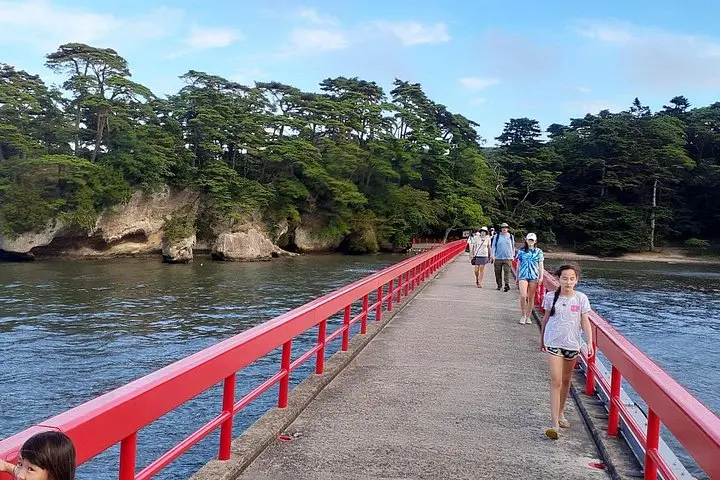
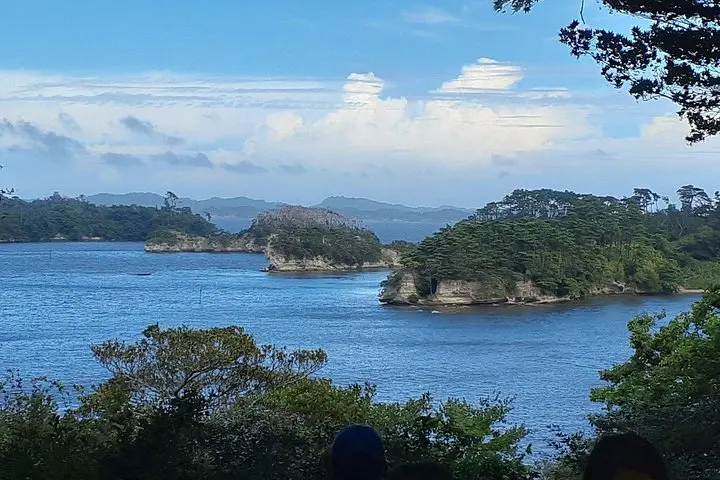
A morning on the Shinkansen dissolves Tokyo’s urban glare into coastal light as the train surges north toward Miyagi. Arriving in Sendai, the landscape loosens into salt-scented air and a cluster of pine‑topped islets that seem to bob like ink blots on the bay. Walkways and vermilion bridges lead visitors onto Godaido, Fukuura and Oshima—small islands where temple bells and wind through pine needles set the pace.
Verified experiences and guided adventures in the surrounding area.
Operated by Japan CoreXperience · Matsushima, Miyagi Prefecture
A morning on the Shinkansen dissolves Tokyo’s urban glare into coastal light as the train surges north toward Miyagi. Arriving in Sendai, the landscape loosens into salt-scented air and a cluster of pine‑topped islets that seem to bob like ink blots on the bay. Walkways and vermilion bridges lead visitors onto Godaido, Fukuura and Oshima—small islands where temple bells and wind through pine needles set the pace.
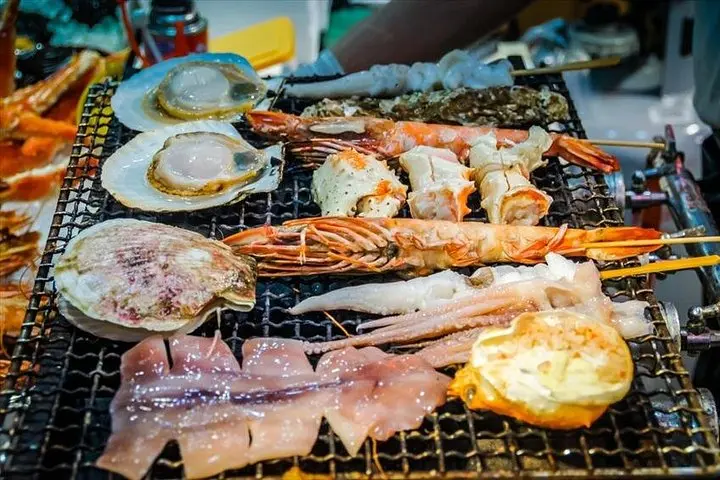
Matsushima is counted among Nihon Sankei, Japan’s Three Most Scenic Views, a designation born from samurai-era aesthetics and immortalized by haiku masters including Basho. The islands are remnant highlands shaped by tectonics and sea-level change; their soil and wind-pruned pines create a distinctive coastal ecology. Culture here mixes Shinto shrines, quiet monastic caves on Oshima, and a working seafood market where local boats land scallops and uni.
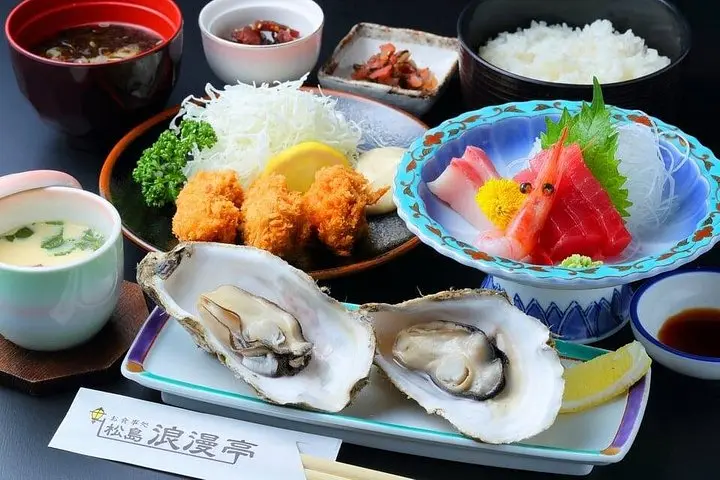
Practically, walkers should expect even, paved boardwalks, short pedestrian bridges and a few stone steps—low elevation gain but many stops. Optional bay cruises offer the best vantage of the roughly 260 pine-clad islets; they can be choppy on windy days so motion-sickness preparation helps. Meals center on fresh seafood at market-side restaurants; inform guides of allergies in advance. Schedule a midweek start to avoid weekend crowds and leave time in Sendai for an izakaya dinner before the return Shinkansen.
Timing, layered clothing, cash for small vendors, and respect for shrine etiquette will make the day smooth. The islands invite slow exploration: let the sea push the pace and the pines decide the quiet moments.
The tour offers an optional local bay cruise for an additional fee on location; the main itinerary walks the islands from shore.
Yes—inform the operator when booking so they can adjust the ticketing and refund the Shinkansen portion if appropriate.
Lunch at a seafood market restaurant and a return dinner are included; notify the operator of allergies or restrictions in advance for alternatives or refunds for the meal portion.
Much of the shorefront and market is accessible, and strollers are allowed, but some island walkways and steps may limit full wheelchair access—contact the operator for specific assistance.
Japan CoreXperience operates guided outdoor trips and adventures with an emphasis on safety, stewardship, and memorable experiences.
A morning on the Shinkansen dissolves Tokyo’s urban glare into coastal light as the train surges north toward Miyagi. Arriving in Sendai, the landscape loosens into salt-scented air and a cluster of pine‑topped islets that seem to bob like ink blots on the bay. Walkways and vermilion bridges lead visitors onto Godaido, Fukuura and Oshima—small islands where temple bells and wind through pine needles set the pace.
A morning on the Shinkansen dissolves Tokyo’s urban glare into coastal light as the train surges north toward Miyagi. Arriving in Sendai, the landscape loosens into salt-scented air and a cluster of pine‑topped islets that seem to bob like ink blots on the bay. Walkways and vermilion bridges lead visitors onto Godaido, Fukuura and Oshima—small islands where temple bells and wind through pine needles set the pace.
Matsushima is counted among Nihon Sankei, Japan’s Three Most Scenic Views, a designation born from samurai-era aesthetics and immortalized by haiku masters including Basho. The islands are remnant highlands shaped by tectonics and sea-level change; their soil and wind-pruned pines create a distinctive coastal ecology. Culture here mixes Shinto shrines, quiet monastic caves on Oshima, and a working seafood market where local boats land scallops and uni.
Practically, walkers should expect even, paved boardwalks, short pedestrian bridges and a few stone steps—low elevation gain but many stops. Optional bay cruises offer the best vantage of the roughly 260 pine-clad islets; they can be choppy on windy days so motion-sickness preparation helps. Meals center on fresh seafood at market-side restaurants; inform guides of allergies in advance. Schedule a midweek start to avoid weekend crowds and leave time in Sendai for an izakaya dinner before the return Shinkansen.
Timing, layered clothing, cash for small vendors, and respect for shrine etiquette will make the day smooth. The islands invite slow exploration: let the sea push the pace and the pines decide the quiet moments.