THE ADVENTURE COLLECTIVE® · Independent discovery and booking for outdoor travel

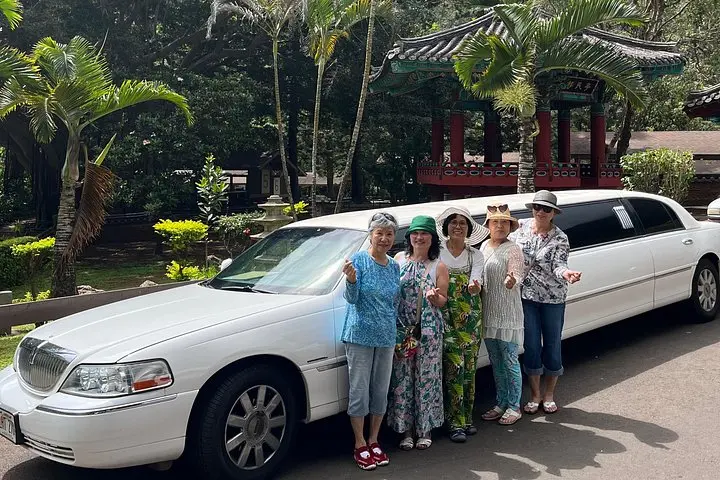
Spend a half-day exploring Maui’s history, from Iao Valley’s stream-etched gorge and plantation-era Waikapū to the forested approach to Honolua Bay and turtle lookouts at Maalaea. This accessible limo tour blends short walks, cultural storytelling, and scenic photo stops.
Spend a half-day exploring Maui’s history, from Iao Valley’s stream-etched gorge and plantation-era Waikapū to the forested approach to Honolua Bay and turtle lookouts at Maalaea. This accessible limo tour blends short walks, cultural storytelling, and scenic photo stops.
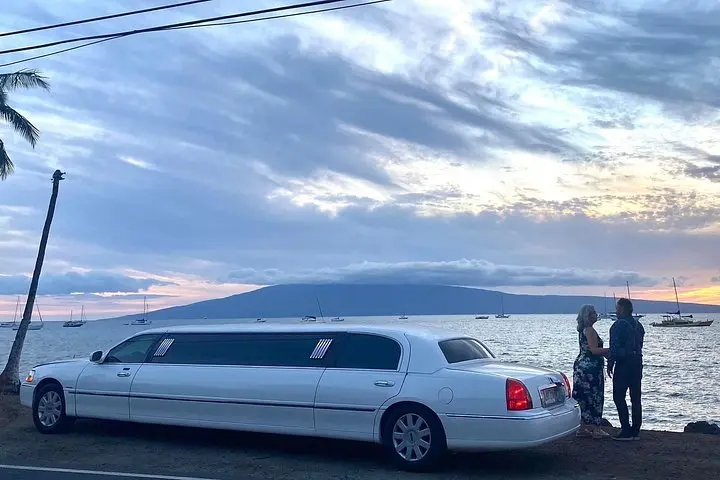
The limo eases out of Lahaina as trade winds push low clouds across the West Maui Mountains. Windows frame an island that reads like a layered history book: plantation fields flattening into sugar-era valleys, a jagged coastline where reefs demand respect, and ridgelines that once marked political boundaries. On the Maui Historical Island Tour, the landscape is both guide and narrator — the vehicle carries you between chapters, while brief walks and lookout points let the island speak.
Verified experiences and guided adventures in the surrounding area.
Operated by Limo Jonas LLC · Lahaina, Hawaii
The limo eases out of Lahaina as trade winds push low clouds across the West Maui Mountains. Windows frame an island that reads like a layered history book: plantation fields flattening into sugar-era valleys, a jagged coastline where reefs demand respect, and ridgelines that once marked political boundaries. On the Maui Historical Island Tour, the landscape is both guide and narrator — the vehicle carries you between chapters, while brief walks and lookout points let the island speak.
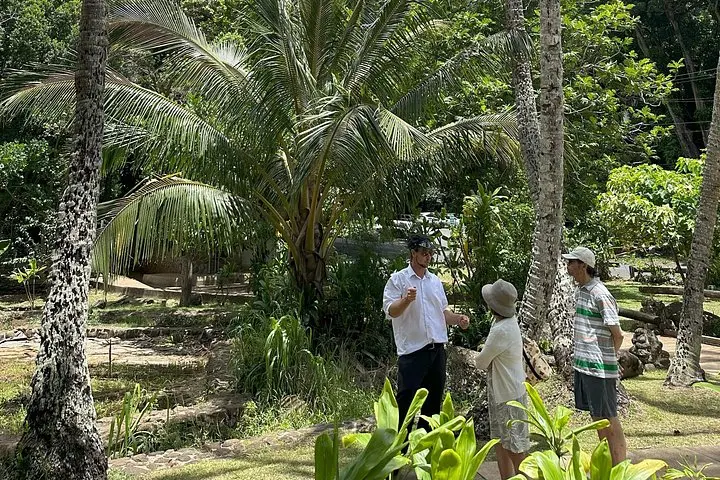
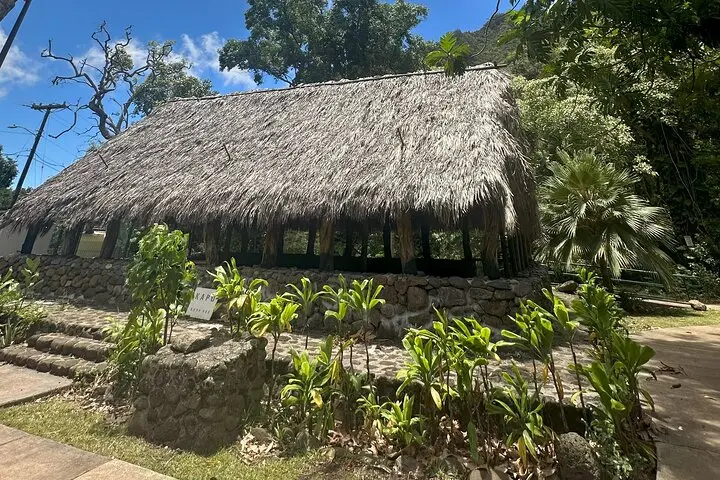
The trip opens at Iao Valley, where the Wailuku Stream carved a deep green gorge and locals fought to keep Maui independent in the 18th century. Nearby, Kepaniwai Park displays buildings and artifacts representing the cultures—Hawaiian, Portuguese, Filipino, Japanese—that shaped island life during the plantation era. At the Maui Tropical Plantation, fragrant coffee and macadamia orchards still follow the contours of Waikapū Valley, reminding visitors that the island’s economy and culture were transformed by agriculture.
Geologically, Maui is a composite of volcanic episodes; West Maui’s older basalt cliffs weather into the steep watershed you’ll pass en route to Honolua Bay. There, an upland forest presses close to the sea; ferns and kiawe trees crowd the trail while the bay’s reefs make the water a mosaic of jade and turquoise. Ironwoods boardwalk provides safe views of surf and cliffs; guides will advise against swimming there because currents and shallow reefs create hazards. The tour often finishes at Maalaea harbor or a calm beach where sightings of honu (green sea turtles) are common — and during winter, the lookout becomes a front-row seat for migrating humpback whales.
Practical details are simple: expect a 4–5 hour outing with multiple short stops and minimal walking—paved paths, boardwalks, and a few uneven surfaces. The operator provides flexible pickup (including cruise port and airport) and can accommodate limited-mobility travelers; pickup is typically 60 minutes before departure. Bring reef-safe sunscreen, sturdy sandals or sneakers, a light rain layer, and a camera with neutral-density filters if you plan long exposure shots of waterfalls. Food is optional at the plantation’s Café O’Lei; snacks and drinks may be offered on board.
Local etiquette matters: never touch or crowd wildlife, and avoid reef-impacting sunscreens. The tour is a practical way to see both the human and natural history of Maui in an accessible half-day—designed for travelers who want context alongside photos and short, meaningful walks.
Yes—pickup is available from many hotels, the airport, and the cruise port; confirm pickup point when booking and expect pickup about 60 minutes before departure.
Lunch is optional at Maui Tropical Plantation’s Cafe O'Lei; the tour may provide snacks and drinks but full meals are pay-as-you-go unless specified.
The stretch limousine can accommodate guests with limited mobility but there are short walks and some steps at viewpoints—notify the operator of special requirements at booking.
Swimming is not advised at Ironwoods and some reef areas; the guide will direct you to a calm beach if the itinerary includes a swim stop and conditions are safe.
Humpback whales visit Maui from roughly December through April; lookout stops at Maalaea are more rewarding during that season.
Keep at least 10 feet (3 meters) away, do not touch or feed the turtle, and avoid entering the water near it—approach quietly for photos from the shore.
Limo Jonas LLC operates guided outdoor trips and adventures with an emphasis on safety, stewardship, and memorable experiences.
The limo eases out of Lahaina as trade winds push low clouds across the West Maui Mountains. Windows frame an island that reads like a layered history book: plantation fields flattening into sugar-era valleys, a jagged coastline where reefs demand respect, and ridgelines that once marked political boundaries. On the Maui Historical Island Tour, the landscape is both guide and narrator — the vehicle carries you between chapters, while brief walks and lookout points let the island speak.
The limo eases out of Lahaina as trade winds push low clouds across the West Maui Mountains. Windows frame an island that reads like a layered history book: plantation fields flattening into sugar-era valleys, a jagged coastline where reefs demand respect, and ridgelines that once marked political boundaries. On the Maui Historical Island Tour, the landscape is both guide and narrator — the vehicle carries you between chapters, while brief walks and lookout points let the island speak.
The trip opens at Iao Valley, where the Wailuku Stream carved a deep green gorge and locals fought to keep Maui independent in the 18th century. Nearby, Kepaniwai Park displays buildings and artifacts representing the cultures—Hawaiian, Portuguese, Filipino, Japanese—that shaped island life during the plantation era. At the Maui Tropical Plantation, fragrant coffee and macadamia orchards still follow the contours of Waikapū Valley, reminding visitors that the island’s economy and culture were transformed by agriculture.
Geologically, Maui is a composite of volcanic episodes; West Maui’s older basalt cliffs weather into the steep watershed you’ll pass en route to Honolua Bay. There, an upland forest presses close to the sea; ferns and kiawe trees crowd the trail while the bay’s reefs make the water a mosaic of jade and turquoise. Ironwoods boardwalk provides safe views of surf and cliffs; guides will advise against swimming there because currents and shallow reefs create hazards. The tour often finishes at Maalaea harbor or a calm beach where sightings of honu (green sea turtles) are common — and during winter, the lookout becomes a front-row seat for migrating humpback whales.
Practical details are simple: expect a 4–5 hour outing with multiple short stops and minimal walking—paved paths, boardwalks, and a few uneven surfaces. The operator provides flexible pickup (including cruise port and airport) and can accommodate limited-mobility travelers; pickup is typically 60 minutes before departure. Bring reef-safe sunscreen, sturdy sandals or sneakers, a light rain layer, and a camera with neutral-density filters if you plan long exposure shots of waterfalls. Food is optional at the plantation’s Café O’Lei; snacks and drinks may be offered on board.
Local etiquette matters: never touch or crowd wildlife, and avoid reef-impacting sunscreens. The tour is a practical way to see both the human and natural history of Maui in an accessible half-day—designed for travelers who want context alongside photos and short, meaningful walks.