THE ADVENTURE COLLECTIVE® · Independent discovery and booking for outdoor travel

Experience Mauna Kea’s dark skies with an astronomer and astro-photographer using a Celestron smart telescope. This two-hour tour combines live deep-sky views, expert narration, and Milky Way portraits—expect cold temps, high elevation, and unforgettable night-sky photos.
Experience Mauna Kea’s dark skies with an astronomer and astro-photographer using a Celestron smart telescope. This two-hour tour combines live deep-sky views, expert narration, and Milky Way portraits—expect cold temps, high elevation, and unforgettable night-sky photos.
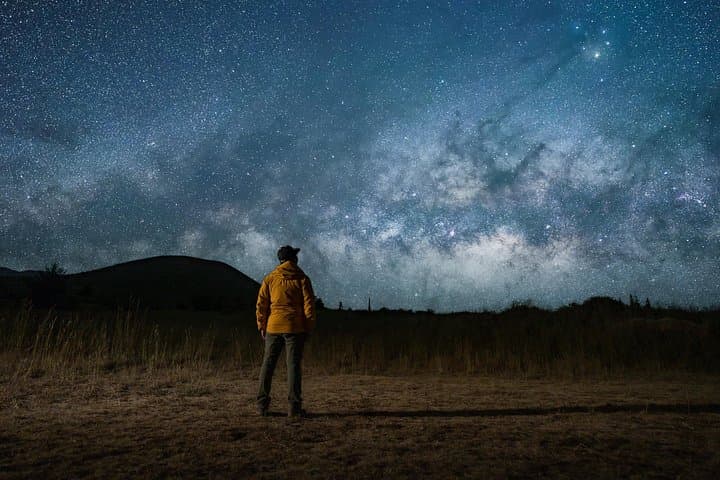
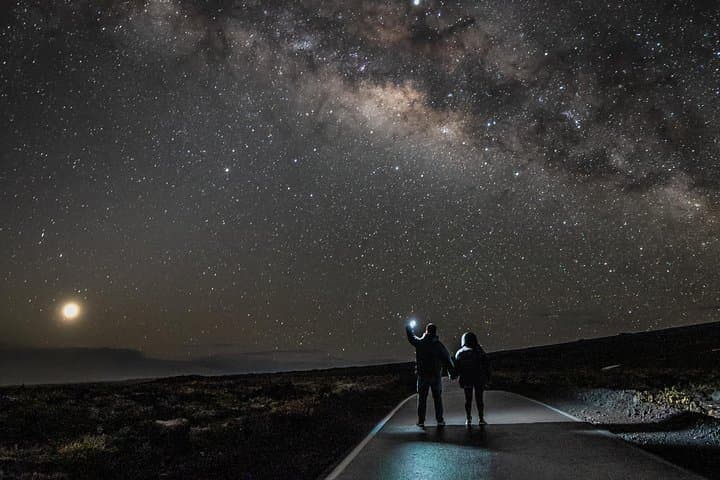
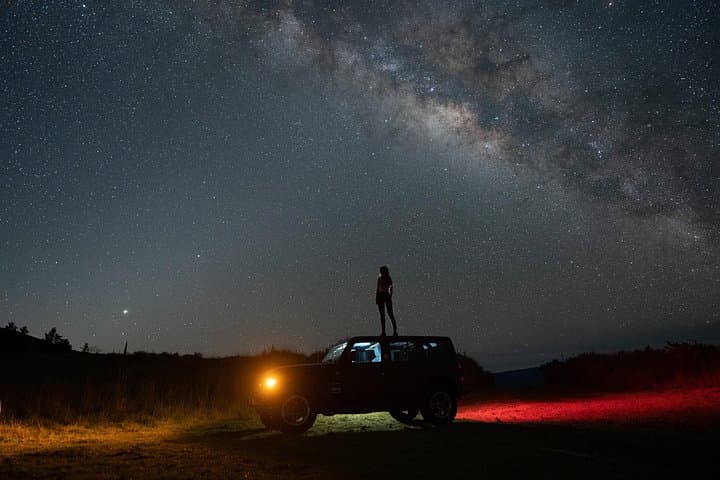
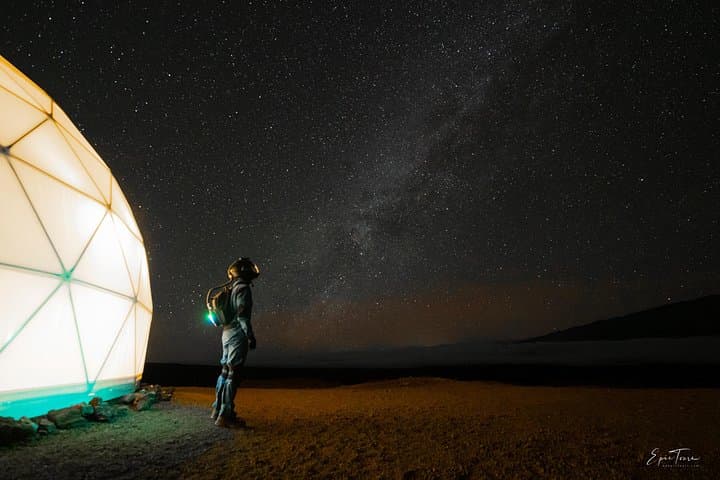
The first breath at 9,000 feet is sharp and cold; the island lights fall away and the sky opens like a velvet map. On a clear night Mauna Kea’s slopes become a stage: constellations march overhead, the Milky Way pours across the dome, and a Celestron Origin smart telescope draws distant nebulae into crisp, on-screen focus while a photographer frames you beneath that light.
Verified experiences and guided adventures in the surrounding area.
Operated by Epic Tours · Hilo, Hawaii
The first breath at 9,000 feet is sharp and cold; the island lights fall away and the sky opens like a velvet map. On a clear night Mauna Kea’s slopes become a stage: constellations march overhead, the Milky Way pours across the dome, and a Celestron Origin smart telescope draws distant nebulae into crisp, on-screen focus while a photographer frames you beneath that light.
Mauna Kea is both a natural observatory and a place of cultural significance—sacred to Native Hawaiians and scientifically prized for its thin, dry air. Geologically it’s the summit of a massive shield volcano capped with cinder cones and ancient lava flows; the sparse alpine shrubland at high elevation amplifies the sense of exposure to the cosmos.
The tour pairs an astronomer-led narration with live telescope views and complimentary medium-resolution portraits under the stars. Guides choose remote dark-sky locations on Mauna Kea or Mauna Loa to avoid crowds and bright moonlight, and they offer a stargazing guarantee if conditions don’t cooperate.
Practical planning is straightforward but important: expect temperatures near or below freezing, bring layers and a windproof parka, and plan on a 2-hour window with about 90 minutes under the sky. A rental car is strongly recommended; meeting points vary and gas is sparse. Altitude affects many visitors—move slowly, hydrate, and avoid heavy exertion before the tour. For photographers, the included medium files are ready to share, with higher-resolution options available. Respect cultural sites, follow guides’ instructions, and you’ll leave with images and a clearer sense of how small, and how connected, the night can feel.
No; the Celestron Origin smart telescope streams images to a tablet or screen so you can see deep-sky objects without using an eyepiece.
Yes; complimentary medium-resolution portraits taken under the Milky Way are included, and higher-resolution upgrades are available for purchase.
Take it easy before the trip, stay hydrated, avoid alcohol, and notify guides of any medical issues—people with serious heart, back, or respiratory conditions are advised to consult a doctor first.
Meeting locations vary across Mauna Kea or Mauna Loa; a rental car is highly recommended since public transport is limited and fuel stations are distant.
Epic Tours operates guided outdoor trips and adventures with an emphasis on safety, stewardship, and memorable experiences.
The first breath at 9,000 feet is sharp and cold; the island lights fall away and the sky opens like a velvet map. On a clear night Mauna Kea’s slopes become a stage: constellations march overhead, the Milky Way pours across the dome, and a Celestron Origin smart telescope draws distant nebulae into crisp, on-screen focus while a photographer frames you beneath that light.
The first breath at 9,000 feet is sharp and cold; the island lights fall away and the sky opens like a velvet map. On a clear night Mauna Kea’s slopes become a stage: constellations march overhead, the Milky Way pours across the dome, and a Celestron Origin smart telescope draws distant nebulae into crisp, on-screen focus while a photographer frames you beneath that light.
Mauna Kea is both a natural observatory and a place of cultural significance—sacred to Native Hawaiians and scientifically prized for its thin, dry air. Geologically it’s the summit of a massive shield volcano capped with cinder cones and ancient lava flows; the sparse alpine shrubland at high elevation amplifies the sense of exposure to the cosmos.
The tour pairs an astronomer-led narration with live telescope views and complimentary medium-resolution portraits under the stars. Guides choose remote dark-sky locations on Mauna Kea or Mauna Loa to avoid crowds and bright moonlight, and they offer a stargazing guarantee if conditions don’t cooperate.
Practical planning is straightforward but important: expect temperatures near or below freezing, bring layers and a windproof parka, and plan on a 2-hour window with about 90 minutes under the sky. A rental car is strongly recommended; meeting points vary and gas is sparse. Altitude affects many visitors—move slowly, hydrate, and avoid heavy exertion before the tour. For photographers, the included medium files are ready to share, with higher-resolution options available. Respect cultural sites, follow guides’ instructions, and you’ll leave with images and a clearer sense of how small, and how connected, the night can feel.