THE ADVENTURE COLLECTIVE® · Independent discovery and booking for outdoor travel

Climb into thin air, watch the sunset above the clouds, then let expert guides and powerful telescopes reveal the Hawaiian night sky on Mauna Kea. This small-group outing pairs a warm picnic and acclimation with a private star show at 13,796 ft.
Climb into thin air, watch the sunset above the clouds, then let expert guides and powerful telescopes reveal the Hawaiian night sky on Mauna Kea. This small-group outing pairs a warm picnic and acclimation with a private star show at 13,796 ft.
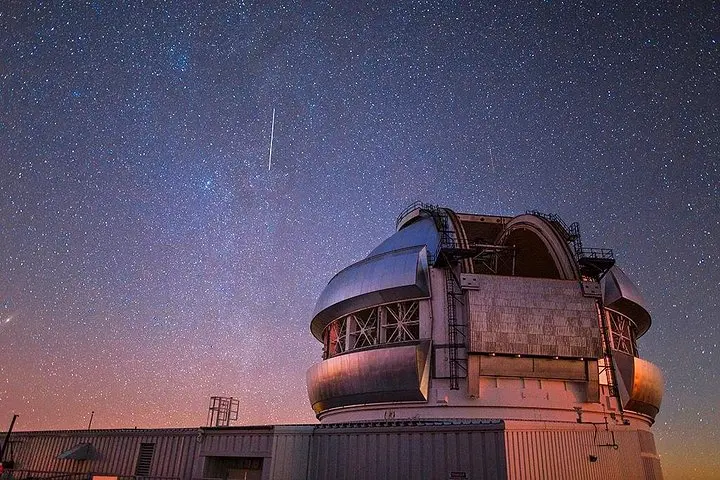
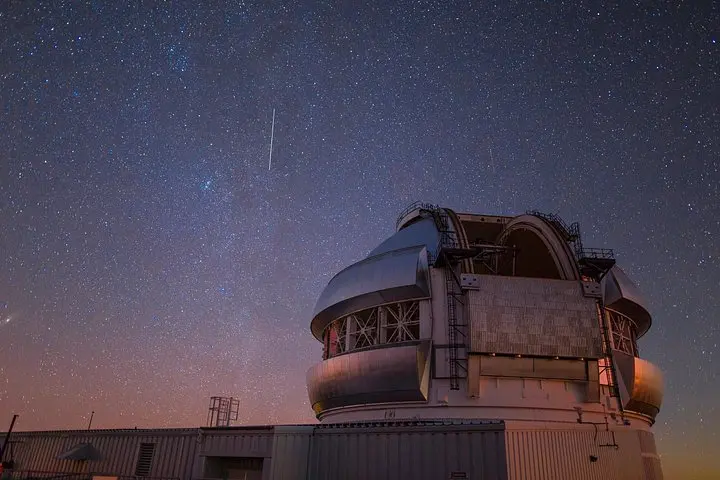
You arrive at the Onizuka Visitor Information Station as the island’s light slips away and a crisp wind begins to bite. The van groans up the 4x4 access road, climbing above the clouds until the world below becomes a patchwork of sunset and Pacific, and the summit of Mauna Kea—13,796 ft—hovers like a silent observatory crown.
Verified experiences and guided adventures in the surrounding area.
Operated by Hawaii Forest &Trail · Kailua-Kona, Hawaii
You arrive at the Onizuka Visitor Information Station as the island’s light slips away and a crisp wind begins to bite. The van groans up the 4x4 access road, climbing above the clouds until the world below becomes a patchwork of sunset and Pacific, and the summit of Mauna Kea—13,796 ft—hovers like a silent observatory crown.
Geology here is blunt: a dormant shield volcano capped by cinder cones and windswept lava, its summit composed of ash and ancient flows. Culturally the mountain is tapu to Native Hawaiians, a place of stories and altars; astronomers arrived later, drawn by thin air and near-perfect seeing, placing cutting-edge telescopes on its rim.
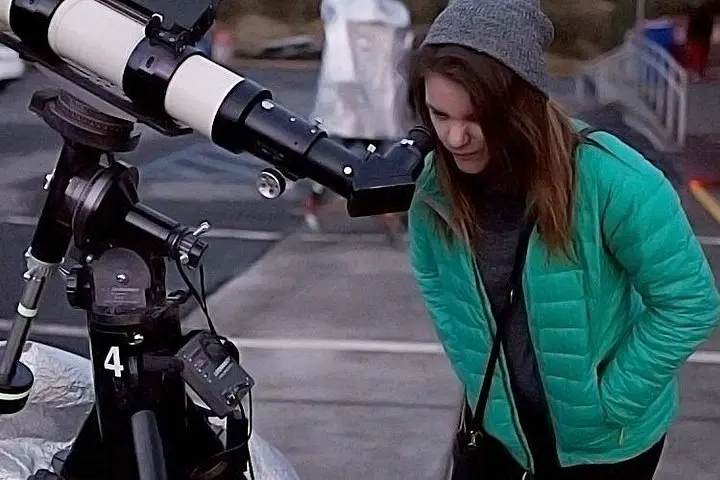
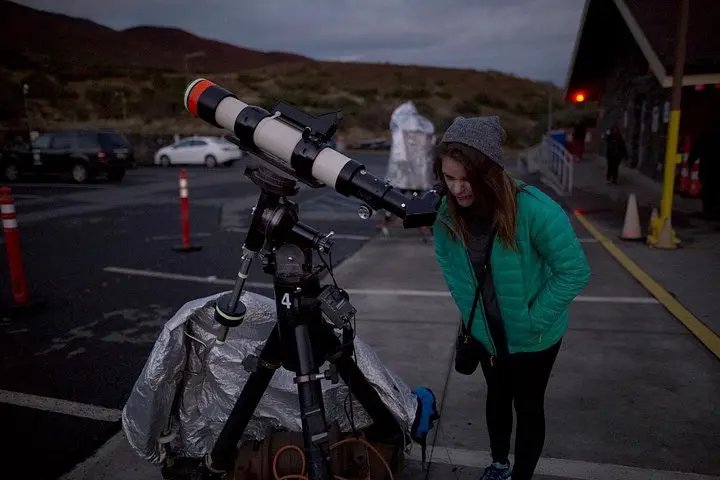
The tour balances spectacle and practicality. After a warm picnic dinner at mid-elevation for acclimation you watch the sun drop beneath a cloud sea, then descend to a slightly lower site for a private star show. Guides set up an 11" Celestron and a Stellina digital scope so you can see Jupiter’s bands, star clusters and faint galaxies; parkas and gloves are provided, along with hot chocolate and cookies.
Expect minimal walking—about 150 yards—on uneven ground. Altitude is the real challenge: lightheadedness and shortness of breath are possible, and guests with heart or respiratory issues are advised not to go. Wear layered clothing, sturdy closed-toe shoes, and carry a refillable water bottle; the guide will refill filtered water.
Practical planning pays off: confirm your exact pickup time (it differs from the advertised start), advise parka size at booking, and avoid diving within 24 hours prior. When the sky opens, the Milky Way feels close enough to touch, and the night pushes you to look up with a little more curiosity.
The summit is 13,796 ft (4,200 m). Most visitors notice lightheadedness or shortness of breath; the tour includes an acclimation stop and limits walking to short distances.
Hooded parkas and gloves are provided, but you should still bring insulated layers and a hat—temperatures can be well below freezing.
Minimum age is 13 years; the operator enforces this and recommends guests be in good health due to altitude.
Do not scuba dive within 24 hours before the tour due to altitude-related decompression risk; air travel on the same day is also discouraged.
Hawaii Forest &Trail operates guided outdoor trips and adventures with an emphasis on safety, stewardship, and memorable experiences.
You arrive at the Onizuka Visitor Information Station as the island’s light slips away and a crisp wind begins to bite. The van groans up the 4x4 access road, climbing above the clouds until the world below becomes a patchwork of sunset and Pacific, and the summit of Mauna Kea—13,796 ft—hovers like a silent observatory crown.
You arrive at the Onizuka Visitor Information Station as the island’s light slips away and a crisp wind begins to bite. The van groans up the 4x4 access road, climbing above the clouds until the world below becomes a patchwork of sunset and Pacific, and the summit of Mauna Kea—13,796 ft—hovers like a silent observatory crown.
Geology here is blunt: a dormant shield volcano capped by cinder cones and windswept lava, its summit composed of ash and ancient flows. Culturally the mountain is tapu to Native Hawaiians, a place of stories and altars; astronomers arrived later, drawn by thin air and near-perfect seeing, placing cutting-edge telescopes on its rim.
The tour balances spectacle and practicality. After a warm picnic dinner at mid-elevation for acclimation you watch the sun drop beneath a cloud sea, then descend to a slightly lower site for a private star show. Guides set up an 11" Celestron and a Stellina digital scope so you can see Jupiter’s bands, star clusters and faint galaxies; parkas and gloves are provided, along with hot chocolate and cookies.
Expect minimal walking—about 150 yards—on uneven ground. Altitude is the real challenge: lightheadedness and shortness of breath are possible, and guests with heart or respiratory issues are advised not to go. Wear layered clothing, sturdy closed-toe shoes, and carry a refillable water bottle; the guide will refill filtered water.
Practical planning pays off: confirm your exact pickup time (it differs from the advertised start), advise parka size at booking, and avoid diving within 24 hours prior. When the sky opens, the Milky Way feels close enough to touch, and the night pushes you to look up with a little more curiosity.