THE ADVENTURE COLLECTIVE® · Independent discovery and booking for outdoor travel

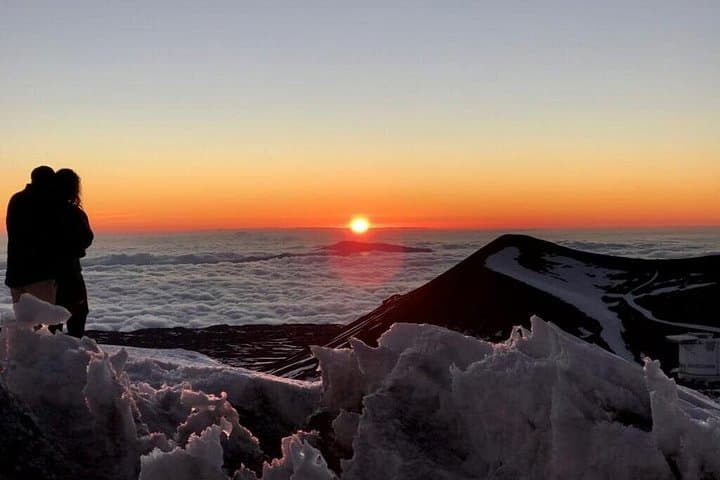
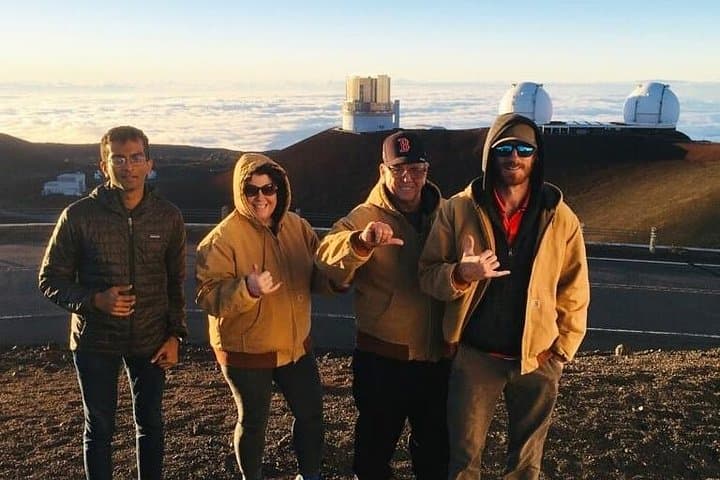
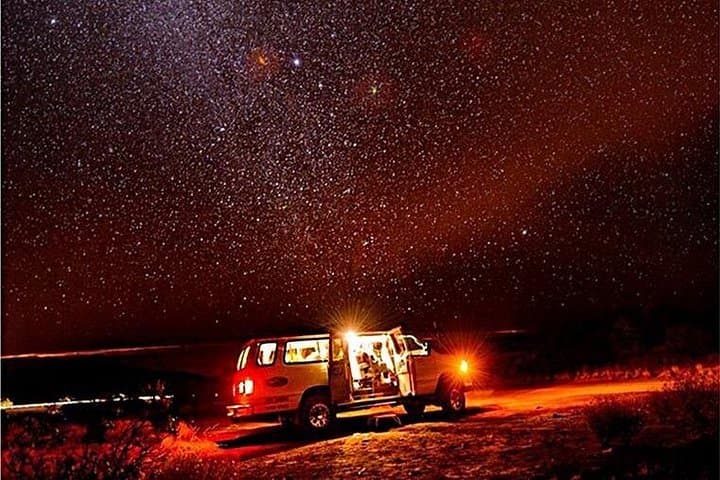
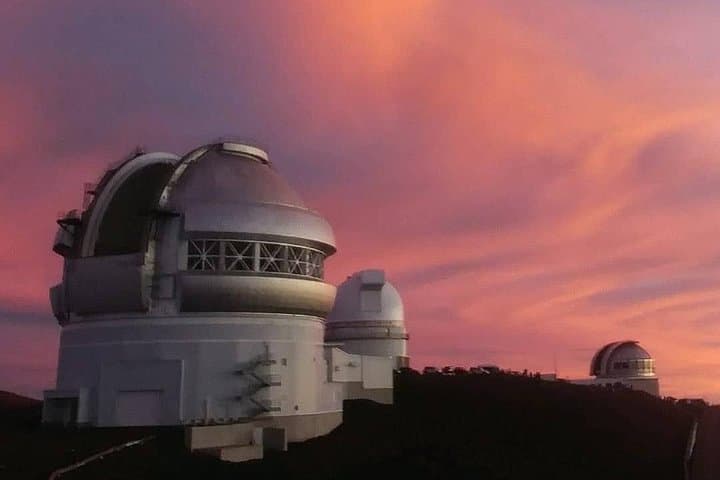
Ascend Mauna Kea from Hilo to the Onizuka Visitor Station, watch sunset above the clouds and stargaze near world-class telescopes. This guided tour blends Hawaiian cultural context with high‑altitude geology and astronomical viewing.
Ascend Mauna Kea from Hilo to the Onizuka Visitor Station, watch sunset above the clouds and stargaze near world-class telescopes. This guided tour blends Hawaiian cultural context with high‑altitude geology and astronomical viewing.
You arrive at the ridge just below tree line, the air thin and cold, the island falling away toward Hawai‘i’s blue horizon. The Onizuka Visitor Information Station at 9,000 feet feels like a threshold—rocky ground underfoot, a wind that dares you to stand still, and guides who speak of kapu and constellations with equal care.
Verified experiences and guided adventures in the surrounding area.
Operated by Arnott's Lodge · Hilo, HI
You arrive at the ridge just below tree line, the air thin and cold, the island falling away toward Hawai‘i’s blue horizon. The Onizuka Visitor Information Station at 9,000 feet feels like a threshold—rocky ground underfoot, a wind that dares you to stand still, and guides who speak of kapu and constellations with equal care.
Mauna Kea is both a geological record and a cultural summit: a 4205‑meter shield volcano capped by glacial-era cinder and aeolian sand, a place sacred to Native Hawaiians and prized by astronomers for its steady, dry skies. On this tour you travel by vehicle from Hilo, pause at Rainbow Falls (Hilo departures), acclimate at Hale Pōhaku, then ascend above the cloud deck to watch the sunset and later stargaze near international telescopes.
Expect short walks on uneven, rocky terrain at high altitude, dramatic light as the island slips into shadow, and a guided introduction to Hawaiian sky lore alongside modern astronomy. Guides provide a laser pointer for orientation; telescopes are not supplied. Because the environment is fragile and sacred, movement around the summit is limited and weather can close access.
Practical notes: bring layered insulation, a windproof jacket, plenty of water, and sturdy footwear. Allow extra time for acclimatization, avoid heavy exertion before the trip, and follow guide instructions—altitude can affect even fit travelers. Tours typically run about seven hours and require a high level of fitness and attention to safety. The pay-off is elemental: sunset above cloud and a sky that pushes the stars into sharp, silent focus.
Temperatures at the summit often drop below freezing after sunset; bring insulated layers and a windproof jacket.
Minimum age is 13; people with heart, respiratory, or recent scuba diving issues should not attend—consult provider for medical suitability.
No; guides use a laser pointer and local knowledge to point out constellations—no telescopes are included in the standard group tour.
Tours may be canceled or turned back for safety; operators often refund or reschedule when the summit is inaccessible due to weather.
Arnott's Lodge operates guided outdoor trips and adventures with an emphasis on safety, stewardship, and memorable experiences.
You arrive at the ridge just below tree line, the air thin and cold, the island falling away toward Hawai‘i’s blue horizon. The Onizuka Visitor Information Station at 9,000 feet feels like a threshold—rocky ground underfoot, a wind that dares you to stand still, and guides who speak of kapu and constellations with equal care.
You arrive at the ridge just below tree line, the air thin and cold, the island falling away toward Hawai‘i’s blue horizon. The Onizuka Visitor Information Station at 9,000 feet feels like a threshold—rocky ground underfoot, a wind that dares you to stand still, and guides who speak of kapu and constellations with equal care.
Mauna Kea is both a geological record and a cultural summit: a 4205‑meter shield volcano capped by glacial-era cinder and aeolian sand, a place sacred to Native Hawaiians and prized by astronomers for its steady, dry skies. On this tour you travel by vehicle from Hilo, pause at Rainbow Falls (Hilo departures), acclimate at Hale Pōhaku, then ascend above the cloud deck to watch the sunset and later stargaze near international telescopes.
Expect short walks on uneven, rocky terrain at high altitude, dramatic light as the island slips into shadow, and a guided introduction to Hawaiian sky lore alongside modern astronomy. Guides provide a laser pointer for orientation; telescopes are not supplied. Because the environment is fragile and sacred, movement around the summit is limited and weather can close access.
Practical notes: bring layered insulation, a windproof jacket, plenty of water, and sturdy footwear. Allow extra time for acclimatization, avoid heavy exertion before the trip, and follow guide instructions—altitude can affect even fit travelers. Tours typically run about seven hours and require a high level of fitness and attention to safety. The pay-off is elemental: sunset above cloud and a sky that pushes the stars into sharp, silent focus.