THE ADVENTURE COLLECTIVE® · Independent discovery and booking for outdoor travel

Climb the Indian Nose at Lake Atitlán for an uncluttered sunrise over a volcanic chain and shimmering caldera. This short, steep hike combines cultural insight with dramatic early-morning views and a local breakfast to finish.
Climb the Indian Nose at Lake Atitlán for an uncluttered sunrise over a volcanic chain and shimmering caldera. This short, steep hike combines cultural insight with dramatic early-morning views and a local breakfast to finish.
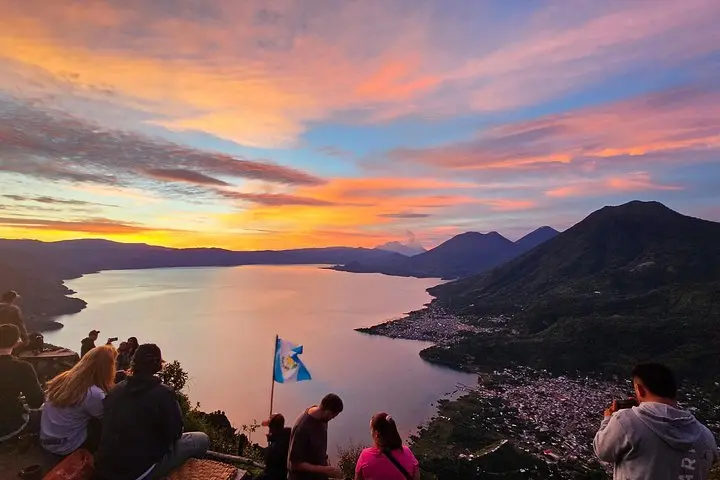
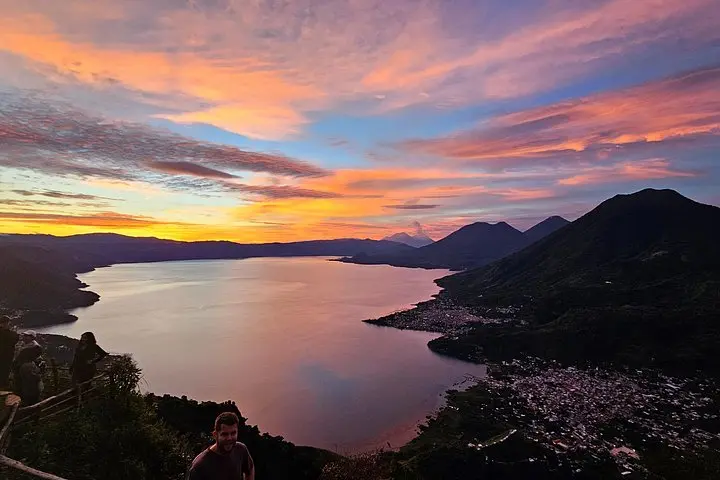
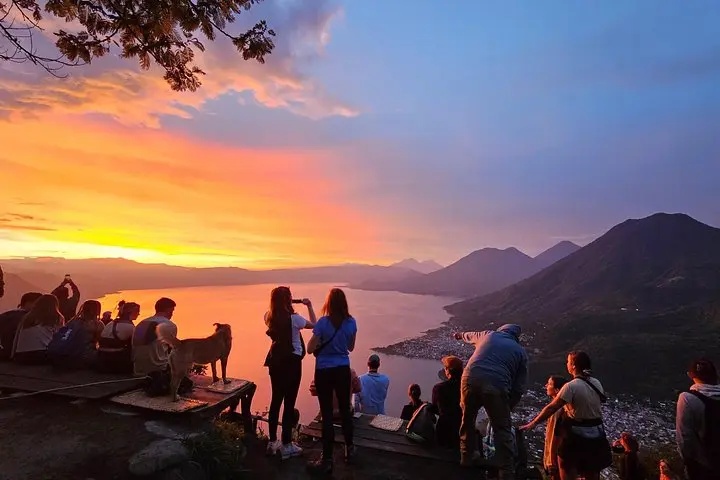
Dawn arrives over Lake Atitlán like a slow exhale: low cloud slips between volcanic peaks and the ridge of the Indian Nose throws a knife-edge silhouette against pink light. Hikers gather in the pre-dawn cool, headlamps bobbing as the trail climbs through scrub and coffee terraces toward a narrow summit with an expansive view of the caldera and the chain of Guatemalan volcanoes.
Verified experiences and guided adventures in the surrounding area.
Operated by Tours / Activities SA ((T&ASA)) · San Pedro La Laguna, Sololá
Dawn arrives over Lake Atitlán like a slow exhale: low cloud slips between volcanic peaks and the ridge of the Indian Nose throws a knife-edge silhouette against pink light. Hikers gather in the pre-dawn cool, headlamps bobbing as the trail climbs through scrub and coffee terraces toward a narrow summit with an expansive view of the caldera and the chain of Guatemalan volcanoes.
Geologically the Indian Nose is part of the rim surrounding the lake’s volcanic basin, formed by a massive collapse millennia ago. The land here holds layers of volcanic ash and basalt, and the trail’s steep finish hints at that uplift and erosion. Culturally the route threads through Kaqchikel Maya villages—San Juan, San Pedro and Santa Clara—where coffee cooperatives and woven textiles reflect generations of subsistence agriculture and lake-based trade.
Expect three distinct trail sections: descending approaches from the meeting point, a flat middle stretch past terraced plots, and a final steep scramble to the viewpoint. The summit rewards early risers with the volcanoes catching first light and the lake’s surface reflecting color as fishermen start their day. Local guides emphasize supporting village cafes afterward where a simple Guatemalan breakfast and strong, organic coffee await.
Practical notes: plan for a 30–40 minute transfer from San Pedro/San Juan and about 35 minutes of steady uphill hiking. Wear sturdy footwear, bring layered clothing for rapidly changing temperatures, a headlamp for pre-dawn walking, and at least 1 liter of water. Trails can be slippery after rain; choose dawn hours for calmer winds and clearer views.
From the meeting point expect about 30–40 minutes of ascent to reach the lookout; total tour time including transfers and breakfast is roughly 3–4 hours.
The hike is short but includes a steep final section; beginners in reasonable health can do it, but those with cardiovascular issues should avoid it.
Guides are included in most organized departures—local guides know the safest route, timing for sunrise, and cultural context for the villages you pass.
Dress in layers: a base layer, light insulating mid-layer, and a wind/rain shell. Bring gloves for very cool mornings and remove layers as the sun rises.
Tours / Activities SA ((T&ASA)) operates guided outdoor trips and adventures with an emphasis on safety, stewardship, and memorable experiences.
Dawn arrives over Lake Atitlán like a slow exhale: low cloud slips between volcanic peaks and the ridge of the Indian Nose throws a knife-edge silhouette against pink light. Hikers gather in the pre-dawn cool, headlamps bobbing as the trail climbs through scrub and coffee terraces toward a narrow summit with an expansive view of the caldera and the chain of Guatemalan volcanoes.
Dawn arrives over Lake Atitlán like a slow exhale: low cloud slips between volcanic peaks and the ridge of the Indian Nose throws a knife-edge silhouette against pink light. Hikers gather in the pre-dawn cool, headlamps bobbing as the trail climbs through scrub and coffee terraces toward a narrow summit with an expansive view of the caldera and the chain of Guatemalan volcanoes.
Geologically the Indian Nose is part of the rim surrounding the lake’s volcanic basin, formed by a massive collapse millennia ago. The land here holds layers of volcanic ash and basalt, and the trail’s steep finish hints at that uplift and erosion. Culturally the route threads through Kaqchikel Maya villages—San Juan, San Pedro and Santa Clara—where coffee cooperatives and woven textiles reflect generations of subsistence agriculture and lake-based trade.
Expect three distinct trail sections: descending approaches from the meeting point, a flat middle stretch past terraced plots, and a final steep scramble to the viewpoint. The summit rewards early risers with the volcanoes catching first light and the lake’s surface reflecting color as fishermen start their day. Local guides emphasize supporting village cafes afterward where a simple Guatemalan breakfast and strong, organic coffee await.
Practical notes: plan for a 30–40 minute transfer from San Pedro/San Juan and about 35 minutes of steady uphill hiking. Wear sturdy footwear, bring layered clothing for rapidly changing temperatures, a headlamp for pre-dawn walking, and at least 1 liter of water. Trails can be slippery after rain; choose dawn hours for calmer winds and clearer views.