THE ADVENTURE COLLECTIVE® · Independent discovery and booking for outdoor travel

Spend a half day on an Antioquia coffee farm learning harvest, processing and cupping techniques while tasting five coffee profiles. This guided, family‑run farm visit includes hotel transport, lunch and a souvenir.
Spend a half day on an Antioquia coffee farm learning harvest, processing and cupping techniques while tasting five coffee profiles. This guided, family‑run farm visit includes hotel transport, lunch and a souvenir.
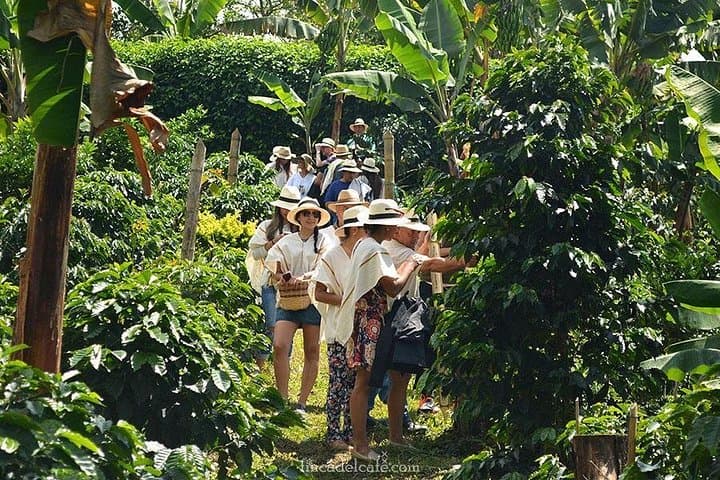
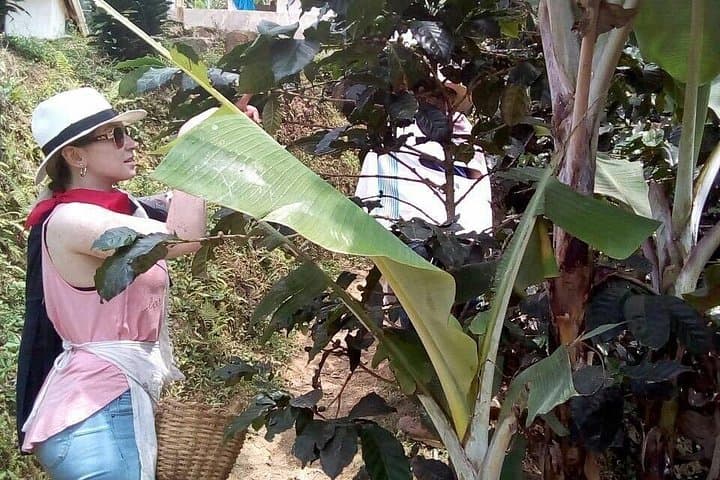
You step off the minivan onto a slope of glossy coffee bushes, cool mountain air brushing past as the valley below fades into blue haze. The Andes here rise in terraces; soil smells of earth and sun, and the guide hands you a ripe cherry to split open — sweet, tart, immediate. That first taste sets the tone for a four‑hour close-up of coffee growing in Antioquia.
Verified experiences and guided adventures in the surrounding area.
Operated by Camantours · Medellín, Antioquia
You step off the minivan onto a slope of glossy coffee bushes, cool mountain air brushing past as the valley below fades into blue haze. The Andes here rise in terraces; soil smells of earth and sun, and the guide hands you a ripe cherry to split open — sweet, tart, immediate. That first taste sets the tone for a four‑hour close-up of coffee growing in Antioquia.
Antioquia’s hills are volcanic in origin, with steep gradients and microclimates that let farmers cultivate small lots of distinct beans. Coffee became a backbone of the region’s culture in the 19th and 20th centuries; many farms remain family run, combining traditional hand‑picking with small‑scale processing. On this tour you’ll walk through the planting rows, watch wet‑and‑dry processing stages, and join a cupping where five roast profiles reveal how altitude, soil and roast change the cup.
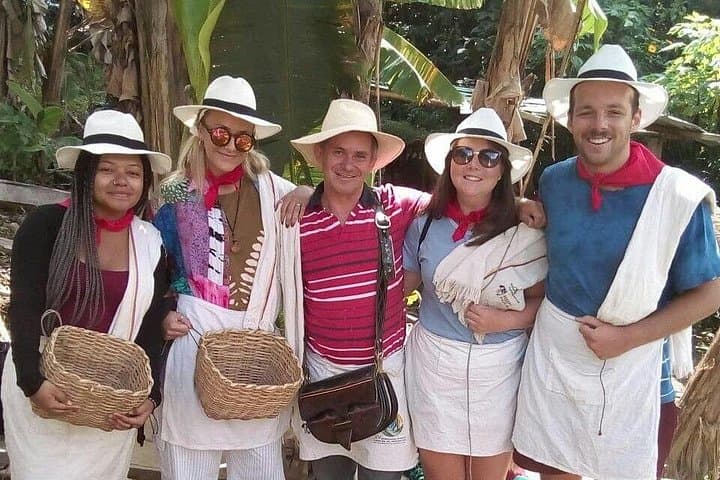
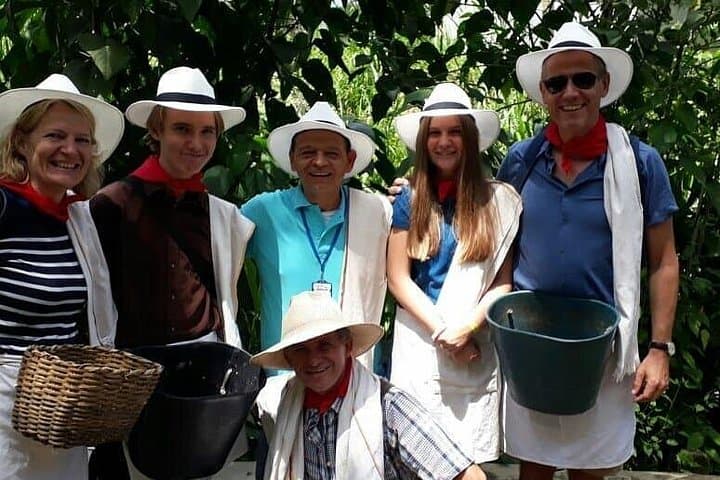
Practical guidance: the tour includes hotel pickup and return, a bilingual guide, lunch, snacks, a souvenir and five coffee tastings. Expect moderate walking on uneven farm roads and short steps; the operator notes wheelchair accessibility for some transport and areas but a moderate amount of walking is involved. Bring sunscreen, a hat, and sturdy shoes; leave valuables at the hotel and carry ID if you’ll pay by card. Midday can be sunny and warm; mornings may be misty after rain. Ask to see the drying patios and the roasting area — those offer the best photos and learning moments. Respect farm operations by staying with the guide and keeping noise low near processing equipment. This day‑long visit is as much a cultural exchange as it is a tasting: you’ll leave with a clearer sense of how a single cup maps back to soil, slope and human care.
The tour runs about four hours and typically includes hotel round‑trip transport, a bilingual guide, snacks, lunch, five coffee tastings, a souvenir and basic insurance.
Children are welcome and the tour is rated easy, but there is a moderate amount of walking; some transport and farm areas are wheelchair accessible—confirm specific needs at booking.
Yes — most farms sell beans and small souvenirs; you can often buy roasted or whole‑bean lots unique to that finca.
Bring a water bottle and plain palate cleansers like water; most tastings are guided and provide water and crackers if needed.
Camantours operates guided outdoor trips and adventures with an emphasis on safety, stewardship, and memorable experiences.
You step off the minivan onto a slope of glossy coffee bushes, cool mountain air brushing past as the valley below fades into blue haze. The Andes here rise in terraces; soil smells of earth and sun, and the guide hands you a ripe cherry to split open — sweet, tart, immediate. That first taste sets the tone for a four‑hour close-up of coffee growing in Antioquia.
You step off the minivan onto a slope of glossy coffee bushes, cool mountain air brushing past as the valley below fades into blue haze. The Andes here rise in terraces; soil smells of earth and sun, and the guide hands you a ripe cherry to split open — sweet, tart, immediate. That first taste sets the tone for a four‑hour close-up of coffee growing in Antioquia.
Antioquia’s hills are volcanic in origin, with steep gradients and microclimates that let farmers cultivate small lots of distinct beans. Coffee became a backbone of the region’s culture in the 19th and 20th centuries; many farms remain family run, combining traditional hand‑picking with small‑scale processing. On this tour you’ll walk through the planting rows, watch wet‑and‑dry processing stages, and join a cupping where five roast profiles reveal how altitude, soil and roast change the cup.
Practical guidance: the tour includes hotel pickup and return, a bilingual guide, lunch, snacks, a souvenir and five coffee tastings. Expect moderate walking on uneven farm roads and short steps; the operator notes wheelchair accessibility for some transport and areas but a moderate amount of walking is involved. Bring sunscreen, a hat, and sturdy shoes; leave valuables at the hotel and carry ID if you’ll pay by card. Midday can be sunny and warm; mornings may be misty after rain. Ask to see the drying patios and the roasting area — those offer the best photos and learning moments. Respect farm operations by staying with the guide and keeping noise low near processing equipment. This day‑long visit is as much a cultural exchange as it is a tasting: you’ll leave with a clearer sense of how a single cup maps back to soil, slope and human care.