THE ADVENTURE COLLECTIVE® · Independent discovery and booking for outdoor travel

Spend a day tracing Medellín’s transformation—from the vivid murals of Comuna 13 to the leafy trails of Parque Arví via metro and cable car. This private full-day tour blends street art, history, and panoramic city views with practical ease.
Spend a day tracing Medellín’s transformation—from the vivid murals of Comuna 13 to the leafy trails of Parque Arví via metro and cable car. This private full-day tour blends street art, history, and panoramic city views with practical ease.
You step into Medellín under a high, blue valley sky and the city unfolds in layers—steep brick neighborhoods stacked against green Andean slopes, cable cars slicing through the air, and a metro line that threads modern plazas with market stalls. On a full-day private tour that knits Comuna 13’s street art with the forested rim of Parque Arví, the rhythm of the city alternates between graffiti alleys and the hush of cloud-shaded trails.
Verified experiences and guided adventures in the surrounding area.
Operated by Medellin Travels · Medellín, Antioquia
You step into Medellín under a high, blue valley sky and the city unfolds in layers—steep brick neighborhoods stacked against green Andean slopes, cable cars slicing through the air, and a metro line that threads modern plazas with market stalls. On a full-day private tour that knits Comuna 13’s street art with the forested rim of Parque Arví, the rhythm of the city alternates between graffiti alleys and the hush of cloud-shaded trails.
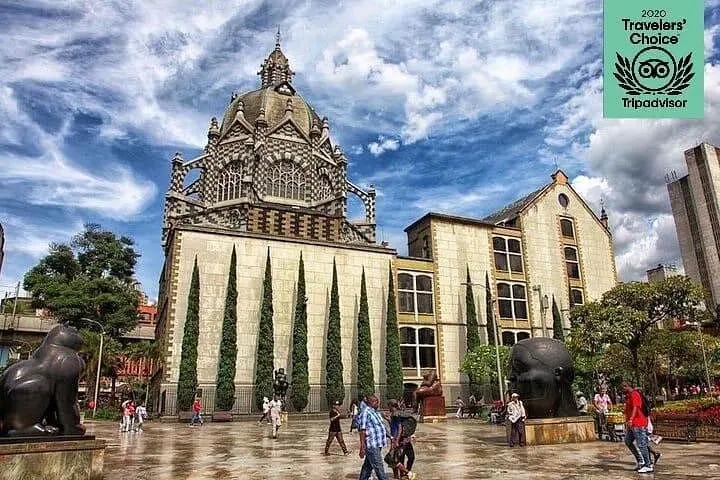
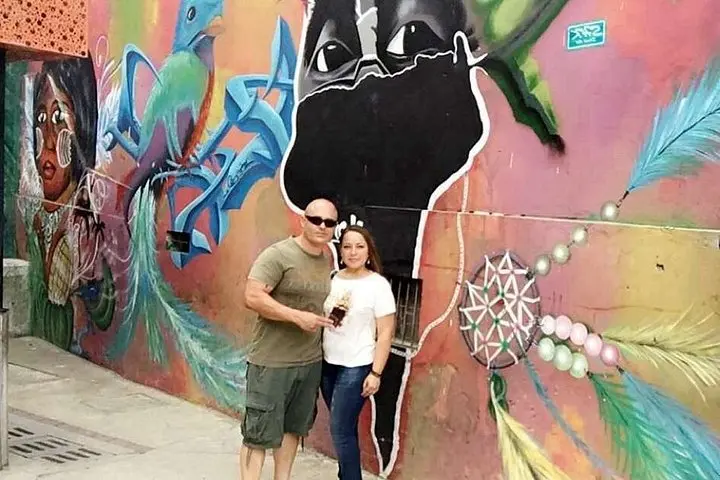
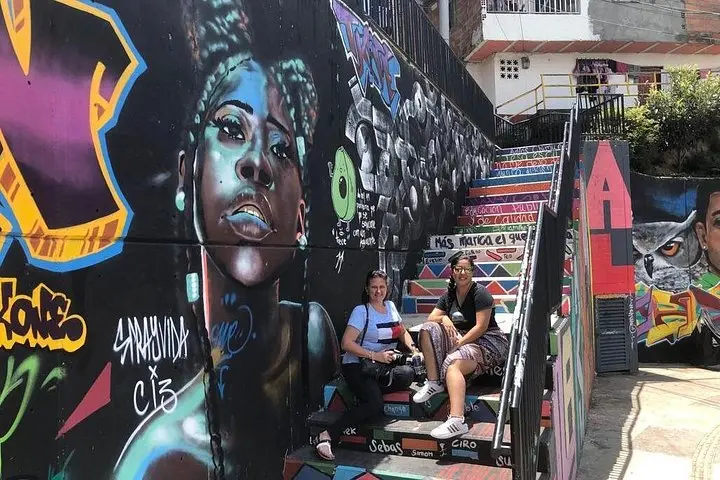
Comuna 13 was once synonymous with violence; today its stairways, escalators and walls hold a different vocabulary. Local guides lead visitors through painted narratives—characters and slogans that record conflict and hope—while explaining how community projects, urban escalators, and social programs reshaped the neighborhood. In Plaza Botero, the oversized bronze sculptures of Fernando Botero anchor downtown; their rounded forms offer an approachable counterpoint to the city’s sharper histories. Nutibara Hill and the Pueblito Paisa give a compact primer on Paisa culture: colonial-style facades, local food, and views that explain why Medellín grew the way it did.
The city’s geology is visible in cross-section: long ridges and narrow valleys carved by tributaries of the Aburrá Valley, with neighborhoods clinging to slopes where microclimates coax different vegetation bands. Riding the Metrocable to Parque Arví is an exercise in perspective—the urban grid loosens, then yields to patches of secondary forest and indigenous plantings. Arví’s trails are short and accessible, offering bird-rich understory, small farmer markets, and a chance to trade city noise for wind moving through palms.
Practicalities matter for a smooth day. The tour typically lasts seven to eight hours with hotel pickup in El Poblado or Laureles; expect a mix of walking, metro and cable-car rides. Dress smart-casual with sturdy walking shoes—you’ll climb stairs and walk uneven streets in Comuna 13 and on compact dirt paths in Arví. Bring a light rain layer: Medellín is tropical and sudden showers are common, especially in the late afternoon during the two rainy seasons. Guides cover all transit fees and offer context on safety, local projects, and cultural etiquette, so ask about the artists and social programs behind the murals.
For photographers, morning light softens the city and cable cars catch the sun, while late afternoon gilds Botero’s bronzes. Your guide can point out quieter viewpoints and local food stalls where you can sample bandeja paisa or arepas. This is a day that balances urban renewal with the Andes’ presence—history, art and ecology moving together so travelers leave with both images and an understanding of Medellín’s recent transformation.
The tour runs approximately 7–8 hours (420–480 minutes) including pickups, metro and cable-car rides.
Yes—this private tour is rated easy and wheelchair-accessible options are available for portions; contact the operator about specific mobility needs.
Yes—metro fares, cable-car rides to Parque Arví and all stated transit fees are included in the tour price.
Guides are typically available in English and Spanish; additional languages (French, German, Portuguese) may be offered subject to availability.
Pickup is offered for hotels in El Poblado and Laureles; confirmation will include your exact pickup time—be ready 10 minutes early in the lobby.
Comuna 13 is a popular guided-tour neighborhood now; traveling with a professional local guide is recommended to access the best murals and contextual history safely.
Medellin Travels operates guided outdoor trips and adventures with an emphasis on safety, stewardship, and memorable experiences.
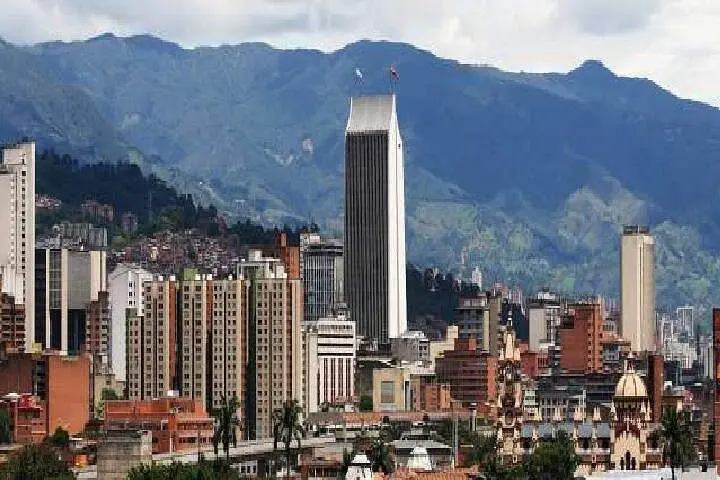
You step into Medellín under a high, blue valley sky and the city unfolds in layers—steep brick neighborhoods stacked against green Andean slopes, cable cars slicing through the air, and a metro line that threads modern plazas with market stalls. On a full-day private tour that knits Comuna 13’s street art with the forested rim of Parque Arví, the rhythm of the city alternates between graffiti alleys and the hush of cloud-shaded trails.
You step into Medellín under a high, blue valley sky and the city unfolds in layers—steep brick neighborhoods stacked against green Andean slopes, cable cars slicing through the air, and a metro line that threads modern plazas with market stalls. On a full-day private tour that knits Comuna 13’s street art with the forested rim of Parque Arví, the rhythm of the city alternates between graffiti alleys and the hush of cloud-shaded trails.
Comuna 13 was once synonymous with violence; today its stairways, escalators and walls hold a different vocabulary. Local guides lead visitors through painted narratives—characters and slogans that record conflict and hope—while explaining how community projects, urban escalators, and social programs reshaped the neighborhood. In Plaza Botero, the oversized bronze sculptures of Fernando Botero anchor downtown; their rounded forms offer an approachable counterpoint to the city’s sharper histories. Nutibara Hill and the Pueblito Paisa give a compact primer on Paisa culture: colonial-style facades, local food, and views that explain why Medellín grew the way it did.
The city’s geology is visible in cross-section: long ridges and narrow valleys carved by tributaries of the Aburrá Valley, with neighborhoods clinging to slopes where microclimates coax different vegetation bands. Riding the Metrocable to Parque Arví is an exercise in perspective—the urban grid loosens, then yields to patches of secondary forest and indigenous plantings. Arví’s trails are short and accessible, offering bird-rich understory, small farmer markets, and a chance to trade city noise for wind moving through palms.
Practicalities matter for a smooth day. The tour typically lasts seven to eight hours with hotel pickup in El Poblado or Laureles; expect a mix of walking, metro and cable-car rides. Dress smart-casual with sturdy walking shoes—you’ll climb stairs and walk uneven streets in Comuna 13 and on compact dirt paths in Arví. Bring a light rain layer: Medellín is tropical and sudden showers are common, especially in the late afternoon during the two rainy seasons. Guides cover all transit fees and offer context on safety, local projects, and cultural etiquette, so ask about the artists and social programs behind the murals.
For photographers, morning light softens the city and cable cars catch the sun, while late afternoon gilds Botero’s bronzes. Your guide can point out quieter viewpoints and local food stalls where you can sample bandeja paisa or arepas. This is a day that balances urban renewal with the Andes’ presence—history, art and ecology moving together so travelers leave with both images and an understanding of Medellín’s recent transformation.