THE ADVENTURE COLLECTIVE® · Independent discovery and booking for outdoor travel

A four-hour guided visit to sites associated with Pablo Escobar that emphasizes facts and context over sensationalism. Expect a mix of short walks and vehicle transfers, local history, and practical guidance for respectful visits.
A four-hour guided visit to sites associated with Pablo Escobar that emphasizes facts and context over sensationalism. Expect a mix of short walks and vehicle transfers, local history, and practical guidance for respectful visits.
You step out of an air-conditioned van into the city's high valley where traffic hums and the Aburrá River threads the landscape like a silver line daring you to look closer. Buildings tilt up the surrounding slopes; graffiti and memorial plaques mark contested histories. This tour moves through specific sites tied to Pablo Escobar — a building site called Mónaco, the Dorado soccer field, the neighborhood where he died, and a grave that draws visitors — with a focus on fact over spectacle.
Verified experiences and guided adventures in the surrounding area.
Operated by Travel Medellín Guide · Medellín, Antioquia
You step out of an air-conditioned van into the city's high valley where traffic hums and the Aburrá River threads the landscape like a silver line daring you to look closer. Buildings tilt up the surrounding slopes; graffiti and memorial plaques mark contested histories. This tour moves through specific sites tied to Pablo Escobar — a building site called Mónaco, the Dorado soccer field, the neighborhood where he died, and a grave that draws visitors — with a focus on fact over spectacle.
Medellín's recent story is legible in concrete and transit: rapid urbanization, cable cars that climb steep barrios, and public art stretching over former conflict zones. Geologically, the city sits in the Aburrá Valley, carved by the river and framed by the Central Andes — the steep hills change the way neighborhoods grow and how people move through them. Culturally, the tour reflects a city that confronted violence and is actively shaping new public spaces, museums, and community projects as alternatives to the past.
Expect a mix of short walks and drives, local context from knowledgeable guides, and moments best approached with respect — this is history that affected living people and neighborhoods still evolving. Practical tips: book a morning slot to avoid heat, bring hydration and a light jacket for changing microclimates in the valley, and be prepared for uneven sidewalks and brief photo stops. Photography is generally allowed but follow local guidance at sensitive sites. The tour is private and accessible by vehicle, making it suitable for visitors who want factual context without sensationalism.
Yes — the tour uses private, air-conditioned transport and local guides familiar with current neighborhoods; follow the guide’s local safety guidance.
No — this experience is designed to present facts and context without Hollywood-style sensationalism; guides emphasize social and historical impacts.
Photography is generally permitted but may be restricted at some sensitive locations; always follow your guide and show respect to residents.
This is a private tour with included transportation; you’ll provide a pickup point at booking and the operator confirms exact pickup details.
Travel Medellín Guide operates guided outdoor trips and adventures with an emphasis on safety, stewardship, and memorable experiences.
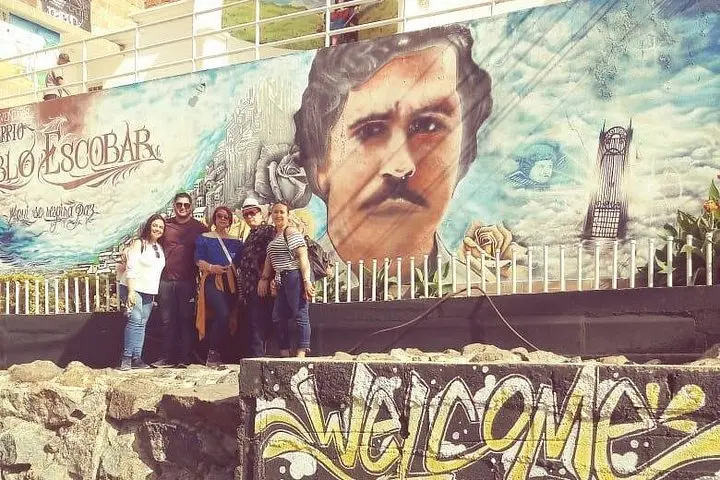
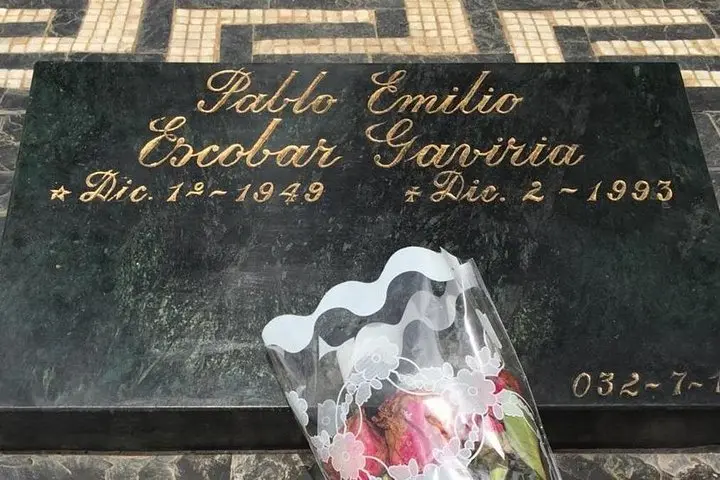
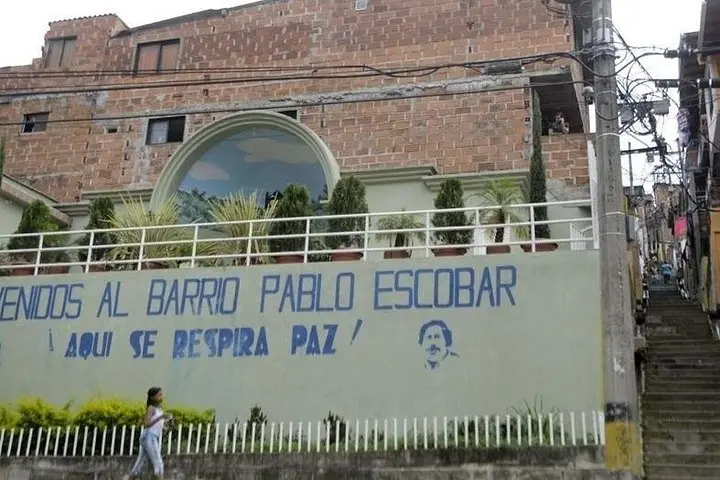
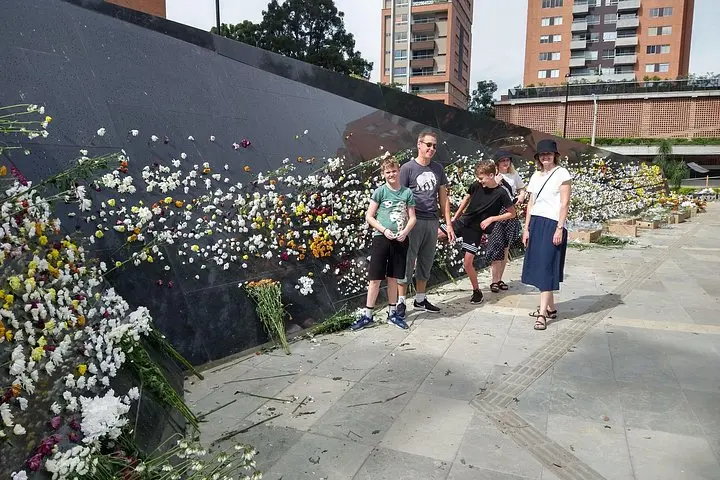
You step out of an air-conditioned van into the city's high valley where traffic hums and the Aburrá River threads the landscape like a silver line daring you to look closer. Buildings tilt up the surrounding slopes; graffiti and memorial plaques mark contested histories. This tour moves through specific sites tied to Pablo Escobar — a building site called Mónaco, the Dorado soccer field, the neighborhood where he died, and a grave that draws visitors — with a focus on fact over spectacle.
You step out of an air-conditioned van into the city's high valley where traffic hums and the Aburrá River threads the landscape like a silver line daring you to look closer. Buildings tilt up the surrounding slopes; graffiti and memorial plaques mark contested histories. This tour moves through specific sites tied to Pablo Escobar — a building site called Mónaco, the Dorado soccer field, the neighborhood where he died, and a grave that draws visitors — with a focus on fact over spectacle.
Medellín's recent story is legible in concrete and transit: rapid urbanization, cable cars that climb steep barrios, and public art stretching over former conflict zones. Geologically, the city sits in the Aburrá Valley, carved by the river and framed by the Central Andes — the steep hills change the way neighborhoods grow and how people move through them. Culturally, the tour reflects a city that confronted violence and is actively shaping new public spaces, museums, and community projects as alternatives to the past.
Expect a mix of short walks and drives, local context from knowledgeable guides, and moments best approached with respect — this is history that affected living people and neighborhoods still evolving. Practical tips: book a morning slot to avoid heat, bring hydration and a light jacket for changing microclimates in the valley, and be prepared for uneven sidewalks and brief photo stops. Photography is generally allowed but follow local guidance at sensitive sites. The tour is private and accessible by vehicle, making it suitable for visitors who want factual context without sensationalism.