THE ADVENTURE COLLECTIVE® · Independent discovery and booking for outdoor travel

Ride the Metrocable out of Medellín’s urban pulse into the cool forest of Arví Park, then return to the city to trace Comuna 13’s dramatic social transformation. This full-day private tour pairs art, nature and local storytelling.
Ride the Metrocable out of Medellín’s urban pulse into the cool forest of Arví Park, then return to the city to trace Comuna 13’s dramatic social transformation. This full-day private tour pairs art, nature and local storytelling.
You step off the metro into Botero Plaza and the morning feels like stepping into a gallery-sized conversation: oversized bronze figures lounge on stone, pigeons claim elbows and tourists frame shots. The city hums behind the sculptures — traffic, vendors calling out arepas — but the day’s spine is clear: a ribbon of cable car that will lift you out of the valley and into cooler air, and later, a steep climb through history in Comuna 13.
Verified experiences and guided adventures in the surrounding area.
Operated by Colombia Travel Operator SAS · Medellín, Antioquia
You step off the metro into Botero Plaza and the morning feels like stepping into a gallery-sized conversation: oversized bronze figures lounge on stone, pigeons claim elbows and tourists frame shots. The city hums behind the sculptures — traffic, vendors calling out arepas — but the day’s spine is clear: a ribbon of cable car that will lift you out of the valley and into cooler air, and later, a steep climb through history in Comuna 13.
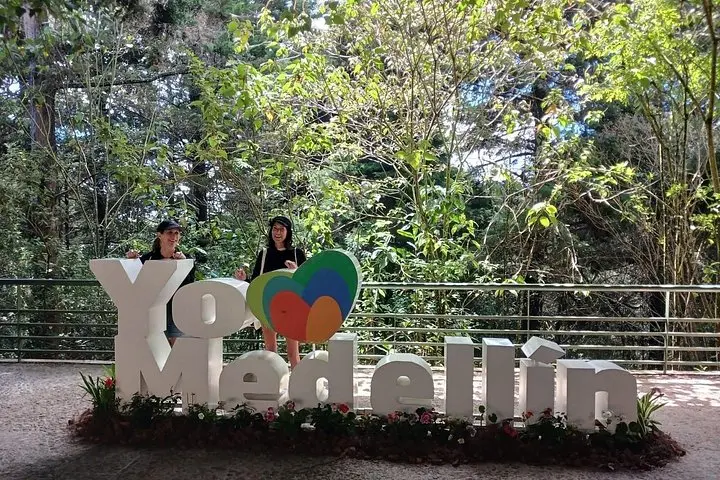
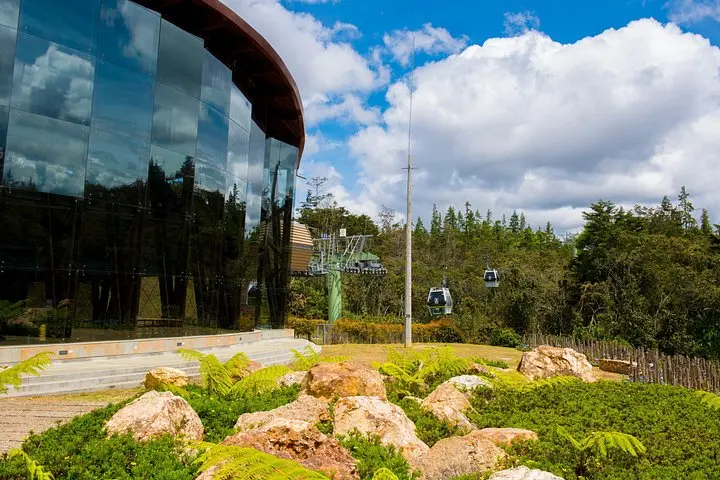
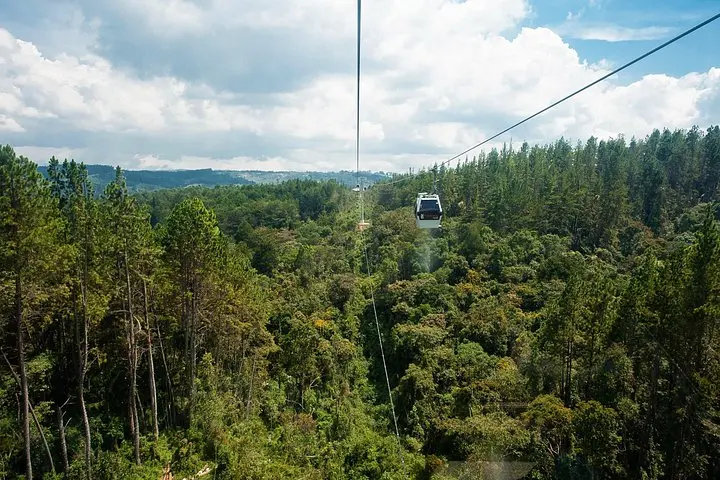
This full-day tour stitches three faces of Medellín together. Botero Square and the adjacent Museum of Antioquia anchor the city’s artistic and civic pulse; they remind you of Fernando Botero’s playful insistence on the physical presence of public art. From the center, the metro carries you to the Metrocable — a transformative system of gondolas built not for tourists but to connect hillside communities. In minutes the city shrinks beneath you; Medellín’s grid gives way to slopes and then to the eucalyptus and oak canopy of Arví Park, an ecological reserve at roughly 2,200 m — about 600–700 m higher than downtown — where the air tastes of pine and farmers’ market spices.
Arví, designated a regional park and archaeological landscape, blends gentle forest trails with cultural trade: the Mercado Arví is where peasant vendors sell marmalade, panela, woven textiles and freshly brewed coffee. Trails here run on dirt and packed stone, often shaded, making for easy to moderate walks of a few kilometers.
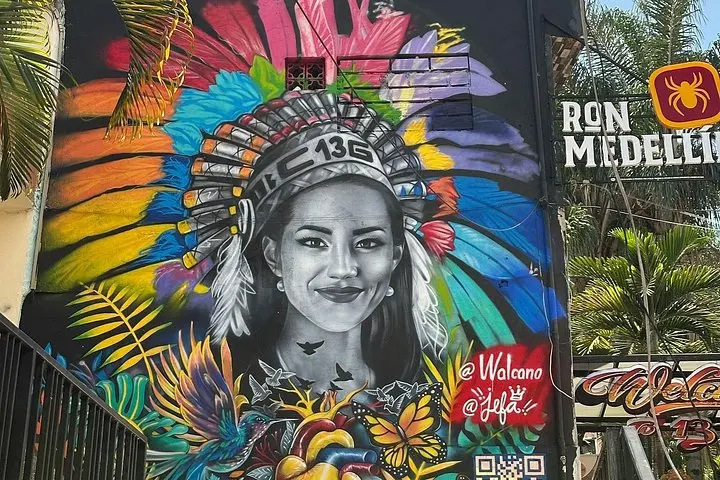
The second narrative of the day unfolds in Comuna 13. Once considered one of Medellín’s most dangerous neighborhoods, it has become a case study in urban reinvention: public escalators that thread steep streets, colorful murals, and community-run tours led by local guides who walk you through the violence, resilience, and creative energy that reshaped the area. The Electric Stairs are both literal infrastructure and a symbol — they change mobility, and therefore opportunity.
Practical guidance: the tour lasts about eight hours with private transport, bilingual guiding, entrance fees and a typical lunch included. Mornings in the city are warm; Arví is noticeably cooler — bring a lightweight insulated layer. Comfortable walking shoes matter: pavement in the city gives way to packed-earth trails and steps in Comuna 13. Hydration is provided, but carry a refillable bottle for convenience.
Timing-wise, take the tour early in your trip to orient yourself to Medellín’s geography and history. Bring small bills for market purchases and modest cash for tips. Be ready to listen: the human stories in Comuna 13 are the most memorable part of the day, raw and direct. This itinerary gives you sculpture, skyline, forest and social context — a compact course in how Medellín moves, recovers and keeps growing.
Pickup is available from hotels in El Poblado and select central locations; confirm your pickup point when booking and expect pickup about 15 minutes before departure.
Yes—infants and small children can use strollers and infant seats are available; note that some areas have stairs and uneven ground.
The tour includes a bilingual guide (English/Spanish) to accommodate most travelers.
Entrance to the cable car and a typical lunch are included; bring small cash if you plan to buy extra items at Mercado Arví.
Comuna 13 is visited daily by guided tours; local guides lead the route and prioritize visitor safety while sharing candid local history.
Expect several short walks—around 2–4 kilometers total—across exhibits, market areas and neighborhood streets; terrain varies from flat pavement to steps.
Colombia Travel Operator SAS operates guided outdoor trips and adventures with an emphasis on safety, stewardship, and memorable experiences.
You step off the metro into Botero Plaza and the morning feels like stepping into a gallery-sized conversation: oversized bronze figures lounge on stone, pigeons claim elbows and tourists frame shots. The city hums behind the sculptures — traffic, vendors calling out arepas — but the day’s spine is clear: a ribbon of cable car that will lift you out of the valley and into cooler air, and later, a steep climb through history in Comuna 13.
You step off the metro into Botero Plaza and the morning feels like stepping into a gallery-sized conversation: oversized bronze figures lounge on stone, pigeons claim elbows and tourists frame shots. The city hums behind the sculptures — traffic, vendors calling out arepas — but the day’s spine is clear: a ribbon of cable car that will lift you out of the valley and into cooler air, and later, a steep climb through history in Comuna 13.
This full-day tour stitches three faces of Medellín together. Botero Square and the adjacent Museum of Antioquia anchor the city’s artistic and civic pulse; they remind you of Fernando Botero’s playful insistence on the physical presence of public art. From the center, the metro carries you to the Metrocable — a transformative system of gondolas built not for tourists but to connect hillside communities. In minutes the city shrinks beneath you; Medellín’s grid gives way to slopes and then to the eucalyptus and oak canopy of Arví Park, an ecological reserve at roughly 2,200 m — about 600–700 m higher than downtown — where the air tastes of pine and farmers’ market spices.
Arví, designated a regional park and archaeological landscape, blends gentle forest trails with cultural trade: the Mercado Arví is where peasant vendors sell marmalade, panela, woven textiles and freshly brewed coffee. Trails here run on dirt and packed stone, often shaded, making for easy to moderate walks of a few kilometers.
The second narrative of the day unfolds in Comuna 13. Once considered one of Medellín’s most dangerous neighborhoods, it has become a case study in urban reinvention: public escalators that thread steep streets, colorful murals, and community-run tours led by local guides who walk you through the violence, resilience, and creative energy that reshaped the area. The Electric Stairs are both literal infrastructure and a symbol — they change mobility, and therefore opportunity.
Practical guidance: the tour lasts about eight hours with private transport, bilingual guiding, entrance fees and a typical lunch included. Mornings in the city are warm; Arví is noticeably cooler — bring a lightweight insulated layer. Comfortable walking shoes matter: pavement in the city gives way to packed-earth trails and steps in Comuna 13. Hydration is provided, but carry a refillable bottle for convenience.
Timing-wise, take the tour early in your trip to orient yourself to Medellín’s geography and history. Bring small bills for market purchases and modest cash for tips. Be ready to listen: the human stories in Comuna 13 are the most memorable part of the day, raw and direct. This itinerary gives you sculpture, skyline, forest and social context — a compact course in how Medellín moves, recovers and keeps growing.