THE ADVENTURE COLLECTIVE® · Independent discovery and booking for outdoor travel

A private full-day tour that traces Medellín’s fraught past and vibrant present, from sites tied to Pablo Escobar to the transformed stairways of Comuna 13. Expect an 8–10 hour itinerary of museums, viewpoints, and neighborhood art with a local guide who balances history and community perspective.
A private full-day tour that traces Medellín’s fraught past and vibrant present, from sites tied to Pablo Escobar to the transformed stairways of Comuna 13. Expect an 8–10 hour itinerary of museums, viewpoints, and neighborhood art with a local guide who balances history and community perspective.
Morning light hits Avenida La Playa and the city exhales: cable cars climb green slopes while street vendors set up coffee and arepas. On this full-day circuit, a private guide threads you from the formal plazas of the city center to the painted stairways of Comuna 13, pausing at sites tied to Pablo Escobar’s rise and the ruins of his prison for context rather than celebration.
Verified experiences and guided adventures in the surrounding area.
Operated by city vibes tours · Medellín, Antioquia
Morning light hits Avenida La Playa and the city exhales: cable cars climb green slopes while street vendors set up coffee and arepas. On this full-day circuit, a private guide threads you from the formal plazas of the city center to the painted stairways of Comuna 13, pausing at sites tied to Pablo Escobar’s rise and the ruins of his prison for context rather than celebration.
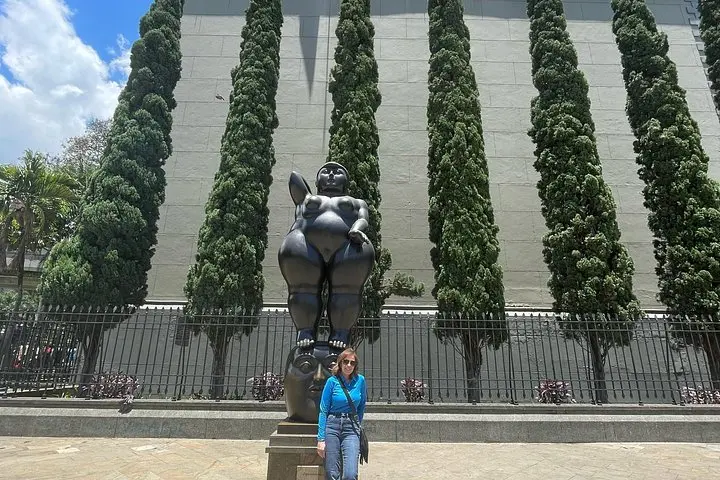
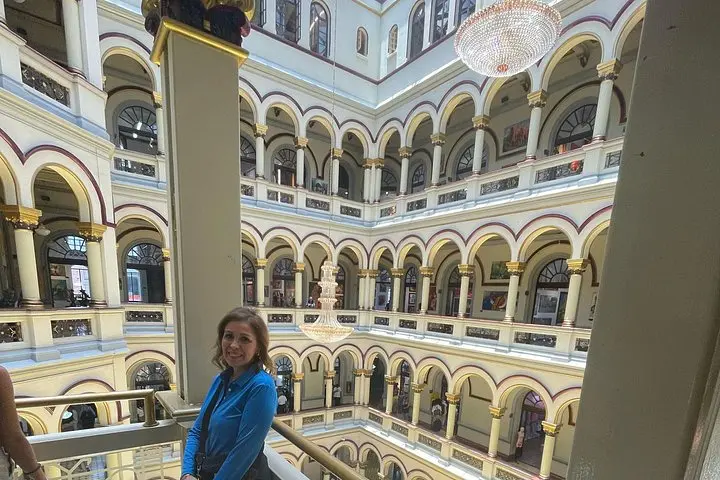
The tour moves through layers of Medellín’s history — from colonial-era civic buildings and Fernando Botero’s bronze sculptures to the 20th-century urban expansion that fueled narcotics-era violence. Geologically, Medellín sits in the Aburrá Valley, hemmed by Andes ridges that make the city feel compact and steep; the cable car and hillside pathways reveal how topography shaped transit and neighborhood development.
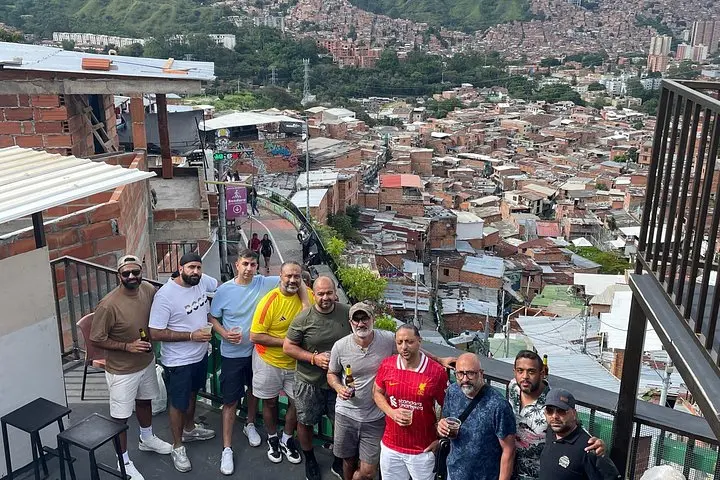
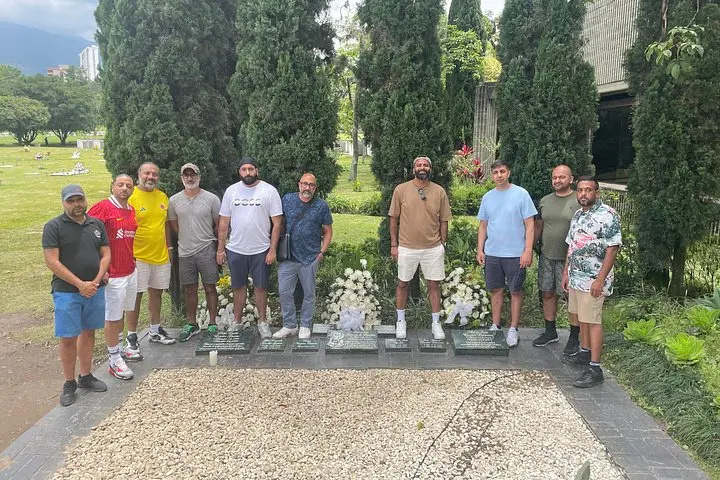
Comuna 13 is presented as a case study of transformation: outdoor escalators, community art projects and resident-led microbusinesses replace the blockades and conflict of decades past. Guides explain contested narratives — graves, former safe houses and the Punta de Máquinas prison hill — with attention to local memory and ongoing social programs.
Practical edge: expect about 8–10 hours of mostly short walks and transfers in an air-conditioned vehicle. Wear good walking shoes for cobbled plazas and steep alleys, bring a refillable water bottle, rain protection for surprise squalls, and local currency for small purchases. Photography is welcome but ask permission in residential areas. Booking a morning start helps avoid afternoon showers and gives better light for city vistas — and choose a guide who emphasizes context, community partners and safety over sensationalism.
Guides frame sites with historical context; the itinerary uses safe, central locations and private transport—stick with your guide and follow local advice.
Most tours offer English-speaking guides, but basic Spanish helps for market interactions and street vendors.
Some sites (like the prison viewpoint and cable car) may include admission; confirm inclusions when booking or bring small cash for tickets.
The tour lists wheelchair-accessible transport and many plazas are flat, but some alleyways and stair areas in Comuna 13 are not fully accessible—check with the operator for tailored arrangements.
city vibes tours operates guided outdoor trips and adventures with an emphasis on safety, stewardship, and memorable experiences.
Morning light hits Avenida La Playa and the city exhales: cable cars climb green slopes while street vendors set up coffee and arepas. On this full-day circuit, a private guide threads you from the formal plazas of the city center to the painted stairways of Comuna 13, pausing at sites tied to Pablo Escobar’s rise and the ruins of his prison for context rather than celebration.
Morning light hits Avenida La Playa and the city exhales: cable cars climb green slopes while street vendors set up coffee and arepas. On this full-day circuit, a private guide threads you from the formal plazas of the city center to the painted stairways of Comuna 13, pausing at sites tied to Pablo Escobar’s rise and the ruins of his prison for context rather than celebration.
The tour moves through layers of Medellín’s history — from colonial-era civic buildings and Fernando Botero’s bronze sculptures to the 20th-century urban expansion that fueled narcotics-era violence. Geologically, Medellín sits in the Aburrá Valley, hemmed by Andes ridges that make the city feel compact and steep; the cable car and hillside pathways reveal how topography shaped transit and neighborhood development.
Comuna 13 is presented as a case study of transformation: outdoor escalators, community art projects and resident-led microbusinesses replace the blockades and conflict of decades past. Guides explain contested narratives — graves, former safe houses and the Punta de Máquinas prison hill — with attention to local memory and ongoing social programs.
Practical edge: expect about 8–10 hours of mostly short walks and transfers in an air-conditioned vehicle. Wear good walking shoes for cobbled plazas and steep alleys, bring a refillable water bottle, rain protection for surprise squalls, and local currency for small purchases. Photography is welcome but ask permission in residential areas. Booking a morning start helps avoid afternoon showers and gives better light for city vistas — and choose a guide who emphasizes context, community partners and safety over sensationalism.