THE ADVENTURE COLLECTIVE® · Independent discovery and booking for outdoor travel

Walk the streets that shaped Medellín’s reinvention — from the Memory Museum and Botero sculptures to the MetroCable lookout and optional Arví Park extension. This private 4–5 hour tour blends history, urban design and panoramic photo ops.
Walk the streets that shaped Medellín’s reinvention — from the Memory Museum and Botero sculptures to the MetroCable lookout and optional Arví Park extension. This private 4–5 hour tour blends history, urban design and panoramic photo ops.
You step out of a compact van into a light that the Aburrá Valley seems to borrow from the mountains: hard, clear, and wide. Below, Medellín unfolds in tight blocks and red-tiled roofs; above, the MetroCable cables hum like a handrail to the sky. Over the next four to five hours the city will reveal itself in layers — street-level plazas and neo‑Gothic façades, a museum that confronts a violent past, and a cable car that climbs through neighborhoods alive with murals and chatter.
Verified experiences and guided adventures in the surrounding area.
Operated by Way Cool Tours · Medellín, Antioquia
You step out of a compact van into a light that the Aburrá Valley seems to borrow from the mountains: hard, clear, and wide. Below, Medellín unfolds in tight blocks and red-tiled roofs; above, the MetroCable cables hum like a handrail to the sky. Over the next four to five hours the city will reveal itself in layers — street-level plazas and neo‑Gothic façades, a museum that confronts a violent past, and a cable car that climbs through neighborhoods alive with murals and chatter.
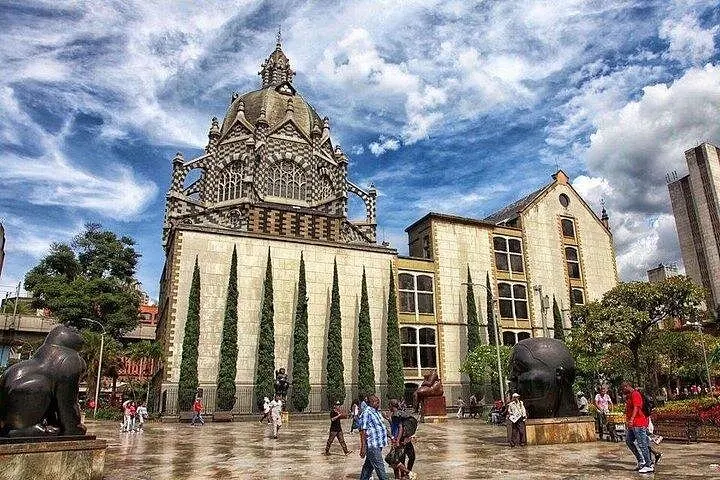
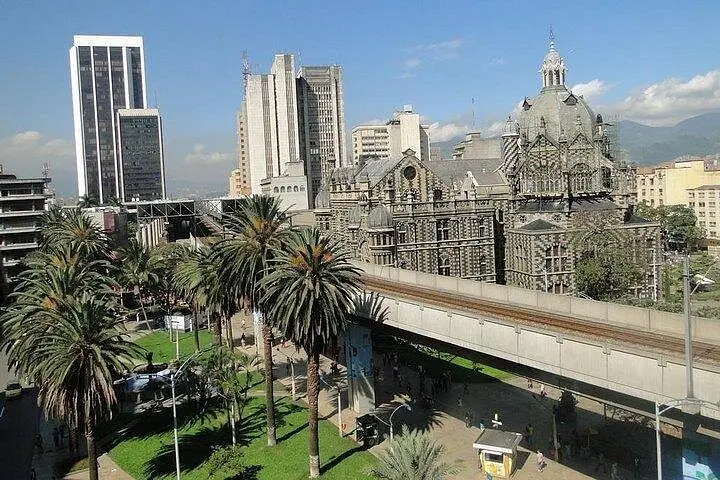
The tour begins in El Poblado, moves through the downtown grid and Plaza Botero — where Fernando Botero’s oversized bronze figures crowd around you like characters from a fable — and pauses at the Rafael Uribe Uribe cultural palace, an early‑20th‑century neo‑Gothic structure that once housed government offices. History here is tactile: colonial churches with worn steps, plazas that served as market and meeting place, and the Memory Museum, a compact but powerful stop that frames Medellín’s recent trauma and its ongoing civic recovery.
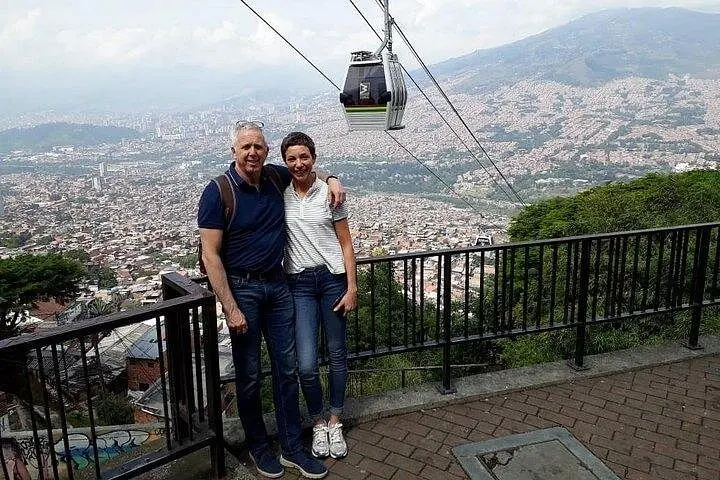
Geologically, Medellín sits in the Aburrá Valley, a long, fluvial trough carved by the Medellín River and hemmed in by steep Andean slopes. The MetroCable was plotted across that topography: a transport solution that doubles as an elevated viewpoint, turning daily commutes into panoramic corridors. Opt for the Arví upgrade and the cable car will cross a patchwork of secondary forest and agricultural terraces before depositing you in a cool, protected ecosystem — a reminder that the city’s edge still bleeds into the mountains.
Culture here moves fast. Downtown’s Parque Berrío and La Veracruz church are neighborhood anchors; on the cable‑car terraces you’ll find vibrant street art and community projects. Guides on this private tour are certified and camera‑savvy — they’ll point you to postcard moments and frame photos so you don’t miss the scale of Botero’s work or the angles of the cityscape.
Practical guidance: the tour is 4–5 hours and includes hotel pickup in Poblado and Laureles. Expect a mix of walking and short vehicle hops; wear comfortable shoes for cobbled streets and a light jacket for the higher lookout points. Bring small local currency for optional entrance fees or snacks, and if you plan the Arví upgrade allow an extra 90–120 minutes. The Metro and MetroCable are safe and efficient; buy single tickets at stations if you’re not riding with provided transport. Mobility access is available, but notify the operator ahead to confirm logistics.
This is a city of contrasts — brutal history and bold renewal, intimate plazas and wide, uphill views. The Medellín Historical City Tour threads those contrasts into a single morning or afternoon, leaving you with context, images, and a sense of how a city reinvented the way it moves.
Yes — pickup and drop‑off are included for hotels in El Poblado and Laureles; confirm your address at booking.
Yes — there’s an upgrade option to continue to Arví Park that adds roughly 90–120 minutes and includes cable car entrance; there is an extra fee.
The tour and transport options indicate wheelchair access, but notify the operator in advance so they can confirm logistics and any route adjustments.
Guides typically operate in English and Spanish; other languages like French, German or Portuguese may be available by request subject to guide availability.
Admission to the Memory Museum and the Metro/Metrocable rides used on the standard itinerary are included as noted in the booking; Arví Park lift to the reserve may be an extra cost if upgraded.
Tipping is discretionary; if you received excellent service, a modest tip is appreciated and customary among tour participants.
Way Cool Tours operates guided outdoor trips and adventures with an emphasis on safety, stewardship, and memorable experiences.
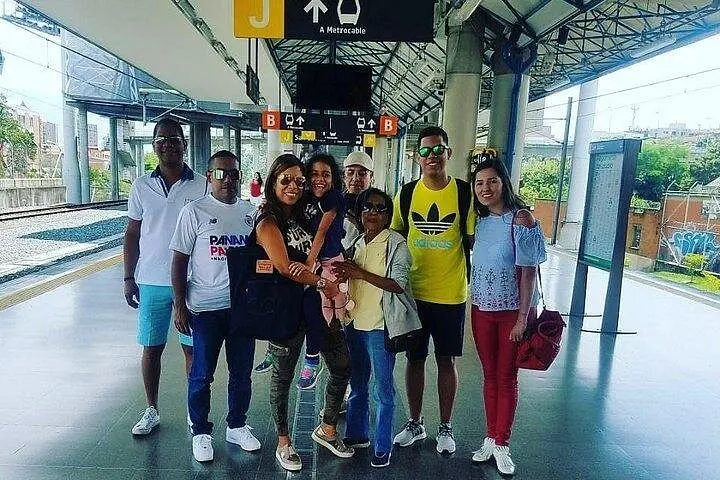
You step out of a compact van into a light that the Aburrá Valley seems to borrow from the mountains: hard, clear, and wide. Below, Medellín unfolds in tight blocks and red-tiled roofs; above, the MetroCable cables hum like a handrail to the sky. Over the next four to five hours the city will reveal itself in layers — street-level plazas and neo‑Gothic façades, a museum that confronts a violent past, and a cable car that climbs through neighborhoods alive with murals and chatter.
You step out of a compact van into a light that the Aburrá Valley seems to borrow from the mountains: hard, clear, and wide. Below, Medellín unfolds in tight blocks and red-tiled roofs; above, the MetroCable cables hum like a handrail to the sky. Over the next four to five hours the city will reveal itself in layers — street-level plazas and neo‑Gothic façades, a museum that confronts a violent past, and a cable car that climbs through neighborhoods alive with murals and chatter.
The tour begins in El Poblado, moves through the downtown grid and Plaza Botero — where Fernando Botero’s oversized bronze figures crowd around you like characters from a fable — and pauses at the Rafael Uribe Uribe cultural palace, an early‑20th‑century neo‑Gothic structure that once housed government offices. History here is tactile: colonial churches with worn steps, plazas that served as market and meeting place, and the Memory Museum, a compact but powerful stop that frames Medellín’s recent trauma and its ongoing civic recovery.
Geologically, Medellín sits in the Aburrá Valley, a long, fluvial trough carved by the Medellín River and hemmed in by steep Andean slopes. The MetroCable was plotted across that topography: a transport solution that doubles as an elevated viewpoint, turning daily commutes into panoramic corridors. Opt for the Arví upgrade and the cable car will cross a patchwork of secondary forest and agricultural terraces before depositing you in a cool, protected ecosystem — a reminder that the city’s edge still bleeds into the mountains.
Culture here moves fast. Downtown’s Parque Berrío and La Veracruz church are neighborhood anchors; on the cable‑car terraces you’ll find vibrant street art and community projects. Guides on this private tour are certified and camera‑savvy — they’ll point you to postcard moments and frame photos so you don’t miss the scale of Botero’s work or the angles of the cityscape.
Practical guidance: the tour is 4–5 hours and includes hotel pickup in Poblado and Laureles. Expect a mix of walking and short vehicle hops; wear comfortable shoes for cobbled streets and a light jacket for the higher lookout points. Bring small local currency for optional entrance fees or snacks, and if you plan the Arví upgrade allow an extra 90–120 minutes. The Metro and MetroCable are safe and efficient; buy single tickets at stations if you’re not riding with provided transport. Mobility access is available, but notify the operator ahead to confirm logistics.
This is a city of contrasts — brutal history and bold renewal, intimate plazas and wide, uphill views. The Medellín Historical City Tour threads those contrasts into a single morning or afternoon, leaving you with context, images, and a sense of how a city reinvented the way it moves.