THE ADVENTURE COLLECTIVE® · Independent discovery and booking for outdoor travel

A private four-hour drive through Medellín’s fraught recent history, visiting memorial sites, graves, and neighborhoods shaped by the cartel era. This guided tour focuses on facts, context, and the city’s ongoing recovery.
A private four-hour drive through Medellín’s fraught recent history, visiting memorial sites, graves, and neighborhoods shaped by the cartel era. This guided tour focuses on facts, context, and the city’s ongoing recovery.
The van slides up the slopes of the Aburrá Valley and the city pulls into view: concrete terraces and green ridges, busy plazas and the hush of memorial gardens. On this four‑hour private tour, the guide sets a deliberate pace—driving between sites and pausing where memory demands attention—so travelers move through facts, places, and the human cost behind headlines.
Verified experiences and guided adventures in the surrounding area.
Operated by Tripit Medellin · Medellín, Antioquia
The van slides up the slopes of the Aburrá Valley and the city pulls into view: concrete terraces and green ridges, busy plazas and the hush of memorial gardens. On this four‑hour private tour, the guide sets a deliberate pace—driving between sites and pausing where memory demands attention—so travelers move through facts, places, and the human cost behind headlines.
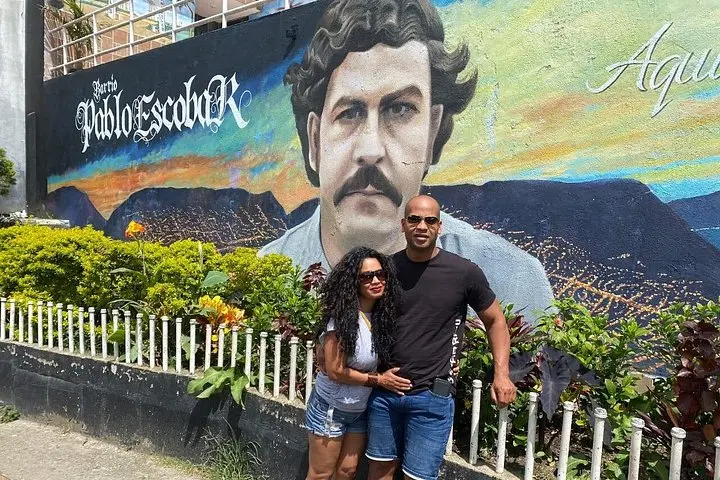
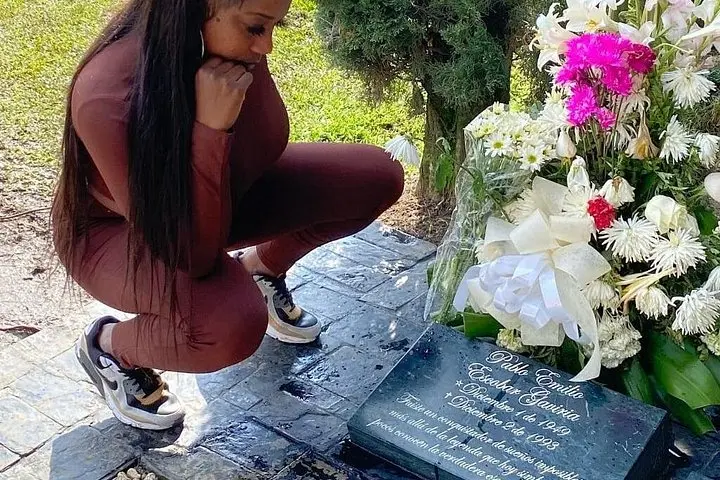
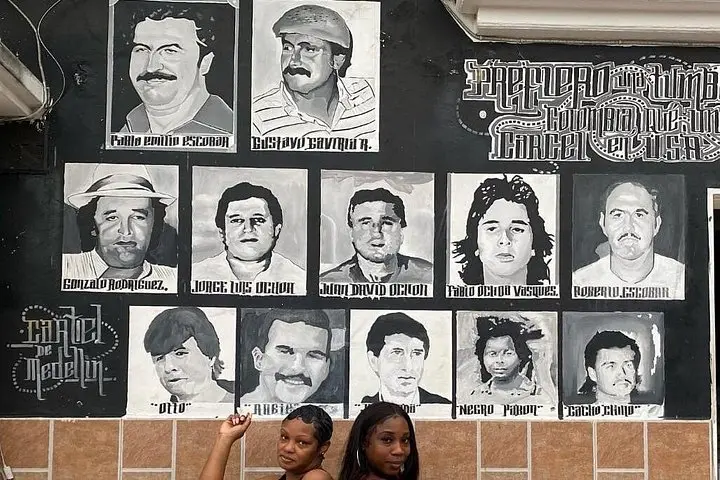
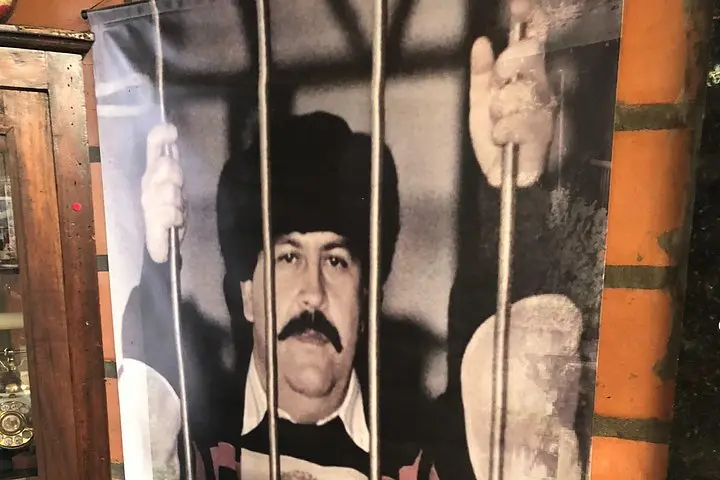
Medellín’s recent history is inseparable from the rise and fall of the Medellín cartel in the late 20th century. Stops include a former stronghold now converted into a memorial park, a local cemetery where key figures are buried, a housing project once funded by illicit money, and the hillside where the final manhunt ended. The city itself—nested in the Andes’ Aburrá Valley and famed for springlike weather—frames those sites with steep streets, scrubby hills, and neighborhoods that still carry contested stories.
Cultural context matters: guides explain how patronage politics, poverty alleviation projects, and violent competition shaped neighborhoods, and how communities have chosen remembrance over glorification. Visitors should expect mostly short walks, documentary commentary, and time for photos and quiet reflection.
Practicalities are straightforward: the tour is private, includes transport and bottled water, and involves roughly 30 minutes driving between stops. Bring ID, a waterproof layer for sudden showers, and respect signs and mourners at memorials. Photography is usually allowed, but ask before shooting people or family plots. For travelers interested in Medellín’s transformation, this tour pairs historical clarity with the city’s modern resilience.
The tour runs on public roads during daylight with a private driver and guide; follow guide instructions and avoid displaying valuables to minimize risks.
Yes—the itinerary includes a stop at the cemetery site referenced by the operator; visitors should be respectful and follow local rules at gravesites.
No—most movement is by vehicle with short walks at each stop; good mobility helps but the tour is suitable for most people.
Photography is generally allowed at public sites, but ask permission before photographing people or private family areas and respect signage.
Tripit Medellin operates guided outdoor trips and adventures with an emphasis on safety, stewardship, and memorable experiences.
The van slides up the slopes of the Aburrá Valley and the city pulls into view: concrete terraces and green ridges, busy plazas and the hush of memorial gardens. On this four‑hour private tour, the guide sets a deliberate pace—driving between sites and pausing where memory demands attention—so travelers move through facts, places, and the human cost behind headlines.
The van slides up the slopes of the Aburrá Valley and the city pulls into view: concrete terraces and green ridges, busy plazas and the hush of memorial gardens. On this four‑hour private tour, the guide sets a deliberate pace—driving between sites and pausing where memory demands attention—so travelers move through facts, places, and the human cost behind headlines.
Medellín’s recent history is inseparable from the rise and fall of the Medellín cartel in the late 20th century. Stops include a former stronghold now converted into a memorial park, a local cemetery where key figures are buried, a housing project once funded by illicit money, and the hillside where the final manhunt ended. The city itself—nested in the Andes’ Aburrá Valley and famed for springlike weather—frames those sites with steep streets, scrubby hills, and neighborhoods that still carry contested stories.
Cultural context matters: guides explain how patronage politics, poverty alleviation projects, and violent competition shaped neighborhoods, and how communities have chosen remembrance over glorification. Visitors should expect mostly short walks, documentary commentary, and time for photos and quiet reflection.
Practicalities are straightforward: the tour is private, includes transport and bottled water, and involves roughly 30 minutes driving between stops. Bring ID, a waterproof layer for sudden showers, and respect signs and mourners at memorials. Photography is usually allowed, but ask before shooting people or family plots. For travelers interested in Medellín’s transformation, this tour pairs historical clarity with the city’s modern resilience.