THE ADVENTURE COLLECTIVE® · Independent discovery and booking for outdoor travel

Walk the film-famous ramparts of Rocca Calascio, explore Santo Stefano di Sessanio’s stone alleys and sit down to a regional lunch of saffron, lentils and Canestrato cheese. This private day tour blends short uphill hiking with cultural stops and local flavors.
Walk the film-famous ramparts of Rocca Calascio, explore Santo Stefano di Sessanio’s stone alleys and sit down to a regional lunch of saffron, lentils and Canestrato cheese. This private day tour blends short uphill hiking with cultural stops and local flavors.
You climb from the village through a narrow stone lane, the air thinning as the landscape opens to the squat silhouette of Rocca Calascio on a grassy ridge. Wind pushes against the fortress’s low walls; the approach bridge and the little Church of Santa Maria della Pietà mark the last human steps before the high country stretches away.
Verified experiences and guided adventures in the surrounding area.
Operated by Gustabruzzo · Santo Stefano di Sessanio, Abruzzo
You climb from the village through a narrow stone lane, the air thinning as the landscape opens to the squat silhouette of Rocca Calascio on a grassy ridge. Wind pushes against the fortress’s low walls; the approach bridge and the little Church of Santa Maria della Pietà mark the last human steps before the high country stretches away.
Rocca Calascio began life as a medieval watchpost, its compact keep and ramparts shaped by centuries of shepherding and strategic need. The castle’s scrubby limestone slopes are part of the Gran Sasso e Monti della Laga chain—rock formed by ancient seabed uplift and carved by glacial and weather action—giving the site its raw, exposed character. Nearby Santo Stefano di Sessanio, a compact medieval borgo, preserves narrow alleys, a recently restored tower, and artisans who work with local saffron, lentils and Canestrato cheese.
Expect 4–6 hours on this private walking tour: village stroll, church visit, a 20–40 minute uphill approach to the castle on stony, sometimes exposed paths, and a leisurely traditional lunch featuring Santo Stefano lentils, L’Aquila saffron and local cheeses.
Practical edge: wear sturdy shoes with good grip for cobbles and loose scree, carry at least 1–1.5 liters of water, and bring a wind layer—weather at ~1,200–1,460 m can change quickly. Midday sun is strong in summer; mornings and late afternoons offer cooler light and better photos. Support local producers by buying saffron or lentils from village shops and stay on paths to protect fragile masonry and high-mountain flora.
The uphill approach is moderate: mostly short stretches of uneven, stony path rather than technical climbing. Expect steady walking for 20–40 minutes from the village; a moderate fitness level is recommended.
Yes—this private tour includes admission to the fortress and a traditional Abruzzo lunch featuring local products like saffron, lentils and cheese, as described in the itinerary.
Yes—Santo Stefano has small shops and producers selling saffron D.O.P., lentils from Santo Stefano and artisanal cheeses; small purchases are encouraged to support the community.
Children in good health who can manage uphill walking are usually fine; it’s not recommended for those with serious back, heart or mobility concerns due to uneven paths and short exposed climbs.
Gustabruzzo operates guided outdoor trips and adventures with an emphasis on safety, stewardship, and memorable experiences.
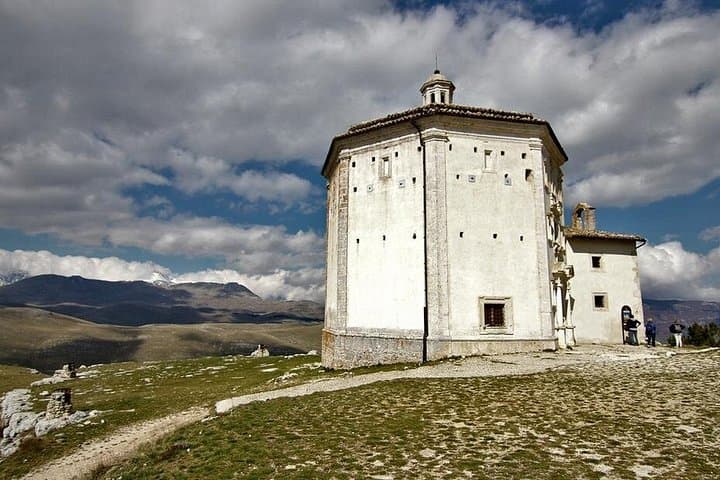

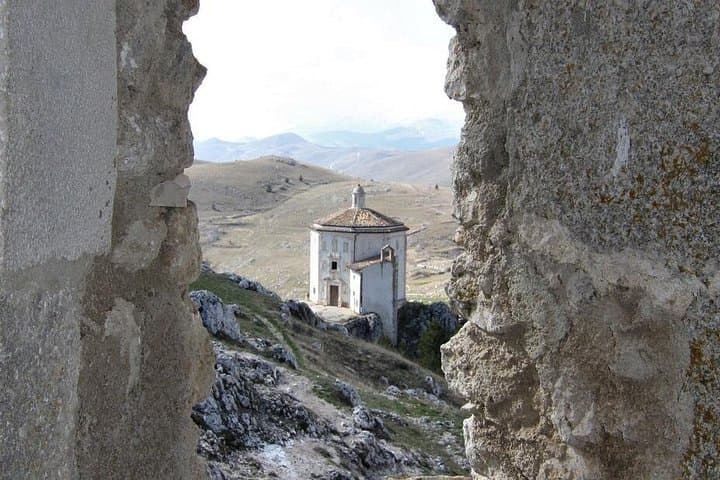

You climb from the village through a narrow stone lane, the air thinning as the landscape opens to the squat silhouette of Rocca Calascio on a grassy ridge. Wind pushes against the fortress’s low walls; the approach bridge and the little Church of Santa Maria della Pietà mark the last human steps before the high country stretches away.
You climb from the village through a narrow stone lane, the air thinning as the landscape opens to the squat silhouette of Rocca Calascio on a grassy ridge. Wind pushes against the fortress’s low walls; the approach bridge and the little Church of Santa Maria della Pietà mark the last human steps before the high country stretches away.
Rocca Calascio began life as a medieval watchpost, its compact keep and ramparts shaped by centuries of shepherding and strategic need. The castle’s scrubby limestone slopes are part of the Gran Sasso e Monti della Laga chain—rock formed by ancient seabed uplift and carved by glacial and weather action—giving the site its raw, exposed character. Nearby Santo Stefano di Sessanio, a compact medieval borgo, preserves narrow alleys, a recently restored tower, and artisans who work with local saffron, lentils and Canestrato cheese.
Expect 4–6 hours on this private walking tour: village stroll, church visit, a 20–40 minute uphill approach to the castle on stony, sometimes exposed paths, and a leisurely traditional lunch featuring Santo Stefano lentils, L’Aquila saffron and local cheeses.
Practical edge: wear sturdy shoes with good grip for cobbles and loose scree, carry at least 1–1.5 liters of water, and bring a wind layer—weather at ~1,200–1,460 m can change quickly. Midday sun is strong in summer; mornings and late afternoons offer cooler light and better photos. Support local producers by buying saffron or lentils from village shops and stay on paths to protect fragile masonry and high-mountain flora.