THE ADVENTURE COLLECTIVE® · Independent discovery and booking for outdoor travel

Trace Porto’s medieval streets from tram to riverfront on a focused two-hour walk. Learn the stories behind the Galo de Barcelos, the city’s defenses, and why the Ribeira still pulses with maritime history.
Trace Porto’s medieval streets from tram to riverfront on a focused two-hour walk. Learn the stories behind the Galo de Barcelos, the city’s defenses, and why the Ribeira still pulses with maritime history.
You step off a tram into a lane glazed with centuries of footsteps: cobbles underfoot, laundry lines crossing above, and the Douro River daring you to follow its curve toward the Ribeira. The guide moves easily through narrow alleys, stopping where pale azulejos catch the late light and where stone stairways lead down to the riverbank.
Verified experiences and guided adventures in the surrounding area.
Operated by CallingYou Tours · Porto, Porto
You step off a tram into a lane glazed with centuries of footsteps: cobbles underfoot, laundry lines crossing above, and the Douro River daring you to follow its curve toward the Ribeira. The guide moves easily through narrow alleys, stopping where pale azulejos catch the late light and where stone stairways lead down to the riverbank.
Porto’s core grew around medieval walls and river trade. During the walk you’ll hear how granite façades, guild houses, and narrow streets protected the city and supported port commerce. The Galo de Barcelos appears in souvenir stalls—its rooster legend ties into regional justice stories—while the statue of Infante D. Henrique at the Ribeira marks Portugal’s pivot from medieval fortification to maritime exploration.
Geology is visible: granite outcrops and river terraces shaped where bridges now span the Douro; the Ponte Luís I looms downstream as 19th-century engineering that reshaped transport and trade. Cultural notes come alive—azulejo workshops, small tascas serving bifanas, and the hum of port lodges across the river in Vila Nova de Gaia.
Practical guidance: the tour is roughly two hours on uneven, often-steep cobbles with short stair sections. Wear sturdy shoes, bring water and a light rain layer in shoulder seasons, and plan for shade in summer afternoons. The route is compact—easy to combine with a visit to a cellar across the river—but expect close quarters in high season. Public transit and trams are nearby; group sizes stay manageable. The result is a concise, grounded primer on Porto’s medieval roots that leaves you ready to explore the Ribeira and beyond.
Meeting points vary by operator, but most start near Praça da Liberdade or Porto’s São Bento tram stops—confirm the exact location on your booking voucher.
The tour notes stroller access in sections, but many streets have uneven cobbles and stairs; wheelchair users should check accessibility details with the operator before booking.
Guides typically offer tours in several languages; confirm language availability when booking to ensure a guide in your preferred language.
Full refunds are usually available if you cancel at least 24 hours before departure; late cancellations may not be refundable.
CallingYou Tours operates guided outdoor trips and adventures with an emphasis on safety, stewardship, and memorable experiences.

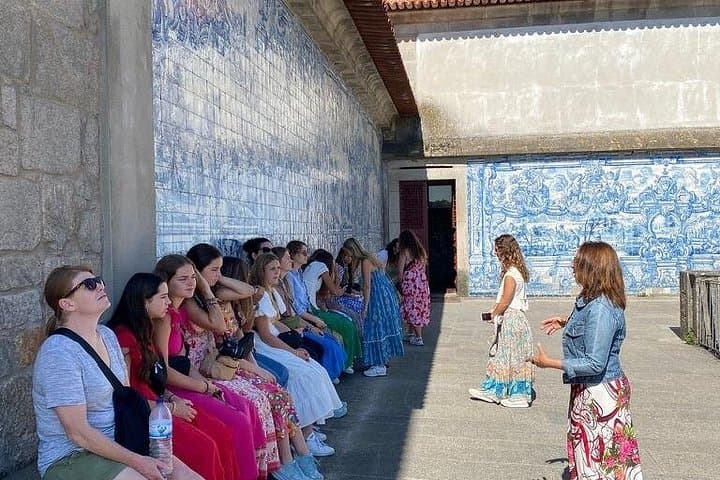
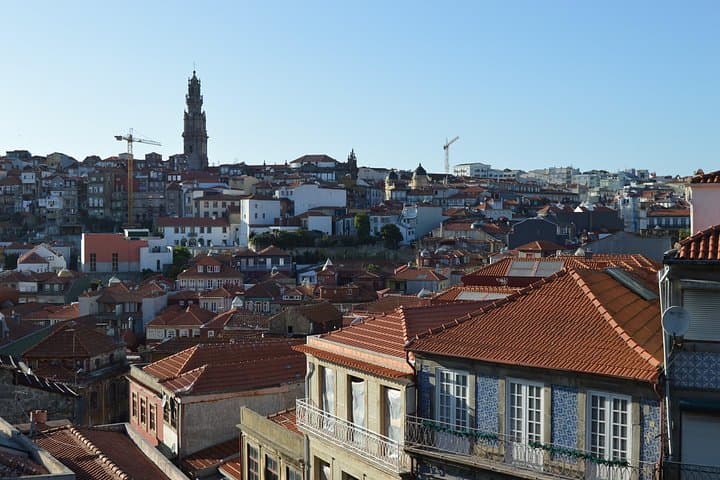

You step off a tram into a lane glazed with centuries of footsteps: cobbles underfoot, laundry lines crossing above, and the Douro River daring you to follow its curve toward the Ribeira. The guide moves easily through narrow alleys, stopping where pale azulejos catch the late light and where stone stairways lead down to the riverbank.
You step off a tram into a lane glazed with centuries of footsteps: cobbles underfoot, laundry lines crossing above, and the Douro River daring you to follow its curve toward the Ribeira. The guide moves easily through narrow alleys, stopping where pale azulejos catch the late light and where stone stairways lead down to the riverbank.
Porto’s core grew around medieval walls and river trade. During the walk you’ll hear how granite façades, guild houses, and narrow streets protected the city and supported port commerce. The Galo de Barcelos appears in souvenir stalls—its rooster legend ties into regional justice stories—while the statue of Infante D. Henrique at the Ribeira marks Portugal’s pivot from medieval fortification to maritime exploration.
Geology is visible: granite outcrops and river terraces shaped where bridges now span the Douro; the Ponte Luís I looms downstream as 19th-century engineering that reshaped transport and trade. Cultural notes come alive—azulejo workshops, small tascas serving bifanas, and the hum of port lodges across the river in Vila Nova de Gaia.
Practical guidance: the tour is roughly two hours on uneven, often-steep cobbles with short stair sections. Wear sturdy shoes, bring water and a light rain layer in shoulder seasons, and plan for shade in summer afternoons. The route is compact—easy to combine with a visit to a cellar across the river—but expect close quarters in high season. Public transit and trams are nearby; group sizes stay manageable. The result is a concise, grounded primer on Porto’s medieval roots that leaves you ready to explore the Ribeira and beyond.