THE ADVENTURE COLLECTIVE® · Independent discovery and booking for outdoor travel

Spend a day tracing Serbia’s medieval heart: visit the fortified Manasija Monastery, stand beneath frescoed walls, and walk 800 m into the ancient Resavska Cave. Practical tips and local context help you plan this immersive day trip from Belgrade.
Spend a day tracing Serbia’s medieval heart: visit the fortified Manasija Monastery, stand beneath frescoed walls, and walk 800 m into the ancient Resavska Cave. Practical tips and local context help you plan this immersive day trip from Belgrade.
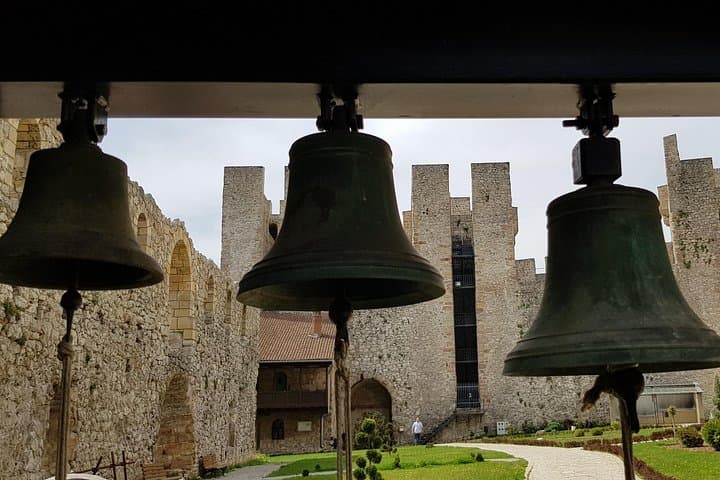
You arrive as the road narrows into a ribbon of oak and beech; stone walls peer over roadside meadows and the air smells faintly of leaf litter. The first stop is Manasija, where a compact fortress-church crouches beneath defensive towers and frescoed interiors hold the quiet work of centuries. Later, the cave opens like a cool, slow lung — passages carved long before human memory, dripping and glinting under a low, steady light.
Verified experiences and guided adventures in the surrounding area.
Operated by Feel Serbia tours · Despotovac, Pomoravlje District
You arrive as the road narrows into a ribbon of oak and beech; stone walls peer over roadside meadows and the air smells faintly of leaf litter. The first stop is Manasija, where a compact fortress-church crouches beneath defensive towers and frescoed interiors hold the quiet work of centuries. Later, the cave opens like a cool, slow lung — passages carved long before human memory, dripping and glinting under a low, steady light.
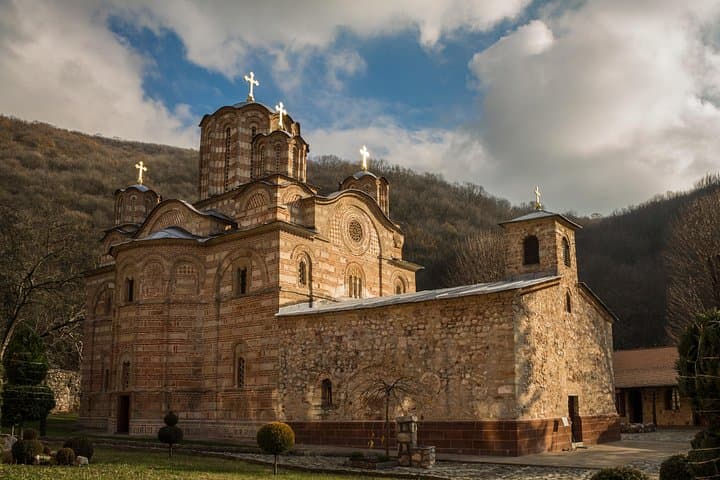
Manasija was built by Despot Stefan Lazarević between 1407 and 1418 and reflects late Byzantine-influenced Serbian medieval art and fresco painting. Nearby Ravanica, founded in the late 14th century by Prince Lazar, adds another layer of monastic history. Geology takes the stage at Resavska Cave: part of a karst system roughly 80 million years in formation, with tourists led through the first ~800 m of chambers that preserve stalactites, stalagmites, and mineral flowstone.
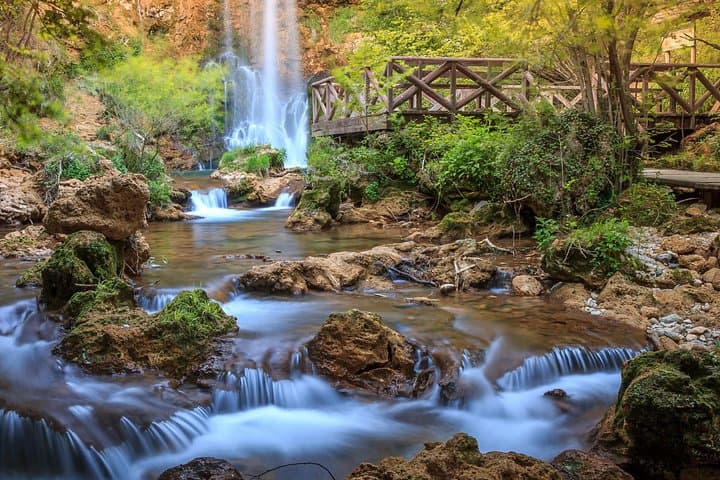
Between cultural sites are short walks to natural features such as the protected Waterfall Lisine and the Vrelo spring at about 380 m altitude. Local guides tie the sites to Serbia’s national and spiritual history while pointing out conservation measures that protect karst water sources.
Practical guidance: this is a full-day private tour (8–10 hours) often run from Belgrade with seated transfers. Expect uneven cave pathways and some low ceilings — wear sturdy shoes, bring a light jacket for cave temperatures, and carry water and a camera. Check pickup details, admission inclusions, and weather before booking to make the most of a compact day of medieval art and subterranean geology.
The guided Resavska Cave tour for visitors covers roughly 800 m and lasts about 45 minutes to an hour.
Admission for Resavska Cave is normally included in this itinerary; confirm whether specific monastery donations or entry fees are covered when you book.
The operator notes stroller accessibility for parts of the tour, but cave passages have uneven steps—young children may need to be carried through the cave sections.
Yes; this is a full-day private tour typically running 8–10 hours with round-trip transport from Belgrade.
Feel Serbia tours operates guided outdoor trips and adventures with an emphasis on safety, stewardship, and memorable experiences.

You arrive as the road narrows into a ribbon of oak and beech; stone walls peer over roadside meadows and the air smells faintly of leaf litter. The first stop is Manasija, where a compact fortress-church crouches beneath defensive towers and frescoed interiors hold the quiet work of centuries. Later, the cave opens like a cool, slow lung — passages carved long before human memory, dripping and glinting under a low, steady light.
You arrive as the road narrows into a ribbon of oak and beech; stone walls peer over roadside meadows and the air smells faintly of leaf litter. The first stop is Manasija, where a compact fortress-church crouches beneath defensive towers and frescoed interiors hold the quiet work of centuries. Later, the cave opens like a cool, slow lung — passages carved long before human memory, dripping and glinting under a low, steady light.
Manasija was built by Despot Stefan Lazarević between 1407 and 1418 and reflects late Byzantine-influenced Serbian medieval art and fresco painting. Nearby Ravanica, founded in the late 14th century by Prince Lazar, adds another layer of monastic history. Geology takes the stage at Resavska Cave: part of a karst system roughly 80 million years in formation, with tourists led through the first ~800 m of chambers that preserve stalactites, stalagmites, and mineral flowstone.
Between cultural sites are short walks to natural features such as the protected Waterfall Lisine and the Vrelo spring at about 380 m altitude. Local guides tie the sites to Serbia’s national and spiritual history while pointing out conservation measures that protect karst water sources.
Practical guidance: this is a full-day private tour (8–10 hours) often run from Belgrade with seated transfers. Expect uneven cave pathways and some low ceilings — wear sturdy shoes, bring a light jacket for cave temperatures, and carry water and a camera. Check pickup details, admission inclusions, and weather before booking to make the most of a compact day of medieval art and subterranean geology.