THE ADVENTURE COLLECTIVE® · Independent discovery and booking for outdoor travel

Step out of Barcelona for a day among Catalonia’s medieval villages—walk Besalú’s 12th‑century bridge, explore Rupit’s cobbled lanes and hanging bridge, and peer off Tavertet’s sandstone cliffs over the Sau reservoir. Practical details and local insights to plan your day trip.
Step out of Barcelona for a day among Catalonia’s medieval villages—walk Besalú’s 12th‑century bridge, explore Rupit’s cobbled lanes and hanging bridge, and peer off Tavertet’s sandstone cliffs over the Sau reservoir. Practical details and local insights to plan your day trip.
You leave Barcelona before dawn, the city shrinking behind glass as the road threads into the Catalan interior. By midmorning the bus eases into Besalú and the 12th‑century bridge appears—stone arches spanning the river like a deliberate act of patience. Narrow lanes funnel you past Romanesque doorways; the air smells of wet stone and café espresso.
Verified experiences and guided adventures in the surrounding area.
Operated by Explore Catalunya · Barcelona, Catalonia
You leave Barcelona before dawn, the city shrinking behind glass as the road threads into the Catalan interior. By midmorning the bus eases into Besalú and the 12th‑century bridge appears—stone arches spanning the river like a deliberate act of patience. Narrow lanes funnel you past Romanesque doorways; the air smells of wet stone and café espresso.
These villages sit where geology and history meet. Besalú’s mikveh and monastery reflect medieval trade and a once‑vibrant Jewish quarter; Castellfollit perches on a black basalt spine formed by successive lava flows; Tavertet’s cliffs are sandstone slabs that stare down at the drowned shapes of the Pantà de Sau reservoir. Rupit keeps wooden walkways and a Baroque church above cobbled streets that once channelled livestock and pilgrims.
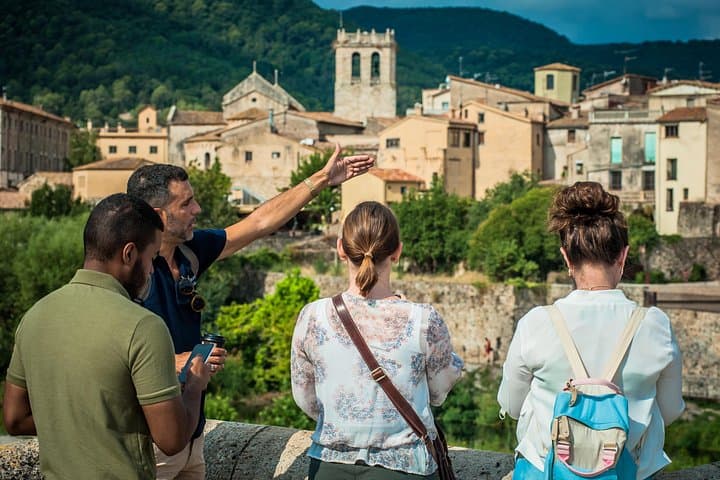
The rhythm of the day is practical: guided walks, timed stops for photos, and about two hours to eat in Rupit. Expect uneven cobbles, short stair sections, and some unpaved viewpoints—good traction matters. Guides speak English and provide local context on architecture, land use, and Catalan customs; lunch is on you at a village restaurant where traditional catalan dishes like esqueixada or botifarra are the norm.
Plan for variable weather, arrive 15 minutes early at the Palau de la Música meeting point, and carry water, sun protection, and a compact rain layer. This trip is best for travelers who want concentrated history, quick hikes to viewpoints, and the kind of small‑group access that makes centuries feel close enough to touch.
The meeting point is at the tour office near Palau de la Música in central Barcelona; the tour returns to the same area around 6:45pm.
No—lunch in Rupit is at your own expense; guides can recommend or reserve local restaurants.
Walks are short and mostly on cobblestones or short dirt paths; a moderate fitness level is recommended but no technical hiking skills are required.
This particular departure operates only in English; check with the operator for other language options.
Explore Catalunya operates guided outdoor trips and adventures with an emphasis on safety, stewardship, and memorable experiences.
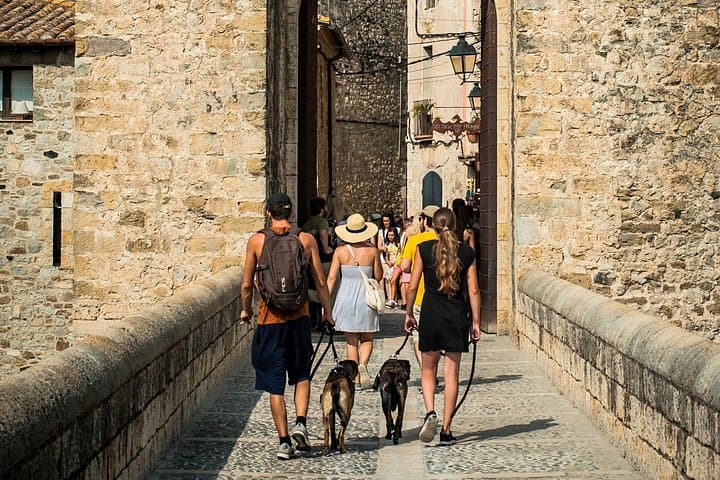
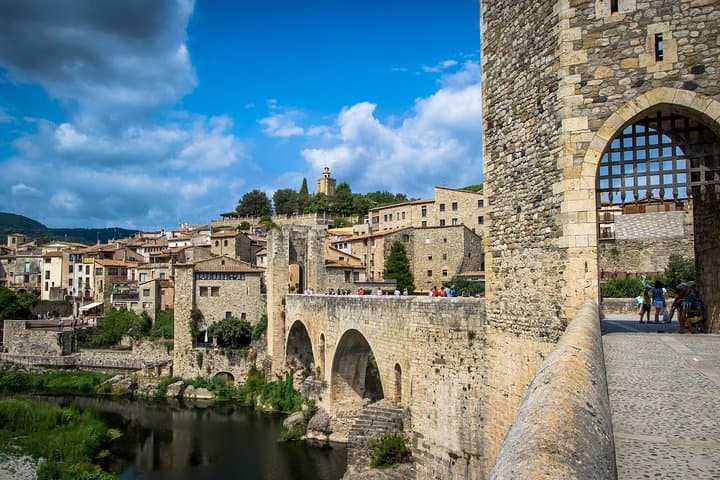
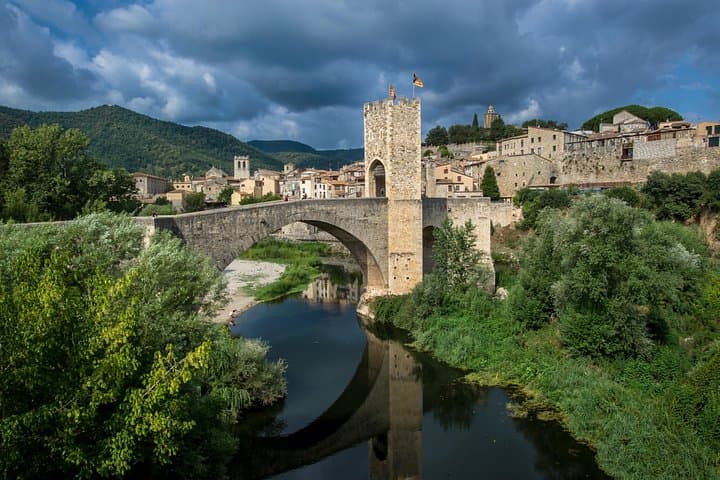
You leave Barcelona before dawn, the city shrinking behind glass as the road threads into the Catalan interior. By midmorning the bus eases into Besalú and the 12th‑century bridge appears—stone arches spanning the river like a deliberate act of patience. Narrow lanes funnel you past Romanesque doorways; the air smells of wet stone and café espresso.
You leave Barcelona before dawn, the city shrinking behind glass as the road threads into the Catalan interior. By midmorning the bus eases into Besalú and the 12th‑century bridge appears—stone arches spanning the river like a deliberate act of patience. Narrow lanes funnel you past Romanesque doorways; the air smells of wet stone and café espresso.
These villages sit where geology and history meet. Besalú’s mikveh and monastery reflect medieval trade and a once‑vibrant Jewish quarter; Castellfollit perches on a black basalt spine formed by successive lava flows; Tavertet’s cliffs are sandstone slabs that stare down at the drowned shapes of the Pantà de Sau reservoir. Rupit keeps wooden walkways and a Baroque church above cobbled streets that once channelled livestock and pilgrims.
The rhythm of the day is practical: guided walks, timed stops for photos, and about two hours to eat in Rupit. Expect uneven cobbles, short stair sections, and some unpaved viewpoints—good traction matters. Guides speak English and provide local context on architecture, land use, and Catalan customs; lunch is on you at a village restaurant where traditional catalan dishes like esqueixada or botifarra are the norm.
Plan for variable weather, arrive 15 minutes early at the Palau de la Música meeting point, and carry water, sun protection, and a compact rain layer. This trip is best for travelers who want concentrated history, quick hikes to viewpoints, and the kind of small‑group access that makes centuries feel close enough to touch.