THE ADVENTURE COLLECTIVE® · Independent discovery and booking for outdoor travel

Walk between the monumental pylons of Medinet Habu and the intimate tombs of Deir el-Medina on Luxor’s West Bank. This three-hour tour pairs military reliefs and artisans’ graffiti with practical tips for coping with heat, uneven stone, and photography rules.
Walk between the monumental pylons of Medinet Habu and the intimate tombs of Deir el-Medina on Luxor’s West Bank. This three-hour tour pairs military reliefs and artisans’ graffiti with practical tips for coping with heat, uneven stone, and photography rules.
You step out of the air-conditioned van onto packed earth and sun-warmed stone; columns loom like pages of a history book and the desert wind pushes the dust along the wide causeway. Medinet Habu’s angled pylons and deep-colored reliefs meet you first — scenes of battle and ritual cut into sandstone — then a short drive lifts you uphill to Deir el-Medina, the compact village where the tomb-builders lived.
Verified experiences and guided adventures in the surrounding area.
Operated by Twitter Egypt Travel · Luxor, Luxor Governorate
You step out of the air-conditioned van onto packed earth and sun-warmed stone; columns loom like pages of a history book and the desert wind pushes the dust along the wide causeway. Medinet Habu’s angled pylons and deep-colored reliefs meet you first — scenes of battle and ritual cut into sandstone — then a short drive lifts you uphill to Deir el-Medina, the compact village where the tomb-builders lived.
These sites are compact classrooms of the New Kingdom and Ramesside eras. Medinet Habu is Ramesses III’s mortuary temple, etched with campaign scenes and ritual registers that reveal both politics and piety. Deir el-Medina preserves houses, chapels and richly decorated private tombs that explain daily life: craftsmen, signatures on walls, and votive graffiti. Geology is obvious here — local sandstone and Nile mud-brick shaped both architecture and the pigments that still cling to carved faces.
Culture on the West Bank still moves to a quieter rhythm than the Nile’s east shore; local guides translate not just hieroglyphs but social detail — how labor was organized and how faith threaded through household life.
Practically, expect uneven stone, sun and tight spaces in tomb interiors. The tour runs roughly three hours with walking between points and short vehicle transfers. Wear sturdy shoes, bring 1–2 liters of water, and dress respectfully (shoulders and knees covered). Photography policies vary by site and flash is usually restricted. Small-group pacing makes it easy to linger on favorite reliefs; bring cash for site entry, museum stops, and a guide tip. With a respectful stride, these sites reward close attention.
No — this tour description indicates admission is not included; plan to pay onsite in local currency.
Expect short walks between archaeological areas and up to 90 minutes spent at each site with some standing and stair climbing.
Policies vary by tomb; non-flash photography is usually permitted but flash, tripods, and commercial shooting often require permission.
Both sites have uneven surfaces and steps; they are not fully wheelchair accessible though assistance and alternate routes may be possible for partial access.
Twitter Egypt Travel operates guided outdoor trips and adventures with an emphasis on safety, stewardship, and memorable experiences.
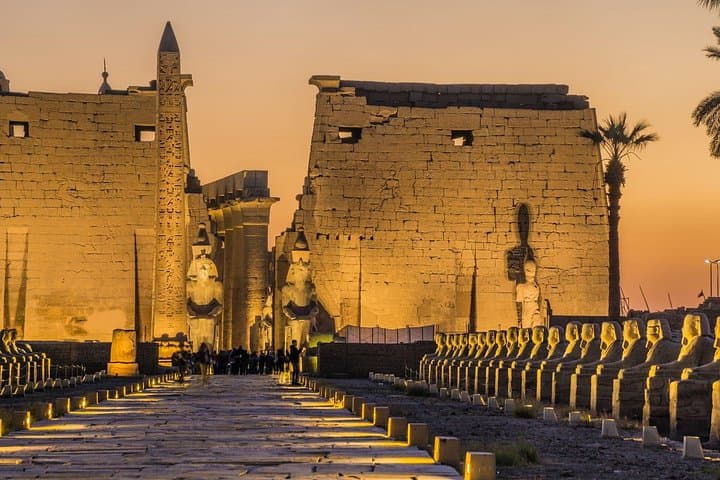
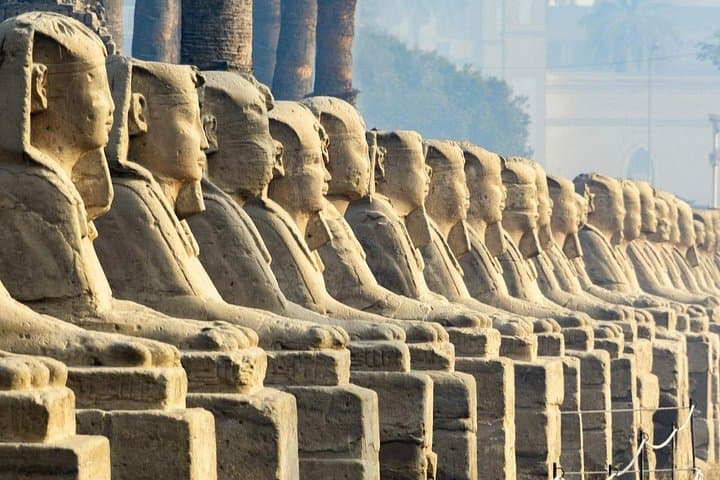


You step out of the air-conditioned van onto packed earth and sun-warmed stone; columns loom like pages of a history book and the desert wind pushes the dust along the wide causeway. Medinet Habu’s angled pylons and deep-colored reliefs meet you first — scenes of battle and ritual cut into sandstone — then a short drive lifts you uphill to Deir el-Medina, the compact village where the tomb-builders lived.
You step out of the air-conditioned van onto packed earth and sun-warmed stone; columns loom like pages of a history book and the desert wind pushes the dust along the wide causeway. Medinet Habu’s angled pylons and deep-colored reliefs meet you first — scenes of battle and ritual cut into sandstone — then a short drive lifts you uphill to Deir el-Medina, the compact village where the tomb-builders lived.
These sites are compact classrooms of the New Kingdom and Ramesside eras. Medinet Habu is Ramesses III’s mortuary temple, etched with campaign scenes and ritual registers that reveal both politics and piety. Deir el-Medina preserves houses, chapels and richly decorated private tombs that explain daily life: craftsmen, signatures on walls, and votive graffiti. Geology is obvious here — local sandstone and Nile mud-brick shaped both architecture and the pigments that still cling to carved faces.
Culture on the West Bank still moves to a quieter rhythm than the Nile’s east shore; local guides translate not just hieroglyphs but social detail — how labor was organized and how faith threaded through household life.
Practically, expect uneven stone, sun and tight spaces in tomb interiors. The tour runs roughly three hours with walking between points and short vehicle transfers. Wear sturdy shoes, bring 1–2 liters of water, and dress respectfully (shoulders and knees covered). Photography policies vary by site and flash is usually restricted. Small-group pacing makes it easy to linger on favorite reliefs; bring cash for site entry, museum stops, and a guide tip. With a respectful stride, these sites reward close attention.