THE ADVENTURE COLLECTIVE® · Independent discovery and booking for outdoor travel

Sit in stillness while the sun rises over the Giza Plateau. This guided meditation pairs quiet contemplation with close-up views of the pyramids and practical advice for an early-morning visit.
Sit in stillness while the sun rises over the Giza Plateau. This guided meditation pairs quiet contemplation with close-up views of the pyramids and practical advice for an early-morning visit.
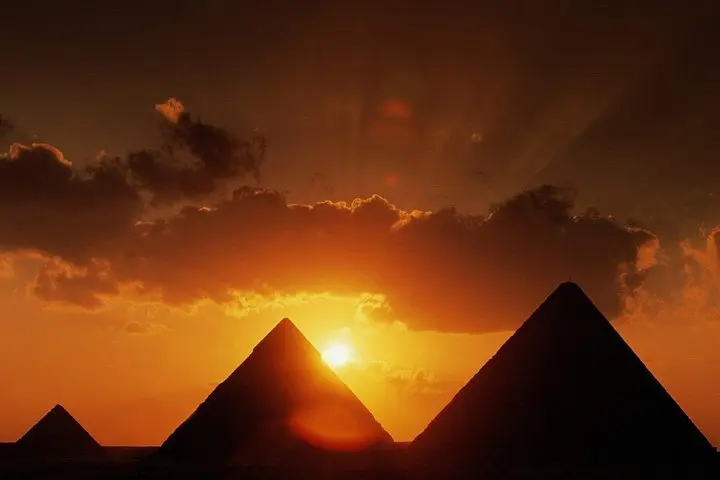
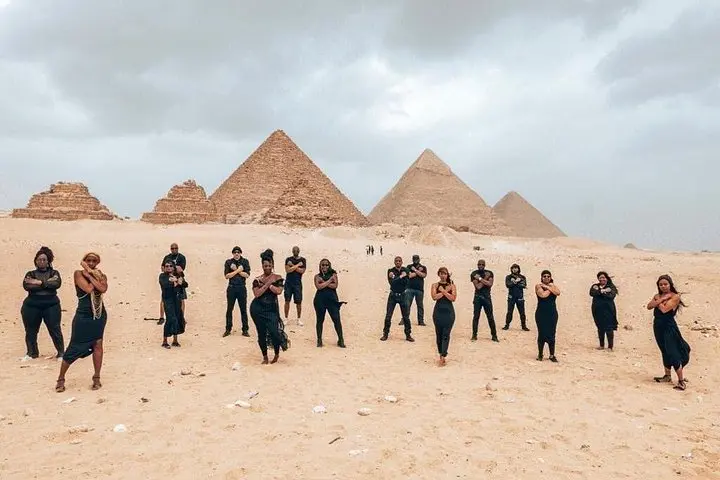
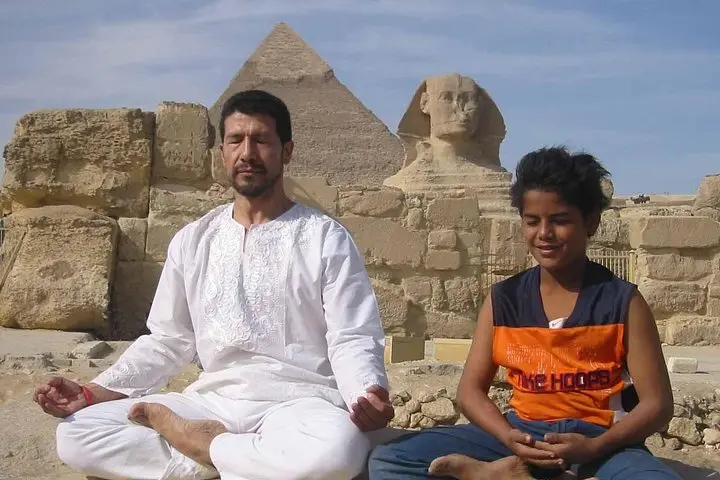
Dawn on the Giza Plateau is a study in light and stone: the pyramids throw long, slow shadows while the air cools against ancient limestone. Sitting on the plateau for a guided meditation, you feel the scale of time around you—the stones hum with human history as the Sphinx watches the horizon.
Verified experiences and guided adventures in the surrounding area.
Operated by Egypt Sunny Tours · Giza, Giza Governorate
Dawn on the Giza Plateau is a study in light and stone: the pyramids throw long, slow shadows while the air cools against ancient limestone. Sitting on the plateau for a guided meditation, you feel the scale of time around you—the stones hum with human history as the Sphinx watches the horizon.
The pyramids were built in the Old Kingdom (around 4,500 years ago) as monumental tombs; the surrounding plateau is Eocene limestone carved by wind and time. Cultural layers—Pharaonic ritual, later travelers’ pilgrimages, and modern tourism—converge here, so even a quiet practice is braided with living history. Nearby, the Solar Boat Museum and the Sphinx add context: these are not props but functioning archaeological landscapes.
Practically, expect mostly flat but uneven sandy and limestone terrain with short walks between viewpoints (under 1.5 km total for the typical visit) and almost no elevation gain. The operator recommends arriving at opening to secure 15–20 quiet minutes for a solo sit; mornings mean lower crowds and gentler light for reflection. Bring sun protection, a small water supply, and shoes that handle sand and rock. Respect site rules—no climbing, no touching carved faces, and follow your guide when crossing security or restricted zones.
This experience blends contemplative practice with cultural immersion: it’s part guided meditation, part history walk. For those who want a measured, low-impact way to encounter the pyramids, it’s an accessible, memorable option—quiet, grounding, and rooted in place.
No special permit is required for quiet individual meditation, but you must follow site rules and your guide’s directions; early arrival helps secure a peaceful spot.
Photography is allowed in most outdoor areas, but be discreet during guided or private meditation and avoid using flash near conservation zones.
The plateau has uneven surfaces; the tour lists wheelchair-accessible options, but check with the operator in advance for specific transfer and assistance arrangements.
Entry tickets and security screening are required; your booking should include entry fees and pick-up, and expect standard bag checks at the entrance.
Egypt Sunny Tours operates guided outdoor trips and adventures with an emphasis on safety, stewardship, and memorable experiences.
Dawn on the Giza Plateau is a study in light and stone: the pyramids throw long, slow shadows while the air cools against ancient limestone. Sitting on the plateau for a guided meditation, you feel the scale of time around you—the stones hum with human history as the Sphinx watches the horizon.
Dawn on the Giza Plateau is a study in light and stone: the pyramids throw long, slow shadows while the air cools against ancient limestone. Sitting on the plateau for a guided meditation, you feel the scale of time around you—the stones hum with human history as the Sphinx watches the horizon.
The pyramids were built in the Old Kingdom (around 4,500 years ago) as monumental tombs; the surrounding plateau is Eocene limestone carved by wind and time. Cultural layers—Pharaonic ritual, later travelers’ pilgrimages, and modern tourism—converge here, so even a quiet practice is braided with living history. Nearby, the Solar Boat Museum and the Sphinx add context: these are not props but functioning archaeological landscapes.
Practically, expect mostly flat but uneven sandy and limestone terrain with short walks between viewpoints (under 1.5 km total for the typical visit) and almost no elevation gain. The operator recommends arriving at opening to secure 15–20 quiet minutes for a solo sit; mornings mean lower crowds and gentler light for reflection. Bring sun protection, a small water supply, and shoes that handle sand and rock. Respect site rules—no climbing, no touching carved faces, and follow your guide when crossing security or restricted zones.
This experience blends contemplative practice with cultural immersion: it’s part guided meditation, part history walk. For those who want a measured, low-impact way to encounter the pyramids, it’s an accessible, memorable option—quiet, grounding, and rooted in place.