THE ADVENTURE COLLECTIVE® · Independent discovery and booking for outdoor travel

Sit in a Kochi home and learn Kathakali’s grammar from India’s first all‑women troupe. This 90–120 minute, offstage interaction combines candid history, technical demonstration (no makeup) and tea.
Sit in a Kochi home and learn Kathakali’s grammar from India’s first all‑women troupe. This 90–120 minute, offstage interaction combines candid history, technical demonstration (no makeup) and tea.
You step off a humid Kochi lane into a cool, fan‑lit sitting room where the smell of tea hangs in the air and conversation moves like a practiced rhythm. The women artistes greet you with the same measured energy that powers Kathakali: deliberate gestures, an economy of motion and stories that stretch back through Kerala’s temple theatres. This is not a performance with makeup and headdresses — it’s a close, conversational passage into craft and conviction.
Verified experiences and guided adventures in the surrounding area.
Operated by The Traveling Gecko · Kochi, Kerala
You step off a humid Kochi lane into a cool, fan‑lit sitting room where the smell of tea hangs in the air and conversation moves like a practiced rhythm. The women artistes greet you with the same measured energy that powers Kathakali: deliberate gestures, an economy of motion and stories that stretch back through Kerala’s temple theatres. This is not a performance with makeup and headdresses — it’s a close, conversational passage into craft and conviction.
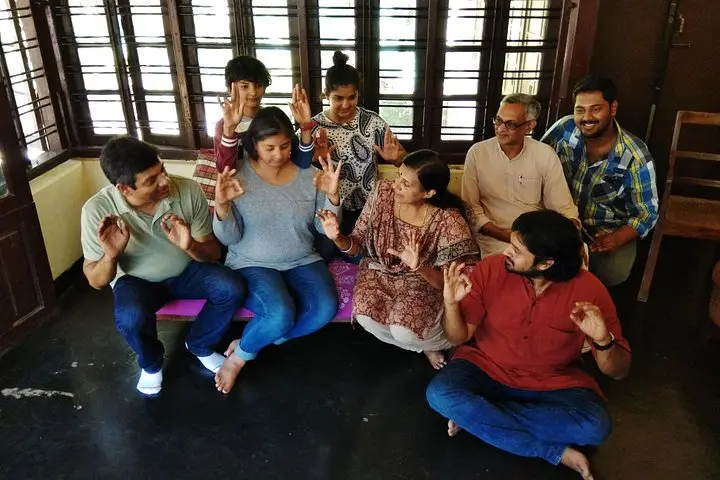
Kathakali developed in Kerala in the 17th–18th centuries as a highly codified dance‑drama tied to Hindu mythology, traditionally performed by men. The group you’ll meet rewrote that page, earning national recognition and pushing the form’s boundaries while honoring classical technique: hand mudras, eye work, tala (rhythm) and the role of percussion and vocal accompaniment.
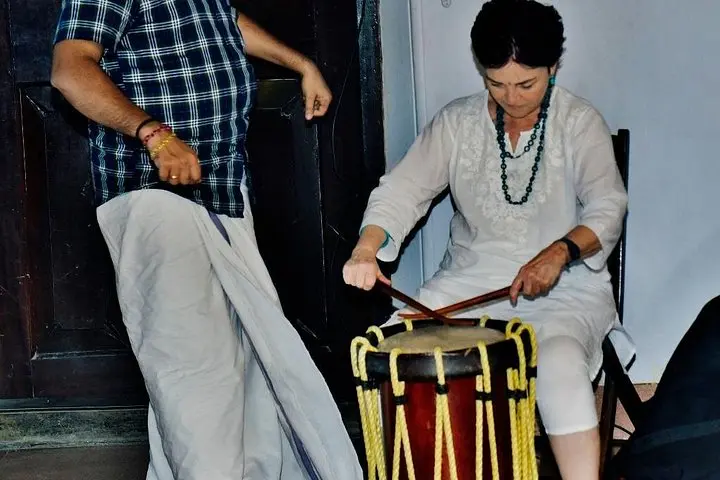
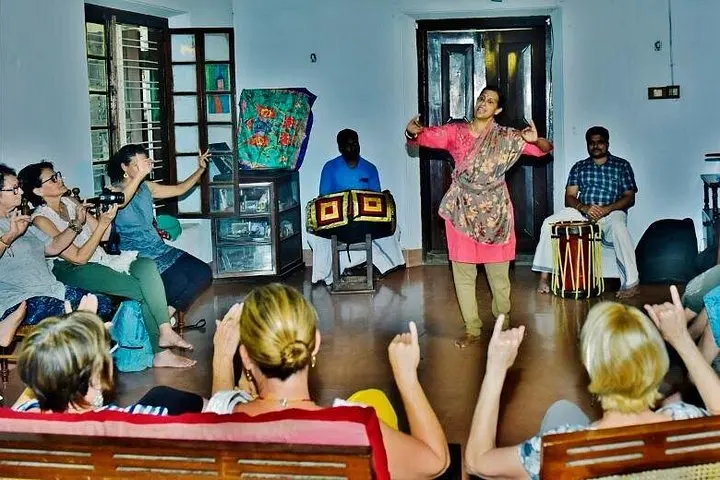
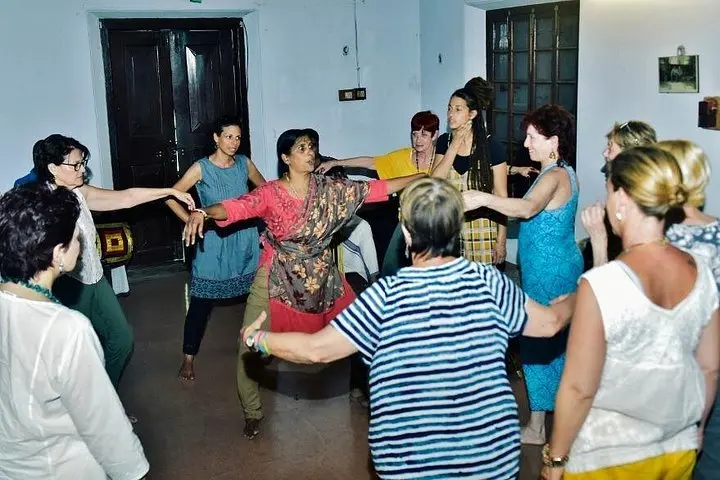
Expect an informal lecture‑demonstration of 90–120 minutes where artistes explain training regimes, costume logic, story structure and the musical language, then show bare‑faced technique — no stage makeup. The setting is a private home, creating intimacy and a chance to ask questions about gender, pedagogy and performance economics in contemporary Kerala.
Practicalities: arrive on time, dress smart casual, and keep photography respectful — ask before close‑up shots. The session includes tea and snacks; it’s stroller accessible and suitable for most travelers. Confirmation is handled manually, and bookings are final. For the culturally curious, this interaction is a compact, insightful way to learn Kathakali’s grammar from practitioners who reshaped its future.
Basic photography is usually allowed but always ask first, especially for close‑ups or recording parts of the demonstration.
No — this tour features a lecture‑demonstration without makeup or costume to focus on technique and history.
Yes; infants can sit in laps and the venue is stroller accessible, though content and pacing suit older children better.
Bookings are final with no refunds; confirm details and timing carefully before you reserve.
The Traveling Gecko operates guided outdoor trips and adventures with an emphasis on safety, stewardship, and memorable experiences.
You step off a humid Kochi lane into a cool, fan‑lit sitting room where the smell of tea hangs in the air and conversation moves like a practiced rhythm. The women artistes greet you with the same measured energy that powers Kathakali: deliberate gestures, an economy of motion and stories that stretch back through Kerala’s temple theatres. This is not a performance with makeup and headdresses — it’s a close, conversational passage into craft and conviction.
You step off a humid Kochi lane into a cool, fan‑lit sitting room where the smell of tea hangs in the air and conversation moves like a practiced rhythm. The women artistes greet you with the same measured energy that powers Kathakali: deliberate gestures, an economy of motion and stories that stretch back through Kerala’s temple theatres. This is not a performance with makeup and headdresses — it’s a close, conversational passage into craft and conviction.
Kathakali developed in Kerala in the 17th–18th centuries as a highly codified dance‑drama tied to Hindu mythology, traditionally performed by men. The group you’ll meet rewrote that page, earning national recognition and pushing the form’s boundaries while honoring classical technique: hand mudras, eye work, tala (rhythm) and the role of percussion and vocal accompaniment.
Expect an informal lecture‑demonstration of 90–120 minutes where artistes explain training regimes, costume logic, story structure and the musical language, then show bare‑faced technique — no stage makeup. The setting is a private home, creating intimacy and a chance to ask questions about gender, pedagogy and performance economics in contemporary Kerala.
Practicalities: arrive on time, dress smart casual, and keep photography respectful — ask before close‑up shots. The session includes tea and snacks; it’s stroller accessible and suitable for most travelers. Confirmation is handled manually, and bookings are final. For the culturally curious, this interaction is a compact, insightful way to learn Kathakali’s grammar from practitioners who reshaped its future.