THE ADVENTURE COLLECTIVE® · Independent discovery and booking for outdoor travel

Spend 60–90 minutes inside Paul Pedulla’s Boston studio to see minimalist canvases, learn about his process, and ask questions in an intimate SoWa Arts District setting. This studio visit pairs practical insight for collectors with a short walking exploration of the surrounding galleries and markets.
Spend 60–90 minutes inside Paul Pedulla’s Boston studio to see minimalist canvases, learn about his process, and ask questions in an intimate SoWa Arts District setting. This studio visit pairs practical insight for collectors with a short walking exploration of the surrounding galleries and markets.
Step through the freight‑door light of a converted South End loft and you enter a workspace where scale, restraint and flat planes of color meet like old friends. The studio at 450 Harrison Ave has the hush of a gallery and the lived-in energy of an artist’s daily practice: stacked canvases, palette knives with paint crusted to their edges, and daylight angling across minimalist seascapes and architectural vistas.
Verified experiences and guided adventures in the surrounding area.
Operated by The Art of Paul Pedulla · Boston, Massachusetts
Step through the freight‑door light of a converted South End loft and you enter a workspace where scale, restraint and flat planes of color meet like old friends. The studio at 450 Harrison Ave has the hush of a gallery and the lived-in energy of an artist’s daily practice: stacked canvases, palette knives with paint crusted to their edges, and daylight angling across minimalist seascapes and architectural vistas.
Paul Pedulla’s work sits in the lineage of New England modernism—clean composition born from a region of brick warehouses, shipping lanes and clipped coastal weather. The SoWa Arts District itself was once an industrial and garment hub; its late 20th‑century conversion to artist studios turned factory floors into public creative rooms and weekend markets. That industrial past shows in exposed brick, wide windows and a city grit that keeps the neighborhood honest.
The 60–90 minute studio visit blends a guided talk, a short tour of works in various stages, and time for questions about process, materials and inspiration. Expect practical insights—why certain grounds hold pigment, how scale changes viewing distance, what influences a recurring palette—and actionable tips for collectors and curious visitors.
Plan to arrive by T or carshare, allow time for the elevator to the third floor, and bring a notebook rather than a tripod: photography may be limited. After the session, the surrounding SoWa blocks reward wandering—small galleries, a vintage market, and cafés that match the studio’s calm pace. This is a close, conversational encounter with an artist and a neighborhood that traded machines for makers.
Sessions run approximately 60–90 minutes and include a talk, viewing of works and time for Q&A.
Yes. The venue notes wheelchair accessible routes and an elevator to the third floor—contact the host with specific needs.
Yes—works may be available for purchase; discuss pricing and shipping with the artist or host during the visit.
Children are welcome but must be accompanied by an adult; content and conversation are geared toward adults and art buyers.
The Art of Paul Pedulla operates guided outdoor trips and adventures with an emphasis on safety, stewardship, and memorable experiences.
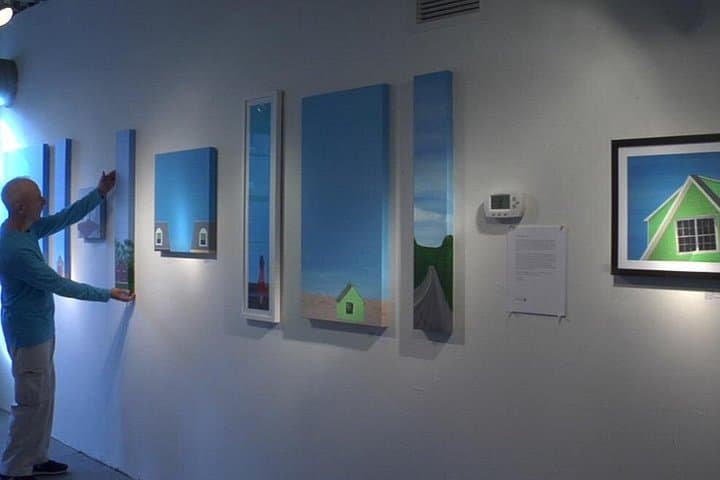
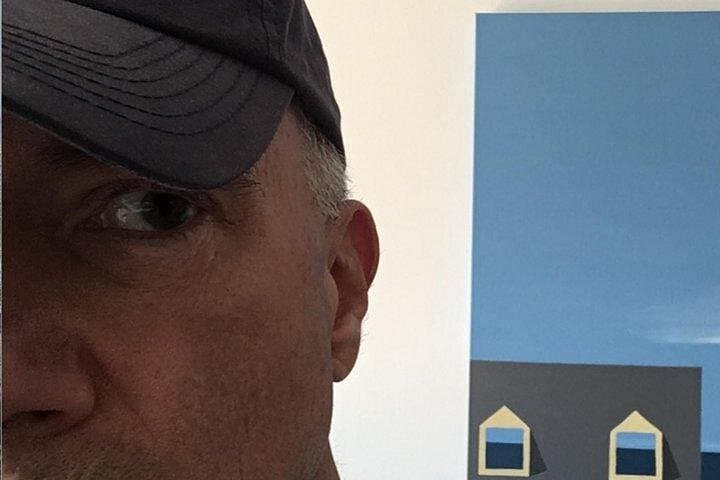
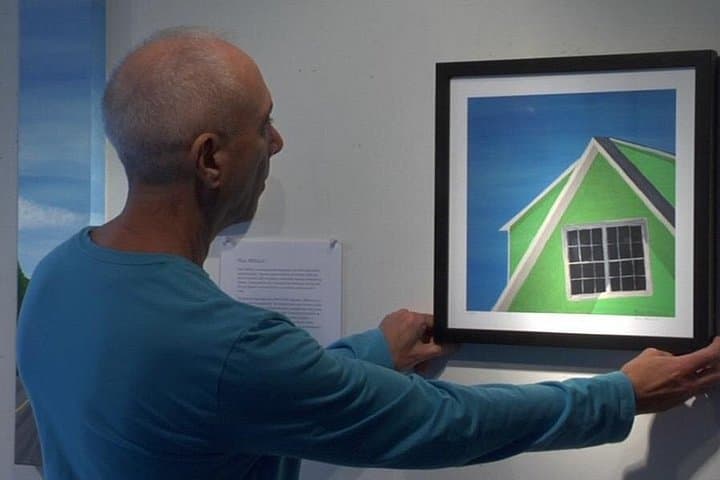

Step through the freight‑door light of a converted South End loft and you enter a workspace where scale, restraint and flat planes of color meet like old friends. The studio at 450 Harrison Ave has the hush of a gallery and the lived-in energy of an artist’s daily practice: stacked canvases, palette knives with paint crusted to their edges, and daylight angling across minimalist seascapes and architectural vistas.
Step through the freight‑door light of a converted South End loft and you enter a workspace where scale, restraint and flat planes of color meet like old friends. The studio at 450 Harrison Ave has the hush of a gallery and the lived-in energy of an artist’s daily practice: stacked canvases, palette knives with paint crusted to their edges, and daylight angling across minimalist seascapes and architectural vistas.
Paul Pedulla’s work sits in the lineage of New England modernism—clean composition born from a region of brick warehouses, shipping lanes and clipped coastal weather. The SoWa Arts District itself was once an industrial and garment hub; its late 20th‑century conversion to artist studios turned factory floors into public creative rooms and weekend markets. That industrial past shows in exposed brick, wide windows and a city grit that keeps the neighborhood honest.
The 60–90 minute studio visit blends a guided talk, a short tour of works in various stages, and time for questions about process, materials and inspiration. Expect practical insights—why certain grounds hold pigment, how scale changes viewing distance, what influences a recurring palette—and actionable tips for collectors and curious visitors.
Plan to arrive by T or carshare, allow time for the elevator to the third floor, and bring a notebook rather than a tripod: photography may be limited. After the session, the surrounding SoWa blocks reward wandering—small galleries, a vintage market, and cafés that match the studio’s calm pace. This is a close, conversational encounter with an artist and a neighborhood that traded machines for makers.