THE ADVENTURE COLLECTIVE® · Independent discovery and booking for outdoor travel

Spend a day with Kenyan mothers rebuilding lives at the Ngong Women’s Empowerment Centre. This immersive cultural visit pairs hands-on craft demonstrations with candid storytelling and practical support for local entrepreneurs.
Spend a day with Kenyan mothers rebuilding lives at the Ngong Women’s Empowerment Centre. This immersive cultural visit pairs hands-on craft demonstrations with candid storytelling and practical support for local entrepreneurs.
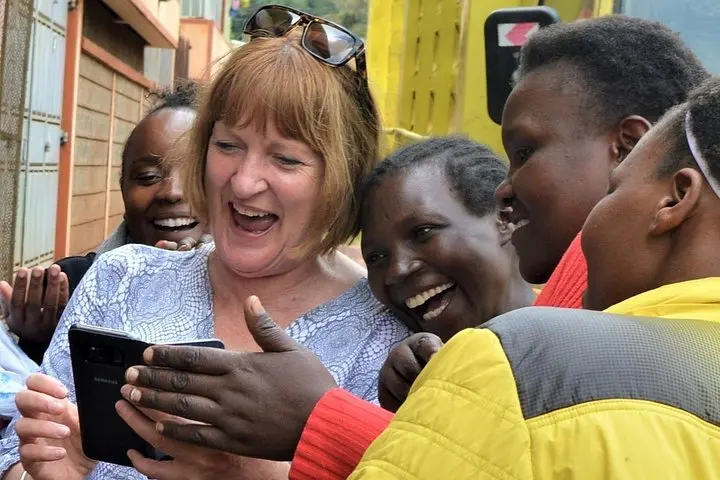
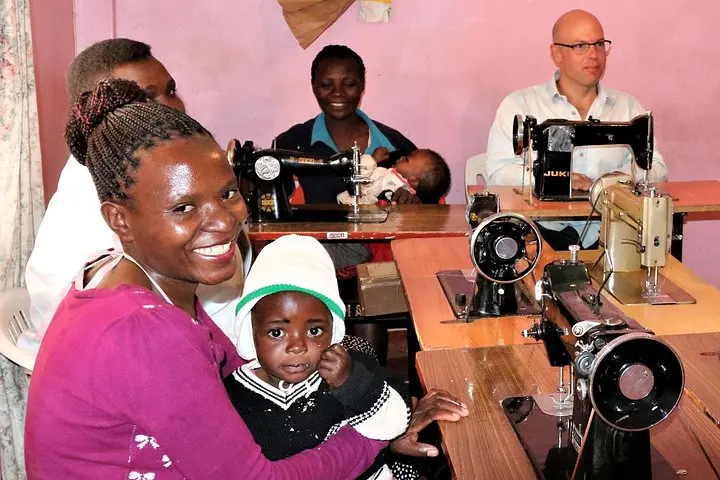
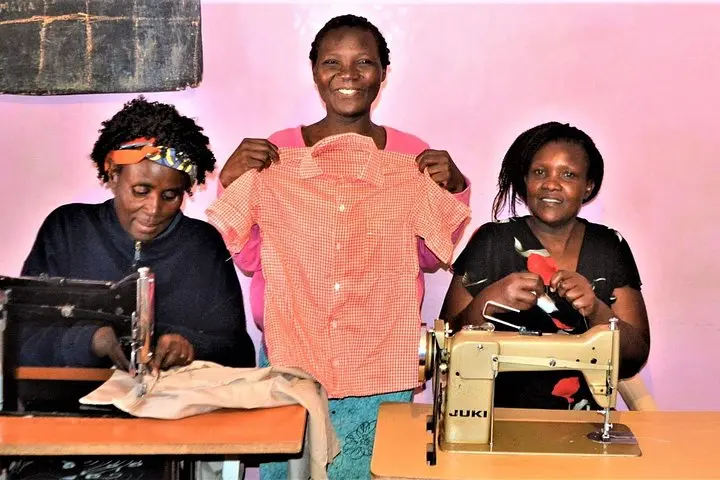
You arrive on a warm Nairobi morning and the city’s traffic thins as the road pushes west toward Ngong. The air shifts—dust gives way to a breath of eucalyptus and the silhouettes of the Ngong Hills loom like a deliberate, quiet audience. At the Women’s Empowerment Centre, a low building hums with sewing machines, the clack of beads, and the steady scrape of candle molds. Conversations start as introductions and become stories: single mothers who have rebuilt families, launched microbusinesses, and teach each other how to thrive.
Verified experiences and guided adventures in the surrounding area.
Operated by One Horizon Africa · Nairobi, Nairobi County
You arrive on a warm Nairobi morning and the city’s traffic thins as the road pushes west toward Ngong. The air shifts—dust gives way to a breath of eucalyptus and the silhouettes of the Ngong Hills loom like a deliberate, quiet audience. At the Women’s Empowerment Centre, a low building hums with sewing machines, the clack of beads, and the steady scrape of candle molds. Conversations start as introductions and become stories: single mothers who have rebuilt families, launched microbusinesses, and teach each other how to thrive.
The centre is part social enterprise, part vocational school. It grew from grassroots efforts supported by One Horizon and local partners, modeled to give rent-free transitional housing, skills training and small-business mentorship. The surrounding landscape sits on the eastern edge of the Rift Valley escarpment; soil and small trees show the slow, patient geology that shaped Nairobi’s plains and the nearby Ngong Hills. Culturally, the visit offers a frank look at Kenyan family dynamics—how extended families operate, the pressures on single parents, and the role of women’s cooperatives as engines of resilience.
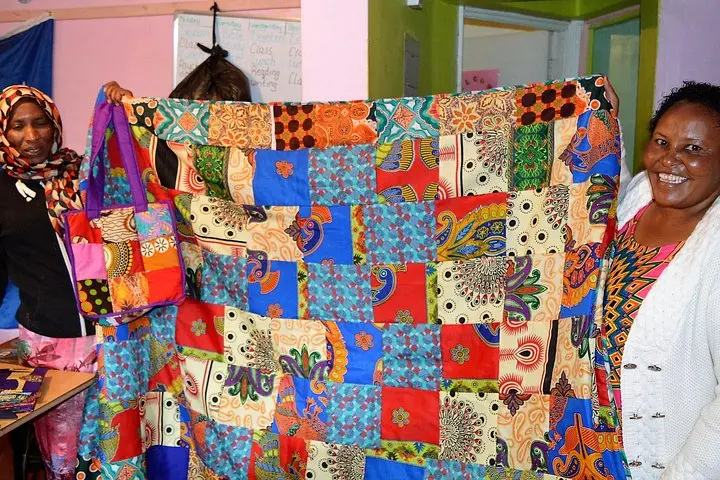
Time at the centre is intimate rather than scripted. You’ll watch tailoring classes, handle a length of hand-stitched fabric, learn beading techniques, or observe candle-making lines. A professional photographer-guide documents interactions with sensitivity and provides curated images afterward, a practical keepsake that also supports the centre’s outreach.
Beyond the workshops there are small rituals to note: the kettle for afternoon tea, the shared lunch table, the rhythm of negotiations over pricing for crafts. These everyday patterns reveal how local economies function at a human scale—how a bead or a seam can translate into school fees, rent paid, a child kept in school. The tour intentionally centers the women’s voices; you should be prepared to listen as much as observe.
Practical guidance: allow roughly six hours including hotel pickup and return to Nairobi. Comfortable, modest clothing is recommended—avoid flashy jewelry; these visits are about respectful exchange. Bring cash (small denominations) if you plan to buy crafts directly; card payments aren’t guaranteed. Hydrate before you arrive—Nairobi sun can be direct even when the air feels mild—and expect a mix of shaded and open areas.
This experience is low impact but high engagement: it offers cultural insight, practical learning, and direct economic support to local women. For travelers seeking meaning in a single day outside Nairobi, it’s a clear, grounded way to spend time that changes both visitor and host in quiet, measurable ways.
The experience runs about six hours including hotel pickup and drop-off within Nairobi.
Yes—infants and small children are welcome; the centre is stroller-accessible and activities are family-friendly.
Yes, artisans sell their work on site; bring small-denomination Kenyan shillings as card payments aren’t guaranteed.
Photography is allowed but ask permission for portraits; the tour includes a professional photographer who will share 10–20 images per guest.
Yes—the itinerary prioritizes personal interaction and storytelling; expect one-on-one conversations within the scheduled visit.
Light refreshments, tea/coffee and lunch are included—notify the operator of dietary restrictions during booking.
One Horizon Africa operates guided outdoor trips and adventures with an emphasis on safety, stewardship, and memorable experiences.
You arrive on a warm Nairobi morning and the city’s traffic thins as the road pushes west toward Ngong. The air shifts—dust gives way to a breath of eucalyptus and the silhouettes of the Ngong Hills loom like a deliberate, quiet audience. At the Women’s Empowerment Centre, a low building hums with sewing machines, the clack of beads, and the steady scrape of candle molds. Conversations start as introductions and become stories: single mothers who have rebuilt families, launched microbusinesses, and teach each other how to thrive.
You arrive on a warm Nairobi morning and the city’s traffic thins as the road pushes west toward Ngong. The air shifts—dust gives way to a breath of eucalyptus and the silhouettes of the Ngong Hills loom like a deliberate, quiet audience. At the Women’s Empowerment Centre, a low building hums with sewing machines, the clack of beads, and the steady scrape of candle molds. Conversations start as introductions and become stories: single mothers who have rebuilt families, launched microbusinesses, and teach each other how to thrive.
The centre is part social enterprise, part vocational school. It grew from grassroots efforts supported by One Horizon and local partners, modeled to give rent-free transitional housing, skills training and small-business mentorship. The surrounding landscape sits on the eastern edge of the Rift Valley escarpment; soil and small trees show the slow, patient geology that shaped Nairobi’s plains and the nearby Ngong Hills. Culturally, the visit offers a frank look at Kenyan family dynamics—how extended families operate, the pressures on single parents, and the role of women’s cooperatives as engines of resilience.
Time at the centre is intimate rather than scripted. You’ll watch tailoring classes, handle a length of hand-stitched fabric, learn beading techniques, or observe candle-making lines. A professional photographer-guide documents interactions with sensitivity and provides curated images afterward, a practical keepsake that also supports the centre’s outreach.
Beyond the workshops there are small rituals to note: the kettle for afternoon tea, the shared lunch table, the rhythm of negotiations over pricing for crafts. These everyday patterns reveal how local economies function at a human scale—how a bead or a seam can translate into school fees, rent paid, a child kept in school. The tour intentionally centers the women’s voices; you should be prepared to listen as much as observe.
Practical guidance: allow roughly six hours including hotel pickup and return to Nairobi. Comfortable, modest clothing is recommended—avoid flashy jewelry; these visits are about respectful exchange. Bring cash (small denominations) if you plan to buy crafts directly; card payments aren’t guaranteed. Hydrate before you arrive—Nairobi sun can be direct even when the air feels mild—and expect a mix of shaded and open areas.
This experience is low impact but high engagement: it offers cultural insight, practical learning, and direct economic support to local women. For travelers seeking meaning in a single day outside Nairobi, it’s a clear, grounded way to spend time that changes both visitor and host in quiet, measurable ways.