THE ADVENTURE COLLECTIVE® · Independent discovery and booking for outdoor travel

Walk the shaded approach to Meiji Shrine with a local guide, learn Shinto basics, try purification rituals and omikuji, and leave with a clearer sense of Japan’s spiritual traditions—all within 2–3 hours. Practical tips for timing, etiquette, and what to bring help you make the most of the visit.
Walk the shaded approach to Meiji Shrine with a local guide, learn Shinto basics, try purification rituals and omikuji, and leave with a clearer sense of Japan’s spiritual traditions—all within 2–3 hours. Practical tips for timing, etiquette, and what to bring help you make the most of the visit.
Stepping through the torii into Meiji Shrine, the city’s noise falls away and a cool canopy of trees seems to usher you forward. Guides lead small groups along gravel paths where cedar and zelkova trunks rise like pillars, and the temizuya basin glints as visitors pause to wash hands and steady their breath.
Verified experiences and guided adventures in the surrounding area.
Operated by Tokyo Shrine Cultural Walks · Tokyo, Tokyo
Stepping through the torii into Meiji Shrine, the city’s noise falls away and a cool canopy of trees seems to usher you forward. Guides lead small groups along gravel paths where cedar and zelkova trunks rise like pillars, and the temizuya basin glints as visitors pause to wash hands and steady their breath.
The shrine honors Emperor Meiji and Empress Shoken, established after the emperor’s death in 1912 and rebuilt following wartime destruction. The forest itself was planted in the early 20th century as part of a national project to create a contemplative green space—geology here matters only insofar as it drains cleanly into sculpted ponds and supports the moss and vines that cling to stone lanterns.
Beyond rituals, the site shows Tokyo’s layered history: samurai-era artifacts in museum displays, donation barrels stacked in bright rows, and the pulsing modernity of Harajuku a short walk away. Local guides explain the meaning behind two bows, two claps, one bow, the etiquette of offerings, and the omikuji fortunes tucked into winding paths.
Practical guidance: allow 2–3 hours for a relaxed tour that combines explanation with time to practice purification and write a wish on an ema. Wear comfortable, quiet shoes—gravel and wooden walkways dominate—and carry small coins for offerings. Mid-morning or late afternoon visits avoid the largest crowds; bring a light layer, as the forest keeps temperatures a few degrees cooler. Respect sacred spaces, follow your guide’s instructions during rituals, and keep camera use discreet during worship.
Yes—access to the shrine grounds is free; some adjacent museum areas or gardens may charge separate admission.
Yes—guides will demonstrate and invite participants to try the temizuya purification and the standard two-bows, two-claps, one-bow worship gesture.
Most guided cultural walks offered to international visitors are in English; check the booking description for language specifics or request a private-language tour if needed.
Photography is generally allowed outdoors; be respectful and avoid photographing people during private worship or inside designated sacred areas where signage prohibits it.
Tokyo Shrine Cultural Walks operates guided outdoor trips and adventures with an emphasis on safety, stewardship, and memorable experiences.
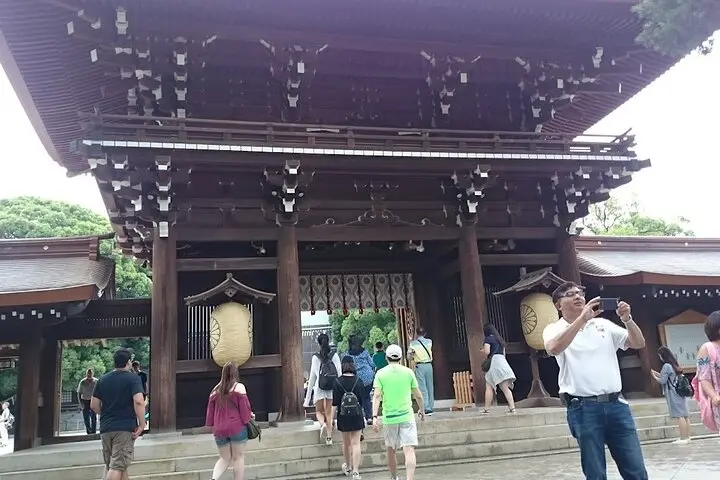
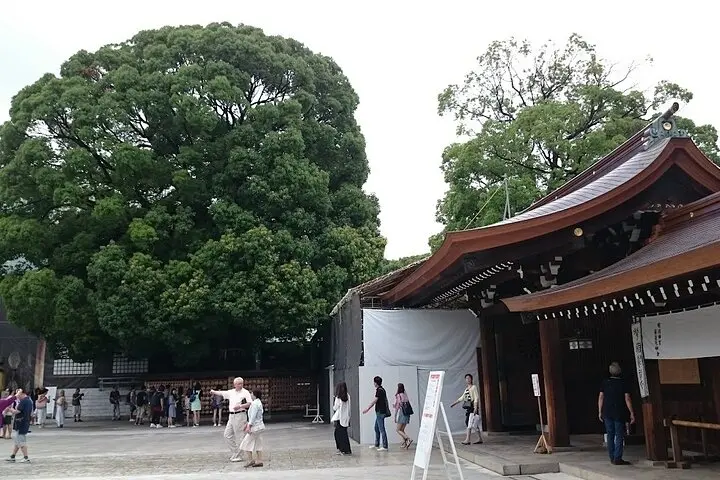
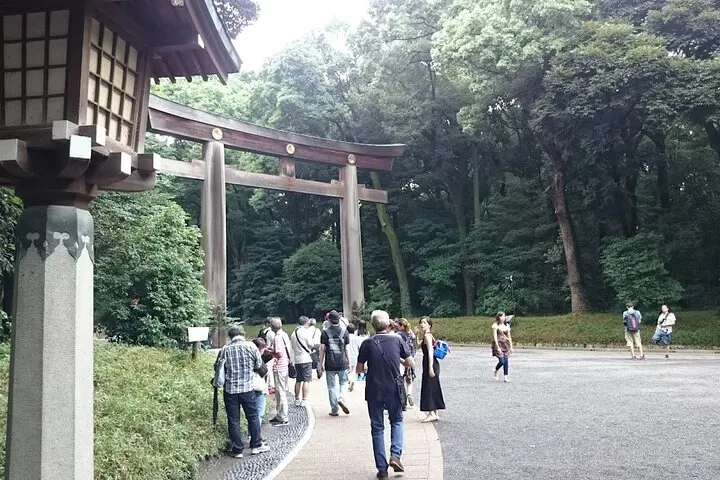
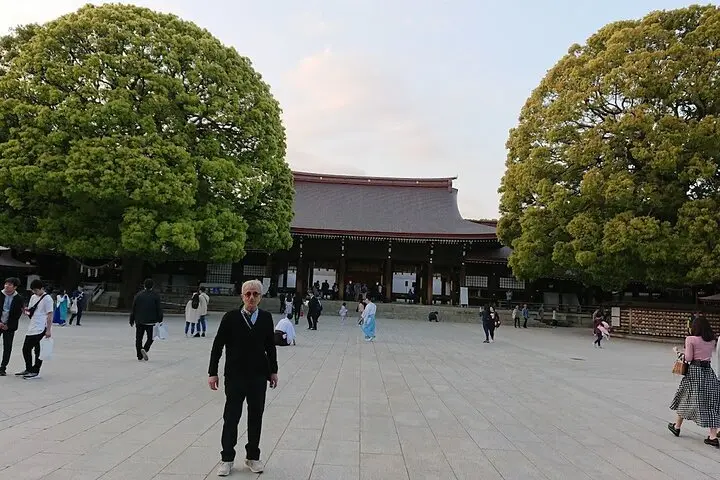
Stepping through the torii into Meiji Shrine, the city’s noise falls away and a cool canopy of trees seems to usher you forward. Guides lead small groups along gravel paths where cedar and zelkova trunks rise like pillars, and the temizuya basin glints as visitors pause to wash hands and steady their breath.
Stepping through the torii into Meiji Shrine, the city’s noise falls away and a cool canopy of trees seems to usher you forward. Guides lead small groups along gravel paths where cedar and zelkova trunks rise like pillars, and the temizuya basin glints as visitors pause to wash hands and steady their breath.
The shrine honors Emperor Meiji and Empress Shoken, established after the emperor’s death in 1912 and rebuilt following wartime destruction. The forest itself was planted in the early 20th century as part of a national project to create a contemplative green space—geology here matters only insofar as it drains cleanly into sculpted ponds and supports the moss and vines that cling to stone lanterns.
Beyond rituals, the site shows Tokyo’s layered history: samurai-era artifacts in museum displays, donation barrels stacked in bright rows, and the pulsing modernity of Harajuku a short walk away. Local guides explain the meaning behind two bows, two claps, one bow, the etiquette of offerings, and the omikuji fortunes tucked into winding paths.
Practical guidance: allow 2–3 hours for a relaxed tour that combines explanation with time to practice purification and write a wish on an ema. Wear comfortable, quiet shoes—gravel and wooden walkways dominate—and carry small coins for offerings. Mid-morning or late afternoon visits avoid the largest crowds; bring a light layer, as the forest keeps temperatures a few degrees cooler. Respect sacred spaces, follow your guide’s instructions during rituals, and keep camera use discreet during worship.