THE ADVENTURE COLLECTIVE® · Independent discovery and booking for outdoor travel

Dress in a traditional kimono and walk the tranquil approaches of Meiji Shrine with an English-speaking guide. This three-hour Shibuya experience blends cultural context, curated photo spots, and free time to wander the shrine grounds.
Dress in a traditional kimono and walk the tranquil approaches of Meiji Shrine with an English-speaking guide. This three-hour Shibuya experience blends cultural context, curated photo spots, and free time to wander the shrine grounds.
You step through the tall wooden torii and the city noise narrows to the hush of a planted forest that seems to breathe around you. Wearing a rented kimono, the fabrics move differently—every bow and footstep asks for a careful rhythm—while your English-speaking guide points out shrines, sake barrels, and quiet photo angles.
Verified experiences and guided adventures in the surrounding area.
Operated by Harajuku Kimono SHIBUI · Tokyo, Tokyo
You step through the tall wooden torii and the city noise narrows to the hush of a planted forest that seems to breathe around you. Wearing a rented kimono, the fabrics move differently—every bow and footstep asks for a careful rhythm—while your English-speaking guide points out shrines, sake barrels, and quiet photo angles.
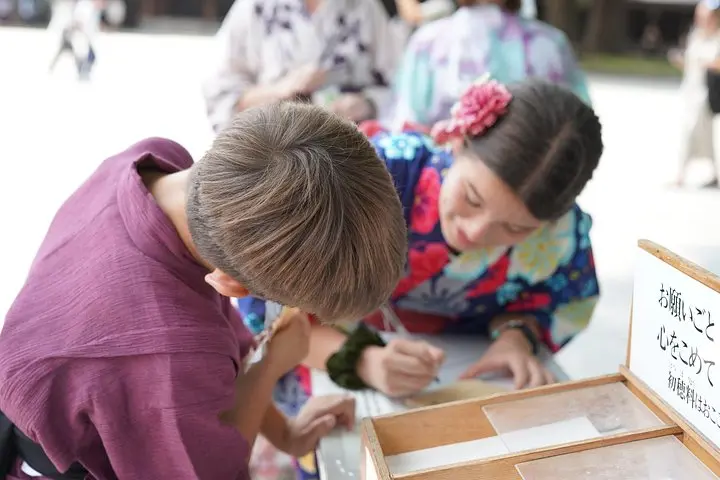
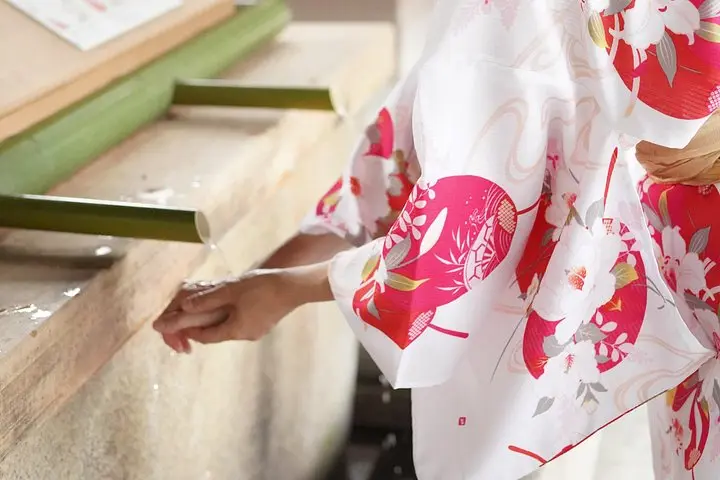
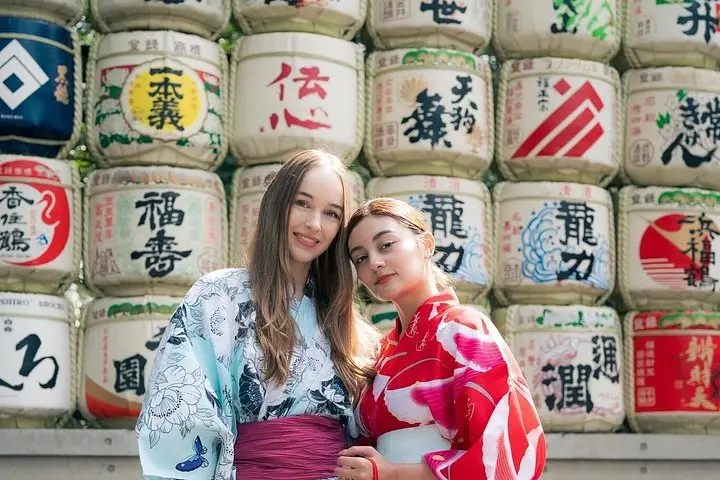
Meiji Shrine (Meiji Jingu) honors Emperor Meiji and Empress Shoken and opened in the early 20th century; the surrounding woodlands were planted with roughly 100,000 trees donated from across Japan, turning a former urban space into a deliberate green refuge. The site blends Edo–Meiji-era Shinto rituals with modern Tokyo life: purification at the temizuya, the neat rows of commemorative barrels, and the modest main hall where visitors offer prayers.
Expect a one-hour guided walk through six key spots—the torii, sake and wine barrels, the forest, the main shrine and prayer hall—followed by about 1 to 1.5 hours of free time to explore or visit the optional Inner Garden or Meiji Jingu Museum. The tour starts at a Harajuku kimono shop five minutes from the shrine; kimono rental and an English guide are included, hair styling extra.
Practical notes: wear a breathable layer under the kimono, use slip-on shoes for quick dressing, and carry a small bag for essentials. Morning or late-afternoon slots reduce crowds and soft light for photos. Respect shrine etiquette—speak quietly, follow the guide, and avoid stepping into sacred areas to help preserve this living cultural landscape.
Yes — kimono and basic accessories are included; optional hair styling is available for an extra fee.
The guide leads for about 50–60 minutes covering six key spots, then guests have roughly 1 to 1.5 hours of free time before returning to the shop.
Kimonos are available in a wide range of sizes for adults and children, but guests with specific mobility limitations should mention needs at booking.
Harajuku Station (JR) and Meiji-jingumae (Tokyo Metro) are within a short walk of both the shop and shrine.
Harajuku Kimono SHIBUI operates guided outdoor trips and adventures with an emphasis on safety, stewardship, and memorable experiences.
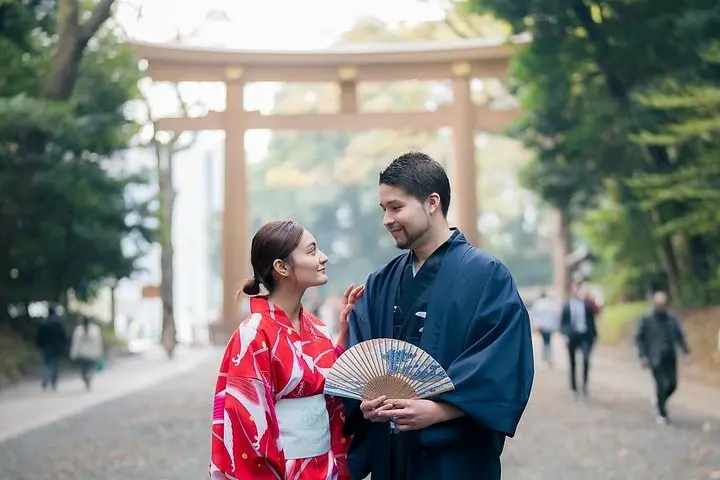
You step through the tall wooden torii and the city noise narrows to the hush of a planted forest that seems to breathe around you. Wearing a rented kimono, the fabrics move differently—every bow and footstep asks for a careful rhythm—while your English-speaking guide points out shrines, sake barrels, and quiet photo angles.
You step through the tall wooden torii and the city noise narrows to the hush of a planted forest that seems to breathe around you. Wearing a rented kimono, the fabrics move differently—every bow and footstep asks for a careful rhythm—while your English-speaking guide points out shrines, sake barrels, and quiet photo angles.
Meiji Shrine (Meiji Jingu) honors Emperor Meiji and Empress Shoken and opened in the early 20th century; the surrounding woodlands were planted with roughly 100,000 trees donated from across Japan, turning a former urban space into a deliberate green refuge. The site blends Edo–Meiji-era Shinto rituals with modern Tokyo life: purification at the temizuya, the neat rows of commemorative barrels, and the modest main hall where visitors offer prayers.
Expect a one-hour guided walk through six key spots—the torii, sake and wine barrels, the forest, the main shrine and prayer hall—followed by about 1 to 1.5 hours of free time to explore or visit the optional Inner Garden or Meiji Jingu Museum. The tour starts at a Harajuku kimono shop five minutes from the shrine; kimono rental and an English guide are included, hair styling extra.
Practical notes: wear a breathable layer under the kimono, use slip-on shoes for quick dressing, and carry a small bag for essentials. Morning or late-afternoon slots reduce crowds and soft light for photos. Respect shrine etiquette—speak quietly, follow the guide, and avoid stepping into sacred areas to help preserve this living cultural landscape.