THE ADVENTURE COLLECTIVE® · Independent discovery and booking for outdoor travel

Watch sunrise over Cai Rang, cycle quiet village lanes, and descend into the Cu Chi tunnels on a two-day route that pairs river commerce with wartime history. Early mornings, homestay hospitality, and narrow canals define the pace.
Watch sunrise over Cai Rang, cycle quiet village lanes, and descend into the Cu Chi tunnels on a two-day route that pairs river commerce with wartime history. Early mornings, homestay hospitality, and narrow canals define the pace.
Dawn light skims the Mekong as a wooden boat slips past leaning palms and rows of floating trade. On day one the landscape changes from the tunneled silence of Cu Chi’s wartime underworld to Son Islet’s small orchards and homestay bustle; on day two the river pulls visitors into the explosive early rhythm of Cai Rang floating market and the slow backwaters of Ben Tre.
Verified experiences and guided adventures in the surrounding area.
Operated by Fabulous Mekong Eco Tours · Can Tho, Can Tho
Dawn light skims the Mekong as a wooden boat slips past leaning palms and rows of floating trade. On day one the landscape changes from the tunneled silence of Cu Chi’s wartime underworld to Son Islet’s small orchards and homestay bustle; on day two the river pulls visitors into the explosive early rhythm of Cai Rang floating market and the slow backwaters of Ben Tre.
The Mekong Delta is an alluvial plain at sea level, carved by distributaries that have fed rice fields and riverine communities for centuries. Cai Rang’s market is part marketplace, part transport hub—boats tie up by produce, noodles, and kettles of coffee as traders hawk while the river moves them along. Cu Chi offers a stark counterpoint: a network of hand-dug tunnels and hidden kitchens that illustrate Viet Nam War-era guerrilla engineering.
Expect long transfers (HCMC–Cu Chi ~1.5 hrs; Cu Chi–Can Tho ~3.5 hrs) and early starts (floating market boats leave before sunrise; ~40–45 minutes to reach Cai Rang). Terrain is flat; navigation is by narrow wooden boats and short village bike rides. Practical prep: bring layered rain protection, cash in small notes, insect repellent, and a compact flashlight for tunnel exhibits. Hydrate often—the delta’s humidity can sap energy even on easy walks—and wear closed-toe shoes for homestay paths and the Cu Chi walkways.
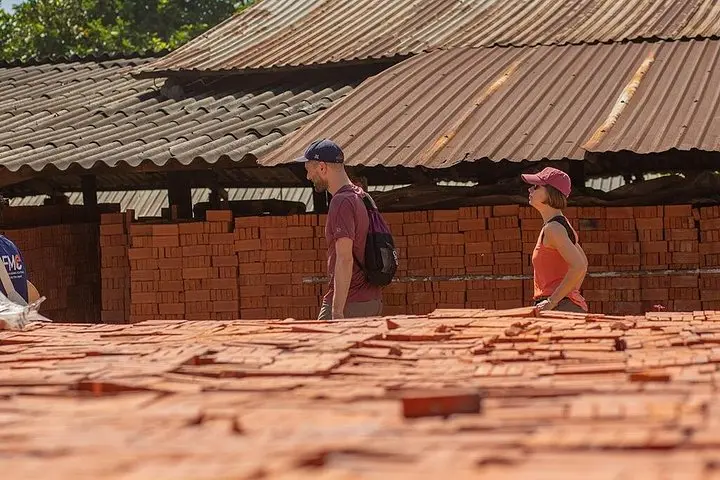
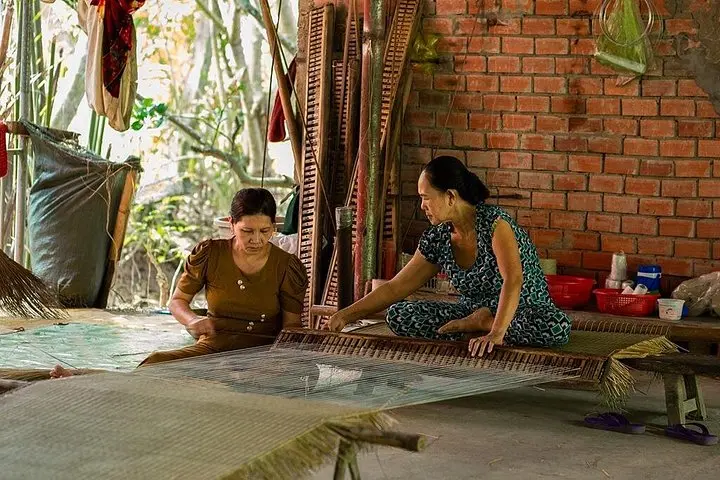
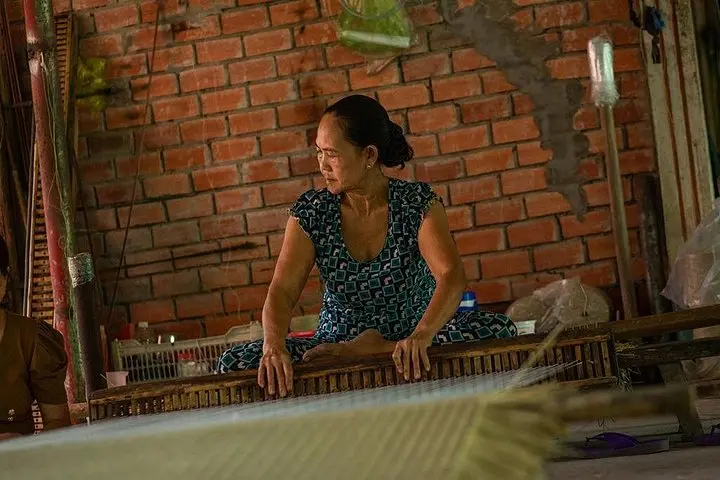
This two-day itinerary blends river life, practical cultural exchanges (rice-paper making, fish farms, mat weaving), and a historical site visit, making it ideal for travelers who want active cultural immersion without technical demands.
The itinerary typically picks up in Ho Chi Minh City for the first morning and includes an overnight in Can Tho, returning to Ho Chi Minh City on day two.
The on-site walk is short but uneven; you can view the site without crawling, making it accessible for most visitors who can handle low, narrow walkways.
Yes—small local vendors, market purchases, and some village activities usually accept only Vietnamese đồng in cash.
The tour includes breakfast and two lunches as listed and one homestay accommodation in Can Tho; check your booking for specifics and any optional upgrades.
Fabulous Mekong Eco Tours operates guided outdoor trips and adventures with an emphasis on safety, stewardship, and memorable experiences.

Dawn light skims the Mekong as a wooden boat slips past leaning palms and rows of floating trade. On day one the landscape changes from the tunneled silence of Cu Chi’s wartime underworld to Son Islet’s small orchards and homestay bustle; on day two the river pulls visitors into the explosive early rhythm of Cai Rang floating market and the slow backwaters of Ben Tre.
Dawn light skims the Mekong as a wooden boat slips past leaning palms and rows of floating trade. On day one the landscape changes from the tunneled silence of Cu Chi’s wartime underworld to Son Islet’s small orchards and homestay bustle; on day two the river pulls visitors into the explosive early rhythm of Cai Rang floating market and the slow backwaters of Ben Tre.
The Mekong Delta is an alluvial plain at sea level, carved by distributaries that have fed rice fields and riverine communities for centuries. Cai Rang’s market is part marketplace, part transport hub—boats tie up by produce, noodles, and kettles of coffee as traders hawk while the river moves them along. Cu Chi offers a stark counterpoint: a network of hand-dug tunnels and hidden kitchens that illustrate Viet Nam War-era guerrilla engineering.
Expect long transfers (HCMC–Cu Chi ~1.5 hrs; Cu Chi–Can Tho ~3.5 hrs) and early starts (floating market boats leave before sunrise; ~40–45 minutes to reach Cai Rang). Terrain is flat; navigation is by narrow wooden boats and short village bike rides. Practical prep: bring layered rain protection, cash in small notes, insect repellent, and a compact flashlight for tunnel exhibits. Hydrate often—the delta’s humidity can sap energy even on easy walks—and wear closed-toe shoes for homestay paths and the Cu Chi walkways.
This two-day itinerary blends river life, practical cultural exchanges (rice-paper making, fish farms, mat weaving), and a historical site visit, making it ideal for travelers who want active cultural immersion without technical demands.