THE ADVENTURE COLLECTIVE® · Independent discovery and booking for outdoor travel

Trace the Mekong’s commerce from Cai Be’s artisan river stalls to Cai Rang’s dawn market on this two-day journey. Expect boat rides, orchard walks, hands-on food demos, and a night in a local home village.
Trace the Mekong’s commerce from Cai Be’s artisan river stalls to Cai Rang’s dawn market on this two-day journey. Expect boat rides, orchard walks, hands-on food demos, and a night in a local home village.
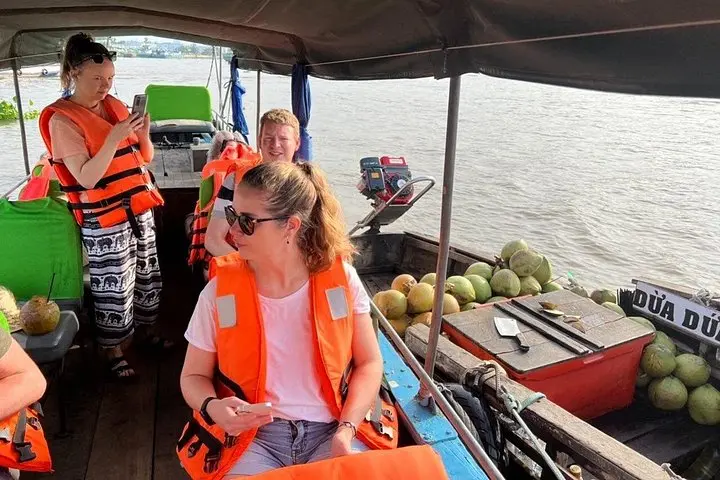
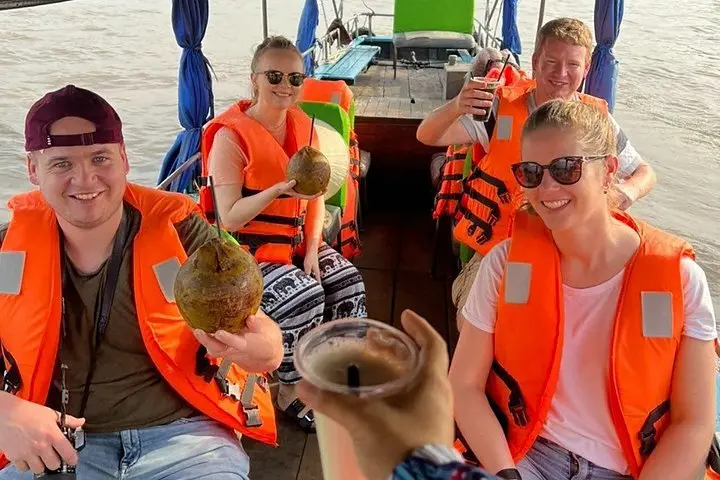
You step off the minivan where the Mekong widens and the river pushes the day along in brown-green currents. Long wooden boats drift like market stalls on water as vendors call out; the air smells of coconut candy and wet earth. On this two-day route from Cai Be to Can Tho you move from busy river trading to quieter canals, tasting local snacks and listening to southern folk songs that mark mornings on the delta.
Verified experiences and guided adventures in the surrounding area.
Operated by A Travel Mate And Trading Company Limited · Can Tho, Can Tho
You step off the minivan where the Mekong widens and the river pushes the day along in brown-green currents. Long wooden boats drift like market stalls on water as vendors call out; the air smells of coconut candy and wet earth. On this two-day route from Cai Be to Can Tho you move from busy river trading to quieter canals, tasting local snacks and listening to southern folk songs that mark mornings on the delta.
The Mekong Delta is young geologically—sediment piled by Asia’s great river builds islands and alters courses each year—so settlements and markets shift with the tides. Cai Be developed as a node where inland produce meets boatborne trade; Cai Rang evolved into the region’s largest floating market, a cultural hub where fruit sellers anchor by product and price flags. You’ll see rice-paper makers, coconut-candy kilns, and honey farms—small-scale industries that keep long-standing craft skills alive.
Expect simple rhythms: boat rides, short walks through orchards, a sampan row through narrow canals, and time in a local home village for the night. Practical notes: wear quick-dry clothes and closed shoes for walking village paths; bring sun protection and a light rain shell—the delta’s weather can change fast. Keep a few small bills for market purchases and tips; bottled water is available but a reusable bottle with a filter is handy.
Timing matters: arrive early for the Cai Rang market when trading is busiest, and carry a compact daypack for camera, snacks, and sunscreen. The tour balances observation and hands-on moments—expect a steady, sensory-paced introduction to life on the Mekong.
Visa requirements depend on your nationality—arrange any Vietnam visa or e-visa before travel; the tour operator handles local logistics but not immigration.
Accommodation is a home village arrangement with double/twin share by default; a single room is available for a surcharge if requested when booking.
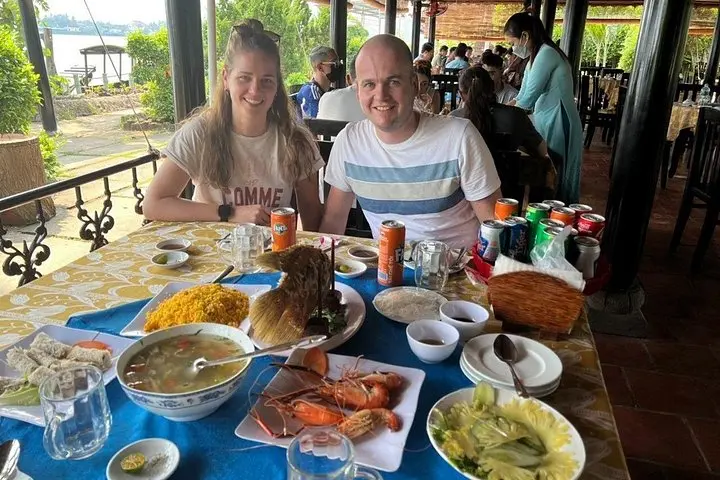
Yes—lunch on both days and dinner on day one plus breakfast at the homestay are included; expect local Vietnamese dishes and orchard fruit.
Expect multiple short boat transfers: river crossings, sampan rides in canals, and an early-morning motorboat for Cai Rang—total boat time varies but is spread across both days.
A Travel Mate And Trading Company Limited operates guided outdoor trips and adventures with an emphasis on safety, stewardship, and memorable experiences.

You step off the minivan where the Mekong widens and the river pushes the day along in brown-green currents. Long wooden boats drift like market stalls on water as vendors call out; the air smells of coconut candy and wet earth. On this two-day route from Cai Be to Can Tho you move from busy river trading to quieter canals, tasting local snacks and listening to southern folk songs that mark mornings on the delta.
You step off the minivan where the Mekong widens and the river pushes the day along in brown-green currents. Long wooden boats drift like market stalls on water as vendors call out; the air smells of coconut candy and wet earth. On this two-day route from Cai Be to Can Tho you move from busy river trading to quieter canals, tasting local snacks and listening to southern folk songs that mark mornings on the delta.
The Mekong Delta is young geologically—sediment piled by Asia’s great river builds islands and alters courses each year—so settlements and markets shift with the tides. Cai Be developed as a node where inland produce meets boatborne trade; Cai Rang evolved into the region’s largest floating market, a cultural hub where fruit sellers anchor by product and price flags. You’ll see rice-paper makers, coconut-candy kilns, and honey farms—small-scale industries that keep long-standing craft skills alive.
Expect simple rhythms: boat rides, short walks through orchards, a sampan row through narrow canals, and time in a local home village for the night. Practical notes: wear quick-dry clothes and closed shoes for walking village paths; bring sun protection and a light rain shell—the delta’s weather can change fast. Keep a few small bills for market purchases and tips; bottled water is available but a reusable bottle with a filter is handy.
Timing matters: arrive early for the Cai Rang market when trading is busiest, and carry a compact daypack for camera, snacks, and sunscreen. The tour balances observation and hands-on moments—expect a steady, sensory-paced introduction to life on the Mekong.