THE ADVENTURE COLLECTIVE® · Independent discovery and booking for outdoor travel

Float through the Mekong’s braided channels on a 3-day cruise from Cai Be to Can Tho, visiting floating markets, sampan-lined canals, and rural orchards. Expect guided village walks, folk music performances, and three onboard meals while overnighting in a comfortable cabin.
Float through the Mekong’s braided channels on a 3-day cruise from Cai Be to Can Tho, visiting floating markets, sampan-lined canals, and rural orchards. Expect guided village walks, folk music performances, and three onboard meals while overnighting in a comfortable cabin.
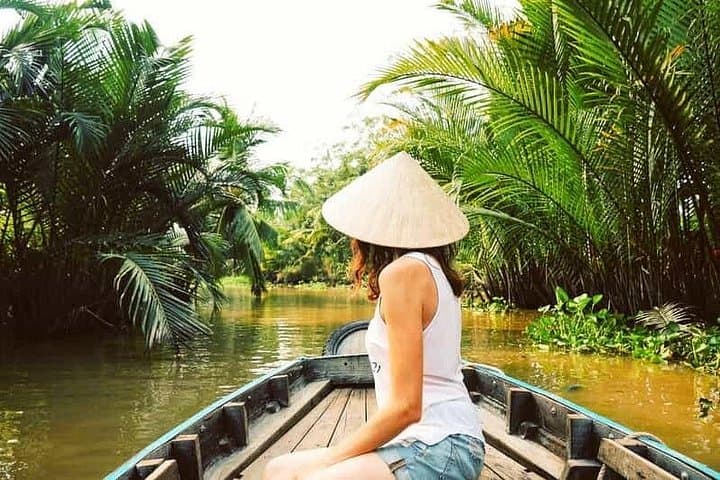
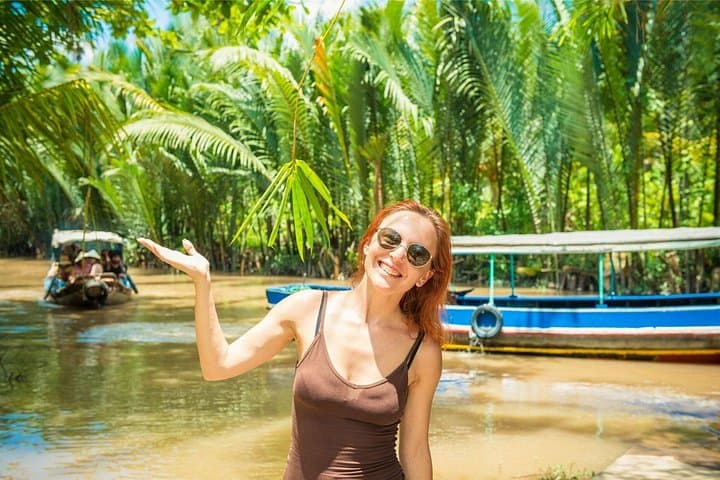
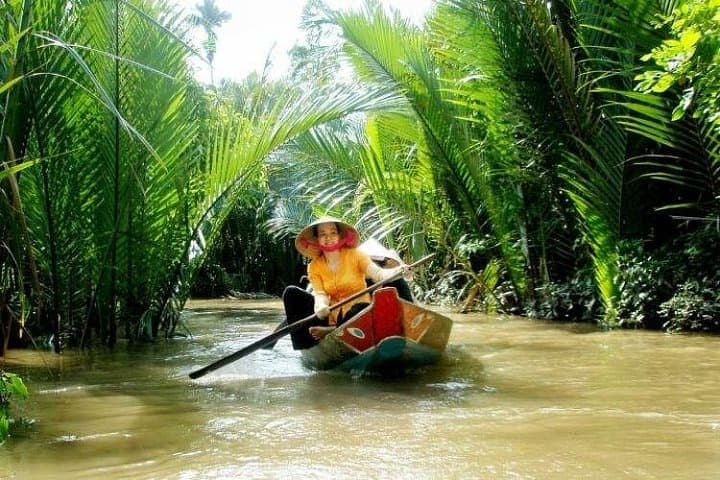
You step out onto the boat’s top deck as the river exhales a warm, humid breath—rafts of water hyacinth drift past, sampans thread narrow canals like needles, and a wooden stall hawks mangos at the edge of morning light.
Verified experiences and guided adventures in the surrounding area.
Operated by Red Gecko Travel · Can Tho, Cần Thơ
You step out onto the boat’s top deck as the river exhales a warm, humid breath—rafts of water hyacinth drift past, sampans thread narrow canals like needles, and a wooden stall hawks mangos at the edge of morning light.
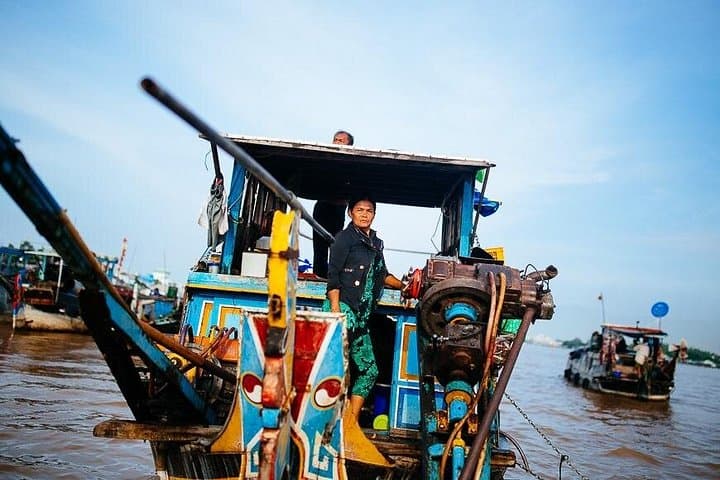
This 3-day, 2-night cruise follows the lower Mekong through Tien Giang and Can Tho provinces, where alluvial deposits from millennia have built a flat, fertile landscape known as Vietnam’s rice bowl. Floating markets grew here as commerce adapted to life on water; Cai Be and Cai Rang remain living examples of that riverine economy. Local culture is layered—southern folk music (Đờn ca tài tử), small family-run craft workshops on Tan Phong Island, and cuisine that favors fresh tropical fruit, river fish, and caramelized fish sauces.
Geologically simple but ecologically dense, the delta’s network of distributaries narrows into shaded canals and broadens into sunlit rice paddies. Expect guided sampan rides through backwaters, village walks, cycling on quiet dirt lanes, and early-morning visits to floating markets where sellers tie produce to poles to be seen from passing boats.
Practical guidance: bring layered, quick-dry clothing, a sun hat, and sturdy sandals or trainers for uneven village paths. Mornings are the busiest at markets—arrive early for the best light and calmer waters. Cabins on board provide basic comfort; sea or river motion can affect sensitive travelers—pack anti-nausea remedies if needed. Hydrate often in the delta’s heat, and carry small bills for market purchases and tipping local guides. Respect private property during village stops and minimize single-use plastics—the communities you visit depend on clean waterways and sustainable tourism practices.
The itinerary commonly starts with pickup in Ho Chi Minh City and runs Cai Be to Can Tho before returning to Saigon; check your booking for exact pickup and drop-off points.
Yes—early-morning sampan rides to floating markets like Cai Rang or Cai Be are scheduled and typically included in the program.
Yes—this cruise is rated easy and suitable for most ages, though those with serious cardiovascular issues are advised not to travel; cabins are modest and boarding requires some mobility.
Bring Vietnamese dong for market purchases and small tips; larger operators accept cards but local sellers prefer cash—carry small denominations.
Red Gecko Travel operates guided outdoor trips and adventures with an emphasis on safety, stewardship, and memorable experiences.
You step out onto the boat’s top deck as the river exhales a warm, humid breath—rafts of water hyacinth drift past, sampans thread narrow canals like needles, and a wooden stall hawks mangos at the edge of morning light.
You step out onto the boat’s top deck as the river exhales a warm, humid breath—rafts of water hyacinth drift past, sampans thread narrow canals like needles, and a wooden stall hawks mangos at the edge of morning light.
This 3-day, 2-night cruise follows the lower Mekong through Tien Giang and Can Tho provinces, where alluvial deposits from millennia have built a flat, fertile landscape known as Vietnam’s rice bowl. Floating markets grew here as commerce adapted to life on water; Cai Be and Cai Rang remain living examples of that riverine economy. Local culture is layered—southern folk music (Đờn ca tài tử), small family-run craft workshops on Tan Phong Island, and cuisine that favors fresh tropical fruit, river fish, and caramelized fish sauces.
Geologically simple but ecologically dense, the delta’s network of distributaries narrows into shaded canals and broadens into sunlit rice paddies. Expect guided sampan rides through backwaters, village walks, cycling on quiet dirt lanes, and early-morning visits to floating markets where sellers tie produce to poles to be seen from passing boats.
Practical guidance: bring layered, quick-dry clothing, a sun hat, and sturdy sandals or trainers for uneven village paths. Mornings are the busiest at markets—arrive early for the best light and calmer waters. Cabins on board provide basic comfort; sea or river motion can affect sensitive travelers—pack anti-nausea remedies if needed. Hydrate often in the delta’s heat, and carry small bills for market purchases and tipping local guides. Respect private property during village stops and minimize single-use plastics—the communities you visit depend on clean waterways and sustainable tourism practices.