THE ADVENTURE COLLECTIVE® · Independent discovery and booking for outdoor travel

Ride with local vendors at sunrise through Cai Rang’s bustling canals, visit a traditional noodle workshop, and cycle quiet country lanes to a garden lunch. This full-day trip blends the Mekong’s working waterways with hands-on food and fruit tasting.
Ride with local vendors at sunrise through Cai Rang’s bustling canals, visit a traditional noodle workshop, and cycle quiet country lanes to a garden lunch. This full-day trip blends the Mekong’s working waterways with hands-on food and fruit tasting.
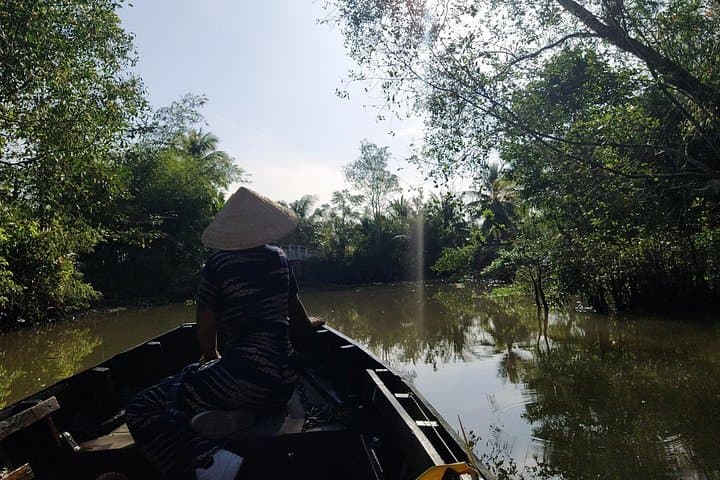
Dawn breaks over the Mekong and the river seems to wake with purpose—the wooden prows of trading boats carving mirrored lanes as vendors hoist fruit, noodles and steaming coffee. You ride a local boat into a mosaic of stilt houses and narrow canals, the river daring you to slow down and take its rhythm.
Verified experiences and guided adventures in the surrounding area.
Operated by Winter Spring Homestay · Can Tho, Can Tho
Dawn breaks over the Mekong and the river seems to wake with purpose—the wooden prows of trading boats carving mirrored lanes as vendors hoist fruit, noodles and steaming coffee. You ride a local boat into a mosaic of stilt houses and narrow canals, the river daring you to slow down and take its rhythm.
The Mekong Delta is an alluvial plain shaped by centuries of sediment and seasonal floods; its floating markets evolved as practical hubs where riverborne producers trade rice, vegetables and fruit. Cai Rang, the largest, hums with commerce and the scent of coconut water; Phong Dien offers a quieter, older market where mornings feel more intimate. Along the way you'll visit a family-run noodle and pho workshop and pedal through low, irrigated rice fields to a garden lunch—small-scale industry and subsistence agriculture still define daily life here.
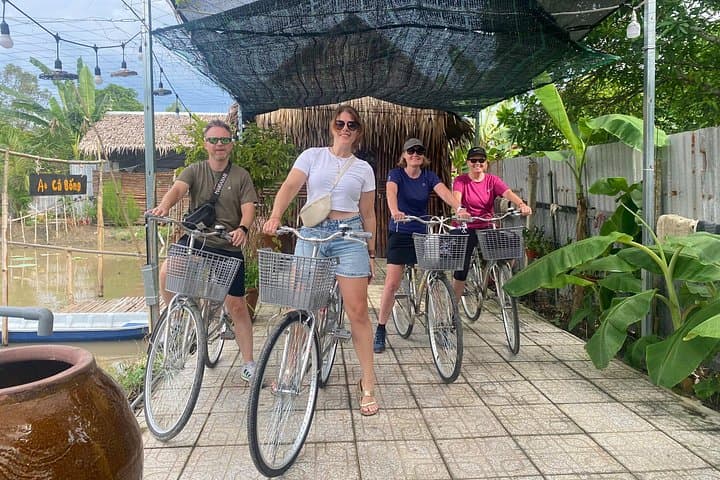
Expect flat waterways and sheltered canals, humid subtropical air, and an easy pace punctuated by bargaining and sampling fresh produce. Practical tips: book an early start for optimal light and market activity; bring cash in small bills for floating vendors; wear quick-dry clothing and a sun hat; protect electronics from spray. Cycling sections are on quiet rural tracks—basic bike fitness and steady balance required.
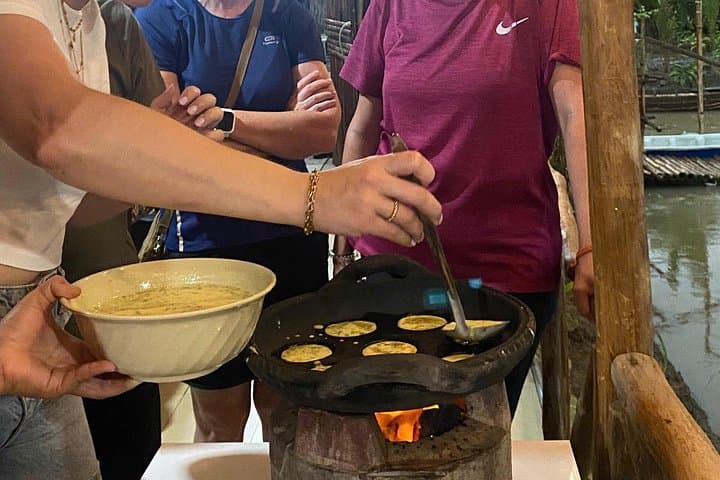
This is part cultural immersion, part gentle fieldwork: you will learn how noodles are made, taste seasonal tropical fruit, and see how the delta’s hydrology shapes livelihoods. Be prepared to move between boat, bike and garden kitchen; the experience rewards curiosity, patience, and a willingness to follow the river’s lead.
The full-day experience runs about 8 hours and typically departs very early (often before 6:00am) to catch the markets at their busiest.
Yes—large local boats are used and tours provide basic safety guidance, but keep children supervised and consider a personal floatation device if needed.
Breakfast at the floating market, fruit tastings, and a garden lunch with a cooking activity are included; dietary restrictions can usually be accommodated with advance notice.
Yes—most sellers are accustomed to visitors, but ask before close-up portraits and offer a polite nod or small purchase as thanks.
Winter Spring Homestay operates guided outdoor trips and adventures with an emphasis on safety, stewardship, and memorable experiences.
Dawn breaks over the Mekong and the river seems to wake with purpose—the wooden prows of trading boats carving mirrored lanes as vendors hoist fruit, noodles and steaming coffee. You ride a local boat into a mosaic of stilt houses and narrow canals, the river daring you to slow down and take its rhythm.
Dawn breaks over the Mekong and the river seems to wake with purpose—the wooden prows of trading boats carving mirrored lanes as vendors hoist fruit, noodles and steaming coffee. You ride a local boat into a mosaic of stilt houses and narrow canals, the river daring you to slow down and take its rhythm.
The Mekong Delta is an alluvial plain shaped by centuries of sediment and seasonal floods; its floating markets evolved as practical hubs where riverborne producers trade rice, vegetables and fruit. Cai Rang, the largest, hums with commerce and the scent of coconut water; Phong Dien offers a quieter, older market where mornings feel more intimate. Along the way you'll visit a family-run noodle and pho workshop and pedal through low, irrigated rice fields to a garden lunch—small-scale industry and subsistence agriculture still define daily life here.
Expect flat waterways and sheltered canals, humid subtropical air, and an easy pace punctuated by bargaining and sampling fresh produce. Practical tips: book an early start for optimal light and market activity; bring cash in small bills for floating vendors; wear quick-dry clothing and a sun hat; protect electronics from spray. Cycling sections are on quiet rural tracks—basic bike fitness and steady balance required.
This is part cultural immersion, part gentle fieldwork: you will learn how noodles are made, taste seasonal tropical fruit, and see how the delta’s hydrology shapes livelihoods. Be prepared to move between boat, bike and garden kitchen; the experience rewards curiosity, patience, and a willingness to follow the river’s lead.