
Men's Traditional Kimono Experience in Kyoto: Dress, Walk, Photograph
Dress in a traditional men's kimono and walk Kyoto’s historic lanes—an immersive cultural rental that combines careful dressing, street photography, and temple etiquette. Perfect for travelers who want authentic photos and a full-day cultural experience.
An Adventure In Kyoto.
Dress in a traditional men's kimono and walk Kyoto’s historic lanes—an immersive cultural rental that combines careful dressing, street photography, and temple etiquette. Perfect for travelers who want authentic photos and a full-day cultural experience.
Read the full experience
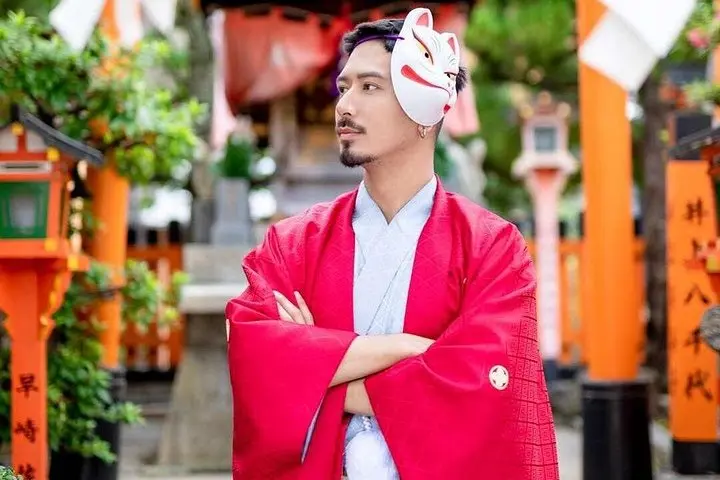
You step out of a narrow wooden shop into a lane of stone and paper lanterns, weight of silk and cotton settling across your shoulders as the city slows around you. Gion's timbered façades and temple gates frame the walk; a low river murmurs and seems to lean closer, inviting passersby to pause for a photograph.
You step out of a narrow wooden shop into a lane of stone and paper lanterns, weight of silk and cotton settling across your shoulders as the city slows around you. Gion's timbered façades and temple gates frame the walk; a low river murmurs and seems to lean closer, inviting passersby to pause for a photograph.
The kimono evolved over centuries of Japanese dress—Kyoto was the imperial and artisan heart where weaving, dyeing and formality were refined. Fabric choices, obi knots and footwear reflect social cues: the cut is pragmatic, the details deliberate. Kyoto’s streets and temple gardens sit on alluvial plains carved by rivers and human craft; the city’s stone lanes and mossed temple steps set a clear stage for traditional attire.
Expect a largely urban, low-impact excursion: staff fit you into kimono, obi and geta or zori, and offer basic translations and photography tips. You'll typically have the outfit for most of the day but must return items by the evening return time (check booking rules). Respect temple etiquette—remove shoes where required, speak softly, and avoid entering restricted interiors in full costume.
Practical guidance: reserve a size and height info in advance, bring a small wallet-sized phone strap for photos, and wear breathable base layers under silk in summer. Footwear takes getting used to—practice walking on stone and narrow lanes. For first-timers, allow an hour for dressing, then plan a 1–4 hour stroll through nearby shrines, alleys and parks. This is cultural walking with photographic payoff; pace your day around public-transport schedules and the shop’s return policy.
Frequently asked questions
Most shops offer full-day rentals with a required return by early evening—confirm the specific return time on booking (this listing indicates items must be returned before 6:00 PM).
Yes—shops provide traditional footwear (geta or zori); they’re fine for short urban walks but not for long hikes or uneven mountain trails.
Outdoor photography is usually allowed; indoor or sacred areas may restrict costumes—ask shop staff or shrine attendants before entering.
The activity is low-impact but not recommended for guests with spinal, heart, or pregnancy-related concerns; note the booking’s health advisories.
About This Experience
oukakimono operates guided outdoor trips and adventures with an emphasis on safety, stewardship, and memorable experiences.
Adventure tips
Recommended gear
- Breathable base layer (thin T-shirt): Keeps you comfortable under silk in warm months and wicks sweat during walks.
- Soft-soled socks or tabi: Traditional split-toe socks (tabi) improve comfort with zori/geta and protect feet on stone.
- Compact camera or phone strap: Secures your device for street photography while keeping hands free to adjust obi.
- Light scarf or shawl: Adds warmth on cool mornings without altering the kimono silhouette.
Photos of the experience



Related adventures & guides
Read the full experience
You step out of a narrow wooden shop into a lane of stone and paper lanterns, weight of silk and cotton settling across your shoulders as the city slows around you. Gion's timbered façades and temple gates frame the walk; a low river murmurs and seems to lean closer, inviting passersby to pause for a photograph.
You step out of a narrow wooden shop into a lane of stone and paper lanterns, weight of silk and cotton settling across your shoulders as the city slows around you. Gion's timbered façades and temple gates frame the walk; a low river murmurs and seems to lean closer, inviting passersby to pause for a photograph.
The kimono evolved over centuries of Japanese dress—Kyoto was the imperial and artisan heart where weaving, dyeing and formality were refined. Fabric choices, obi knots and footwear reflect social cues: the cut is pragmatic, the details deliberate. Kyoto’s streets and temple gardens sit on alluvial plains carved by rivers and human craft; the city’s stone lanes and mossed temple steps set a clear stage for traditional attire.
Expect a largely urban, low-impact excursion: staff fit you into kimono, obi and geta or zori, and offer basic translations and photography tips. You'll typically have the outfit for most of the day but must return items by the evening return time (check booking rules). Respect temple etiquette—remove shoes where required, speak softly, and avoid entering restricted interiors in full costume.
Practical guidance: reserve a size and height info in advance, bring a small wallet-sized phone strap for photos, and wear breathable base layers under silk in summer. Footwear takes getting used to—practice walking on stone and narrow lanes. For first-timers, allow an hour for dressing, then plan a 1–4 hour stroll through nearby shrines, alleys and parks. This is cultural walking with photographic payoff; pace your day around public-transport schedules and the shop’s return policy.
Make a day of it nearby.
Verified experiences and guided adventures in the surrounding area.