THE ADVENTURE COLLECTIVE® · Independent discovery and booking for outdoor travel

A spring or autumn climb of Mera Peak blends long teahouse trekking with a single non-technical glacier summit. Expect 17–19 days from Lukla, careful acclimatization, and wide Himalayan panoramas that include Everest and Makalu.
A spring or autumn climb of Mera Peak blends long teahouse trekking with a single non-technical glacier summit. Expect 17–19 days from Lukla, careful acclimatization, and wide Himalayan panoramas that include Everest and Makalu.
Dawn on the Lukla airstrip feels like a door opening onto a different sky. You rise with the valley mist, strap boots that have already carried you through rhododendron slopes, and begin the long, deliberate climb toward a glacier-creased skyline. Mera Peak (6,476 m / 21,247 ft) rewards the steady: from Khare and Mera High Camp the ridge softens into snow slopes that, while non-technical, demand respect for altitude and crevasse hazard.
Verified experiences and guided adventures in the surrounding area.
Operated by Accessible Adventure Pvt. Ltd · Lukla, Province No. 1
Dawn on the Lukla airstrip feels like a door opening onto a different sky. You rise with the valley mist, strap boots that have already carried you through rhododendron slopes, and begin the long, deliberate climb toward a glacier-creased skyline. Mera Peak (6,476 m / 21,247 ft) rewards the steady: from Khare and Mera High Camp the ridge softens into snow slopes that, while non-technical, demand respect for altitude and crevasse hazard.
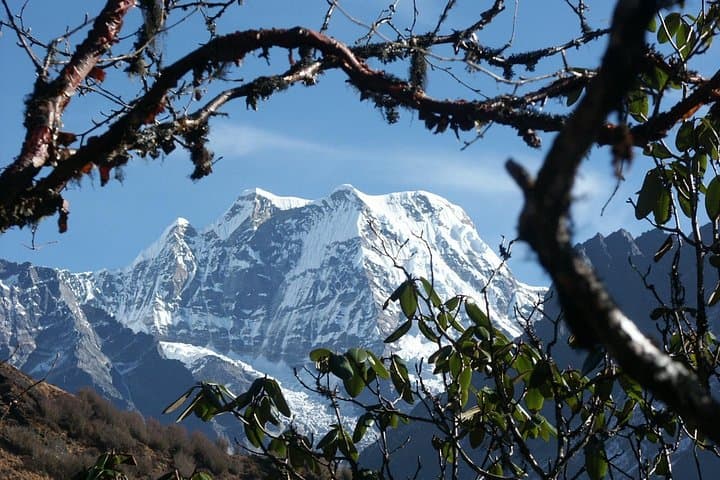
Geology here is recent and raw — uplifted granites and moraine fields carved by the Hinku glaciers. The route crosses Himalayan villages that keep Sherpa traditions and Buddhist gompas like Lungsumgba where climbers pause for incense and luck. The trek traverses Makalu Barun National Park, a biological pocket that shifts from dense pine and bamboo to alpine scrub and glacial bowls.
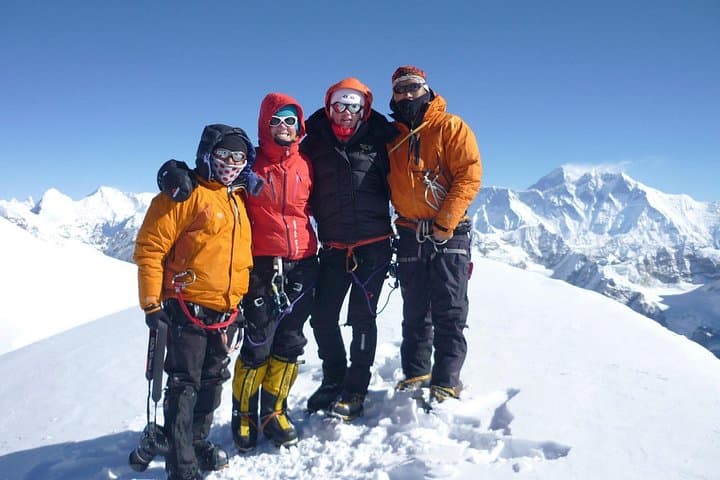
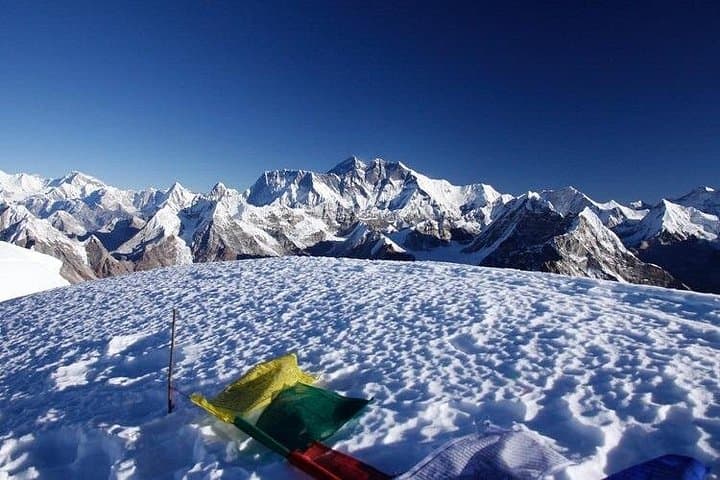
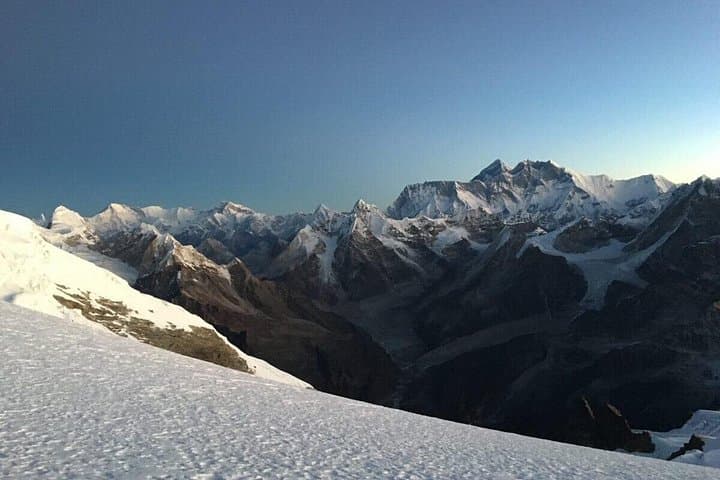
Practically, expect 17–19 days including Lukla flights, multiple teahouse nights, a few high-camp nights, and scheduled acclimatization and ice-practice days. The summit push is a long dawn start, roped travel with crampons and headlamps, and a slow, oxygen-thin gain before a panoramic payoff — Everest, Lhotse, Cho Oyu, Makalu and Kangchenjunga all pierce the horizon.
Plan for conservative pacing, strict hydration, and layered insulation; crevasses can open after fresh snow and weather can delay Lukla flights, so build buffer days. Guides typically provide group ropes and tents; novices should come with recent high-altitude trekking experience or complete the included ice-practice day. Mera Peak is crystalline and uncompromising: the mountain tests patience more than technique, and rewards the careful with one of the purest summit views in the Himalaya.
Mera Peak is considered a non-technical trekking peak on standard routes, but it involves glacier travel, crevasse risk, and steep snow sections requiring crampons and rope work.
Spring (April–May) and autumn (late September–November) are ideal for stable weather and visibility; monsoon brings snow and winter brings harsher cold and wind.
Yes — national park (Makalu Barun) and local permits are required; reputable operators handle permits and provide certified guides.
Altitude illness, crevasses after fresh snow, and Lukla flight cancellations are the main risks; proper acclimatization, group rope systems, and flexible scheduling mitigate these hazards.
Accessible Adventure Pvt. Ltd operates guided outdoor trips and adventures with an emphasis on safety, stewardship, and memorable experiences.
Dawn on the Lukla airstrip feels like a door opening onto a different sky. You rise with the valley mist, strap boots that have already carried you through rhododendron slopes, and begin the long, deliberate climb toward a glacier-creased skyline. Mera Peak (6,476 m / 21,247 ft) rewards the steady: from Khare and Mera High Camp the ridge softens into snow slopes that, while non-technical, demand respect for altitude and crevasse hazard.
Dawn on the Lukla airstrip feels like a door opening onto a different sky. You rise with the valley mist, strap boots that have already carried you through rhododendron slopes, and begin the long, deliberate climb toward a glacier-creased skyline. Mera Peak (6,476 m / 21,247 ft) rewards the steady: from Khare and Mera High Camp the ridge softens into snow slopes that, while non-technical, demand respect for altitude and crevasse hazard.
Geology here is recent and raw — uplifted granites and moraine fields carved by the Hinku glaciers. The route crosses Himalayan villages that keep Sherpa traditions and Buddhist gompas like Lungsumgba where climbers pause for incense and luck. The trek traverses Makalu Barun National Park, a biological pocket that shifts from dense pine and bamboo to alpine scrub and glacial bowls.
Practically, expect 17–19 days including Lukla flights, multiple teahouse nights, a few high-camp nights, and scheduled acclimatization and ice-practice days. The summit push is a long dawn start, roped travel with crampons and headlamps, and a slow, oxygen-thin gain before a panoramic payoff — Everest, Lhotse, Cho Oyu, Makalu and Kangchenjunga all pierce the horizon.
Plan for conservative pacing, strict hydration, and layered insulation; crevasses can open after fresh snow and weather can delay Lukla flights, so build buffer days. Guides typically provide group ropes and tents; novices should come with recent high-altitude trekking experience or complete the included ice-practice day. Mera Peak is crystalline and uncompromising: the mountain tests patience more than technique, and rewards the careful with one of the purest summit views in the Himalaya.