THE ADVENTURE COLLECTIVE® · Independent discovery and booking for outdoor travel

Combine an early-morning Merapi sunrise with an adrenaline-charged descent into Jomblang Cave on a private jeep tour from Yogyakarta. Expect a long, full-day outing that pairs panoramic volcanic views with guided caving and a 25–30m rappel.
Combine an early-morning Merapi sunrise with an adrenaline-charged descent into Jomblang Cave on a private jeep tour from Yogyakarta. Expect a long, full-day outing that pairs panoramic volcanic views with guided caving and a 25–30m rappel.
Before first light, a convoy of jeeps rumbles north toward Merapi—the volcano breathes steam like a living landmark, pushing clouds across the sky as light eases up the slope. Travelers watch the horizon turn color from a rugged ridge near Kaliurang, then drive south to Gunung Kidul where Jomblang Cave yawns: a vertical shaft that drops into a dim chamber laced with roots and a beam of sky.
Verified experiences and guided adventures in the surrounding area.
Operated by Asia Advisor by Asni · Yogyakarta, Special Region of Yogyakarta
Before first light, a convoy of jeeps rumbles north toward Merapi—the volcano breathes steam like a living landmark, pushing clouds across the sky as light eases up the slope. Travelers watch the horizon turn color from a rugged ridge near Kaliurang, then drive south to Gunung Kidul where Jomblang Cave yawns: a vertical shaft that drops into a dim chamber laced with roots and a beam of sky.
Geology here is dramatic and recent. Merapi is Indonesia’s most active stratovolcano with frequent eruptions since the 16th century; its lava fields shape local roads and the jeep tracks that skirt old flows. Jomblang is a karst collapse feature—a sinkhole that exposes a collapsed chamber and a forest pocket below that preserves cooler, damp microclimates.
Local culture frames both sites. Guides from Yogyakarta combine volcanic lore and caving technique; nearby villages still practice farming on volcanic soil and serve strong coffee and packed lunches before or after the tour.
Practical guidance: the combined day is long (roughly 12 hours) and requires early pickup (around 3:30 AM). Jomblang includes a guided 25–30m rappel on harnessed ropes into the shaft—equipment and instruction are provided, but those with heart or respiratory conditions should avoid it. Wear grippy shoes, bring layers and a rain shell, and pack a change of clothes—the cave is damp and post-rapel clothing gets wet.
Timing matters—sunrise at Merapi is best on clear mornings; visibility can be affected by ash or haze. Respect safety briefings, listen to guides, and leave no trace: these landscapes recover slowly from foot traffic and vehicle access.
Pickup is typically around 3:30 AM to reach Merapi for sunrise and still have time for Jomblang Cave; early departures are necessary for daylight and operational schedules.
Yes—rappels are guided with equipment provided, but participants should be comfortable with heights and following rope-safety instructions; those with certain health conditions should not participate.
Most private tours include hotel pickup/return in Yogyakarta, jeep transport for Merapi, caving equipment and guide, bottled water, and a packed lunch—confirm specifics with the operator.
Yes—visibility at Merapi can be affected by ash, fog or rain, and cave activity can be altered for safety reasons; operators will adjust the itinerary or reschedule if necessary.
Asia Advisor by Asni operates guided outdoor trips and adventures with an emphasis on safety, stewardship, and memorable experiences.

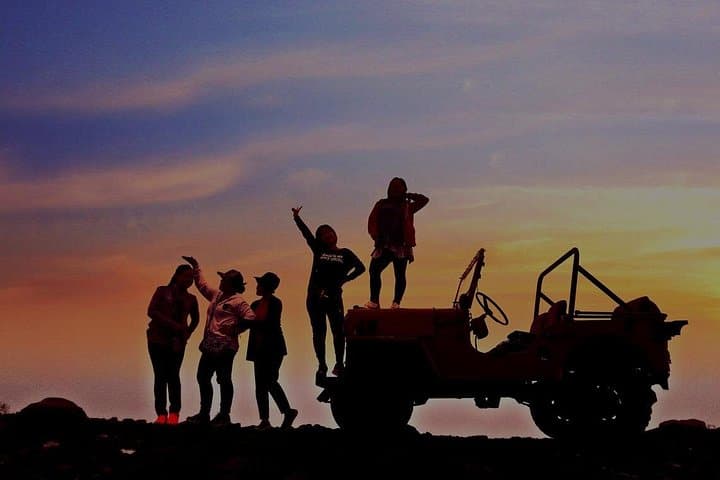


Before first light, a convoy of jeeps rumbles north toward Merapi—the volcano breathes steam like a living landmark, pushing clouds across the sky as light eases up the slope. Travelers watch the horizon turn color from a rugged ridge near Kaliurang, then drive south to Gunung Kidul where Jomblang Cave yawns: a vertical shaft that drops into a dim chamber laced with roots and a beam of sky.
Before first light, a convoy of jeeps rumbles north toward Merapi—the volcano breathes steam like a living landmark, pushing clouds across the sky as light eases up the slope. Travelers watch the horizon turn color from a rugged ridge near Kaliurang, then drive south to Gunung Kidul where Jomblang Cave yawns: a vertical shaft that drops into a dim chamber laced with roots and a beam of sky.
Geology here is dramatic and recent. Merapi is Indonesia’s most active stratovolcano with frequent eruptions since the 16th century; its lava fields shape local roads and the jeep tracks that skirt old flows. Jomblang is a karst collapse feature—a sinkhole that exposes a collapsed chamber and a forest pocket below that preserves cooler, damp microclimates.
Local culture frames both sites. Guides from Yogyakarta combine volcanic lore and caving technique; nearby villages still practice farming on volcanic soil and serve strong coffee and packed lunches before or after the tour.
Practical guidance: the combined day is long (roughly 12 hours) and requires early pickup (around 3:30 AM). Jomblang includes a guided 25–30m rappel on harnessed ropes into the shaft—equipment and instruction are provided, but those with heart or respiratory conditions should avoid it. Wear grippy shoes, bring layers and a rain shell, and pack a change of clothes—the cave is damp and post-rapel clothing gets wet.
Timing matters—sunrise at Merapi is best on clear mornings; visibility can be affected by ash or haze. Respect safety briefings, listen to guides, and leave no trace: these landscapes recover slowly from foot traffic and vehicle access.