THE ADVENTURE COLLECTIVE® · Independent discovery and booking for outdoor travel

Walk the streets that shaped Glasgow’s music — a two-hour guided tour through Merchant City and the East End, visiting old halls, legendary pubs and muraled pathways. Expect lively anecdotes, short stops at iconic venues, and a finish at Mono Café Bar with a food discount.
Walk the streets that shaped Glasgow’s music — a two-hour guided tour through Merchant City and the East End, visiting old halls, legendary pubs and muraled pathways. Expect lively anecdotes, short stops at iconic venues, and a finish at Mono Café Bar with a food discount.
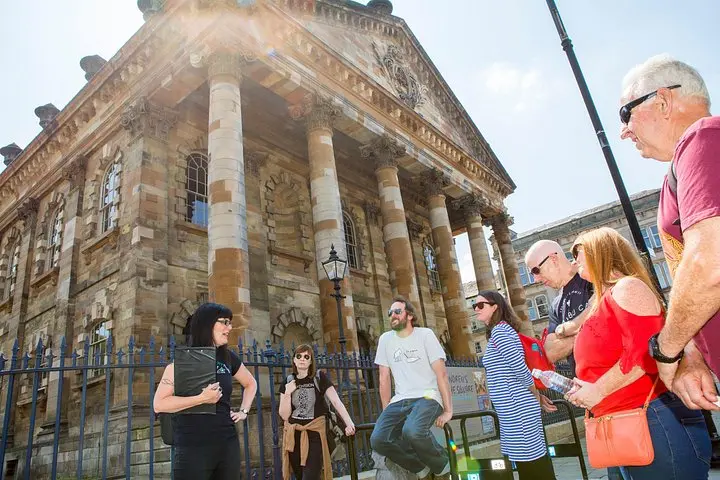
The tour begins on a crisp Glasgow street where cobbles seem to hum and the Clyde, a short stride away, nudges the city with history. Guides lead a small group past murals and neon-lit pub fronts; buskers thread stray chords through alleyways as the story of Glasgow’s music scene unfolds.
Verified experiences and guided adventures in the surrounding area.
Operated by Glasgow Music City Tours · Glasgow, Scotland
The tour begins on a crisp Glasgow street where cobbles seem to hum and the Clyde, a short stride away, nudges the city with history. Guides lead a small group past murals and neon-lit pub fronts; buskers thread stray chords through alleyways as the story of Glasgow’s music scene unfolds.
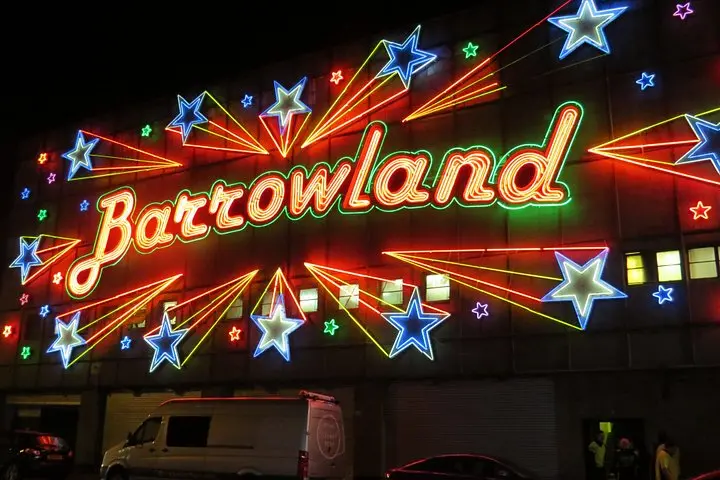
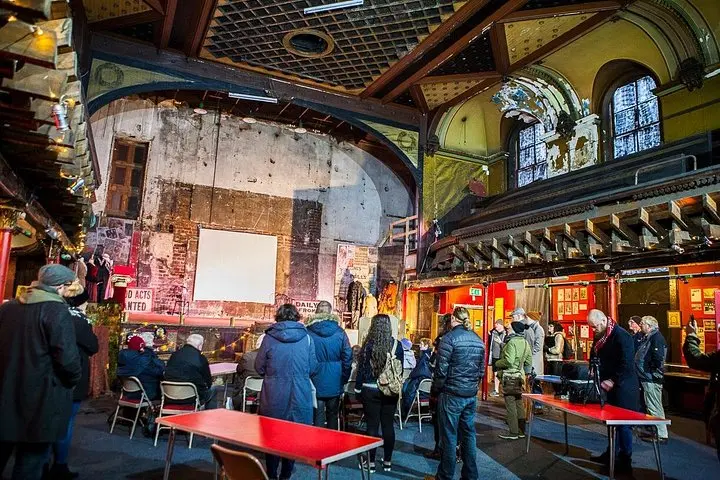
Merchant City was once the heartbeat of 18th- and 19th-century trade — warehouses and merchants’ houses built of local sandstone that now cast long, amber shadows over venues where generations of bands have played. The geology is urban: reclaimed docks, river terraces, and compact streets that shaped how crowds gather and sound travels. Culturally, this is where Postcard Records rubbed shoulders with working-class pubs, where the Barrowland Ballroom and Britannia Panopticon became stages for the city’s restless talent.
Practical guidance follows the narrative: expect a two-hour, primarily flat walk of roughly 1.5–2.5 km with multiple short stops at historic venues and public artworks. Wear sturdy, comfortable shoes — slick cobbles can be tricky in rain — and layer for changeable weather; the tour runs in all conditions. Public transport links are nearby, and guides finish at Mono Café Bar where participants receive a 20% food discount.
This tour blends urban history, live-music lore, and practical local insight — ideal for visitors wanting an informed, walkable primer on why Glasgow’s music scene sounds like nowhere else.
The guided walk lasts about two hours and covers roughly 1.5–2.5 km with multiple short stops at venues and public artworks.
The route is generally flat and stroller-accessible, but contact the operator ahead to discuss specific mobility needs.
No—this tour is a guided walk with external stops and stories; entry fees are not included, though some venues may offer optional entry on your own.
The tour operates in all weather; guides recommend dressing in layers and wearing waterproofs as needed. Cancelation policies follow the booking terms.
Glasgow Music City Tours operates guided outdoor trips and adventures with an emphasis on safety, stewardship, and memorable experiences.

The tour begins on a crisp Glasgow street where cobbles seem to hum and the Clyde, a short stride away, nudges the city with history. Guides lead a small group past murals and neon-lit pub fronts; buskers thread stray chords through alleyways as the story of Glasgow’s music scene unfolds.
The tour begins on a crisp Glasgow street where cobbles seem to hum and the Clyde, a short stride away, nudges the city with history. Guides lead a small group past murals and neon-lit pub fronts; buskers thread stray chords through alleyways as the story of Glasgow’s music scene unfolds.
Merchant City was once the heartbeat of 18th- and 19th-century trade — warehouses and merchants’ houses built of local sandstone that now cast long, amber shadows over venues where generations of bands have played. The geology is urban: reclaimed docks, river terraces, and compact streets that shaped how crowds gather and sound travels. Culturally, this is where Postcard Records rubbed shoulders with working-class pubs, where the Barrowland Ballroom and Britannia Panopticon became stages for the city’s restless talent.
Practical guidance follows the narrative: expect a two-hour, primarily flat walk of roughly 1.5–2.5 km with multiple short stops at historic venues and public artworks. Wear sturdy, comfortable shoes — slick cobbles can be tricky in rain — and layer for changeable weather; the tour runs in all conditions. Public transport links are nearby, and guides finish at Mono Café Bar where participants receive a 20% food discount.
This tour blends urban history, live-music lore, and practical local insight — ideal for visitors wanting an informed, walkable primer on why Glasgow’s music scene sounds like nowhere else.