THE ADVENTURE COLLECTIVE® · Independent discovery and booking for outdoor travel

Spend a half day in a 4x4 around Merzouga visiting Sijilmassa ruins, the Rissani market, seasonal Dayet Srji lake, and a Berber family for lunch and tea. Ideal if you want a compact cultural and geological overview of the Sahara without overnight camping.
Spend a half day in a 4x4 around Merzouga visiting Sijilmassa ruins, the Rissani market, seasonal Dayet Srji lake, and a Berber family for lunch and tea. Ideal if you want a compact cultural and geological overview of the Sahara without overnight camping.
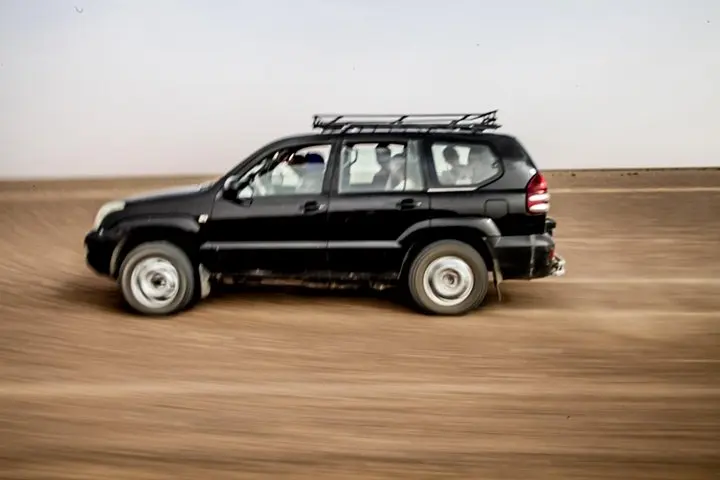
You climb into a shaded 4x4 as the sun shoulders up over the hamlets outside Merzouga, the vehicle's suspension absorbing the first washboard tracks. Dust lifts in slow curtains; palms and low scrub flash past. The driver guides you toward a line of low dunes and flat salt pans where the map of the Sahara opens and the day's rhythm—markets, ruins, oases, a family tent—unfolds.
Verified experiences and guided adventures in the surrounding area.
Operated by 3t Travel · Merzouga, Errachidia
You climb into a shaded 4x4 as the sun shoulders up over the hamlets outside Merzouga, the vehicle's suspension absorbing the first washboard tracks. Dust lifts in slow curtains; palms and low scrub flash past. The driver guides you toward a line of low dunes and flat salt pans where the map of the Sahara opens and the day's rhythm—markets, ruins, oases, a family tent—unfolds.
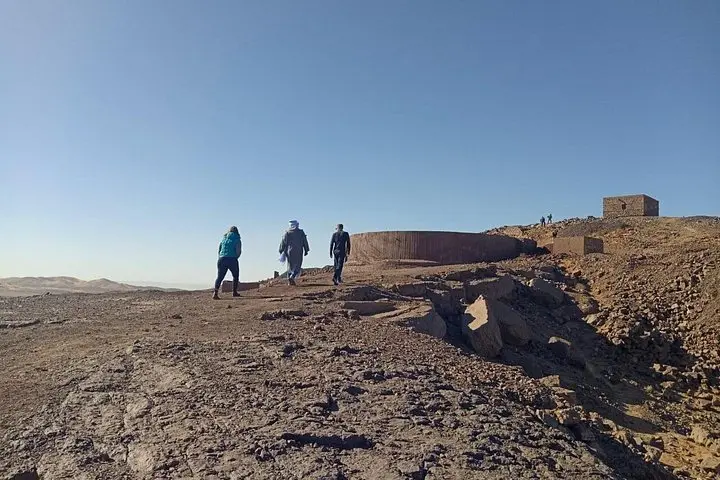
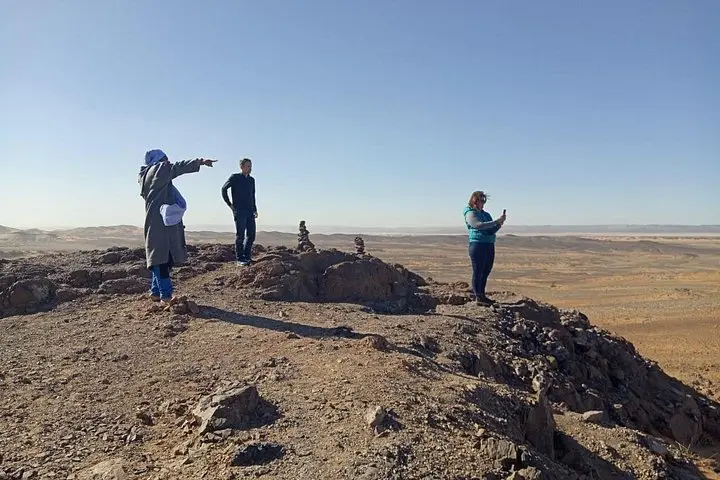
This route threads human history through desert geology. Sijilmassa sits nearby as a once-powerful caravan hub on the trans-Saharan trade routes; telltale mudbrick foundations and kasbah structures mark where commerce and culture met. The area's geology is a study in contrasts: wind-sculpted Erg Chebbi dunes give way to gravel hammada and seasonal playa lakes like Dayet Srji, which appear only after rains. In villages such as El Khamlia you encounter Gnawa musicians who carry West African rhythms that traveled with traders centuries ago.
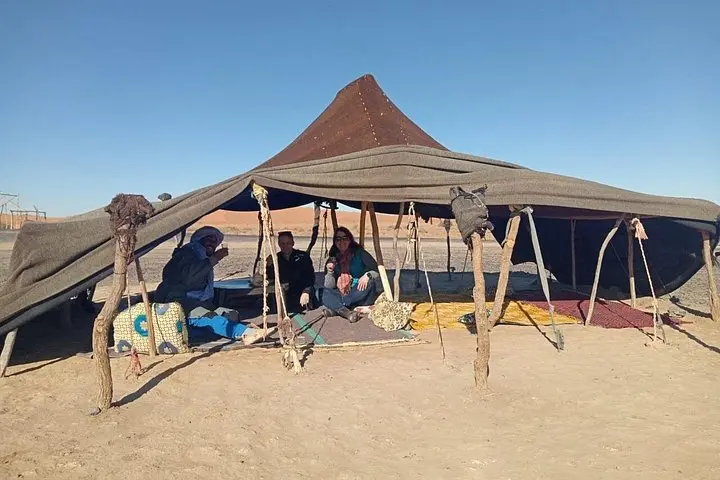
Practically, expect a 5–7 hour, vehicle-led excursion with short on-foot visits—market lanes, a lakeshore if water is present, a tented Berber tea stop and a sit-down lunch. Wear sun-protective clothing, sturdy shoes for short walks, and carry water and a camera with a fast shutter for high-contrast light. If you want photographs of villagers and musicians, ask permission first; a polite request goes a long way. The tour offers hotel pickup and drop-off and is wheelchair-accessible for vehicle portions, though some stops involve uneven ground. Plan for heat mid-day, and consider morning departures for softer light and cooler temperatures. This half-day compresses geological textures, living culture, and trade-route history into a compact, straightforward Sahara experience.
No — Dayet Srji is seasonal and appears after sufficient winter/spring rains; when dry the tour views the lakebed and surrounding salt flats.
Yes — small shops, craft sellers and musicians typically accept cash; Moroccan dirham is preferred and small bills are helpful.
Vehicle portions are accessible and infant seats are available, but some stops involve uneven ground; check with the operator about specific mobility needs before booking.
Lunch is included—contact the operator in advance to request vegetarian, halal or allergy accommodations so they can prepare accordingly.
3t Travel operates guided outdoor trips and adventures with an emphasis on safety, stewardship, and memorable experiences.
You climb into a shaded 4x4 as the sun shoulders up over the hamlets outside Merzouga, the vehicle's suspension absorbing the first washboard tracks. Dust lifts in slow curtains; palms and low scrub flash past. The driver guides you toward a line of low dunes and flat salt pans where the map of the Sahara opens and the day's rhythm—markets, ruins, oases, a family tent—unfolds.
You climb into a shaded 4x4 as the sun shoulders up over the hamlets outside Merzouga, the vehicle's suspension absorbing the first washboard tracks. Dust lifts in slow curtains; palms and low scrub flash past. The driver guides you toward a line of low dunes and flat salt pans where the map of the Sahara opens and the day's rhythm—markets, ruins, oases, a family tent—unfolds.
This route threads human history through desert geology. Sijilmassa sits nearby as a once-powerful caravan hub on the trans-Saharan trade routes; telltale mudbrick foundations and kasbah structures mark where commerce and culture met. The area's geology is a study in contrasts: wind-sculpted Erg Chebbi dunes give way to gravel hammada and seasonal playa lakes like Dayet Srji, which appear only after rains. In villages such as El Khamlia you encounter Gnawa musicians who carry West African rhythms that traveled with traders centuries ago.
Practically, expect a 5–7 hour, vehicle-led excursion with short on-foot visits—market lanes, a lakeshore if water is present, a tented Berber tea stop and a sit-down lunch. Wear sun-protective clothing, sturdy shoes for short walks, and carry water and a camera with a fast shutter for high-contrast light. If you want photographs of villagers and musicians, ask permission first; a polite request goes a long way. The tour offers hotel pickup and drop-off and is wheelchair-accessible for vehicle portions, though some stops involve uneven ground. Plan for heat mid-day, and consider morning departures for softer light and cooler temperatures. This half-day compresses geological textures, living culture, and trade-route history into a compact, straightforward Sahara experience.