THE ADVENTURE COLLECTIVE® · Independent discovery and booking for outdoor travel

Cross the High Atlas, explore Ait Benhaddou and Todra Gorge, then ride camels into Erg Chebbi for sunset, a star-filled bivouac and sunrise over the dunes. Practical, culture-rich and accessible for most travelers.
Cross the High Atlas, explore Ait Benhaddou and Todra Gorge, then ride camels into Erg Chebbi for sunset, a star-filled bivouac and sunrise over the dunes. Practical, culture-rich and accessible for most travelers.
The dune sea of Erg Chebbi rises like a warm, moving landscape as your convoy slips out of the High Atlas at dawn. Wind-polished ridges bleed gold into shadow; a string of camels rocks forward while guides call softly, and the evening sky slides from burnished orange to a dome of stars.
Verified experiences and guided adventures in the surrounding area.
Operated by morocco private trips · Merzouga, Drâa-Tafilalet
The dune sea of Erg Chebbi rises like a warm, moving landscape as your convoy slips out of the High Atlas at dawn. Wind-polished ridges bleed gold into shadow; a string of camels rocks forward while guides call softly, and the evening sky slides from burnished orange to a dome of stars.
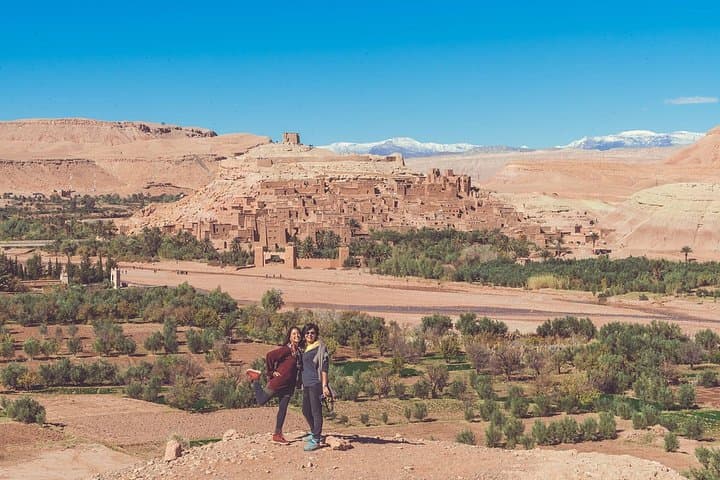
This three-day route threads Morocco’s varied geography and history: the Tichka Pass slices the Atlas with its slate and red sandstone, Ait Benhaddou stands as fortified mud-brick cinema set from old caravan routes, and the Todra Gorges reveal a river’s slow power carving limestone canyons. Berber communities and nomadic traditions still shape food, music and tent life; nights in a riad and then a Berber bivouac give both town-and-desert perspectives.
Expect long vehicle transfers punctuated by short, gentle hikes and a camel trek timed for sunset and sunrise over the dunes. Sleep in shared Berber tents on mattresses under clear desert skies; meals are communal—tagine, sweet mint tea and drum circles.
Practical guidance: bring layered clothing—desert days can be hot and nights cold—plus sun protection, a refillable water bottle and closed shoes for walking on coarse sand and rocky stops. If you have back or heart issues, the long drives and camel mounts can be uncomfortable; plan accordingly. Photographers should wake for the pre-dawn light: the dunes change slope and color minute by minute. Respect local customs, minimize single-use plastics and follow guide instructions on dune routes to protect fragile crusts. This trip balances cultural stops, geology and quiet desert time—ideal for travelers who want both motion and slow, luminous moments under the stars.
Camel rides are short and gentle; you sit on a padded saddle. People with severe back or heart conditions should consult a doctor—mounting can be jolting.
Riads in towns have full facilities; the desert bivouac has basic shared facilities—expect bucket showers or no-shower options depending on the operator.
Guides time camel treks for sunset and pre-dawn sunrise—sunrise in Merzouga varies by season but is typically around 5–7 AM; your guide will confirm exact times.
Yes—many families go. Infants must sit on laps for transport; camel rides and tents are usually safe but check with the operator about age limits and safety seats.
morocco private trips operates guided outdoor trips and adventures with an emphasis on safety, stewardship, and memorable experiences.

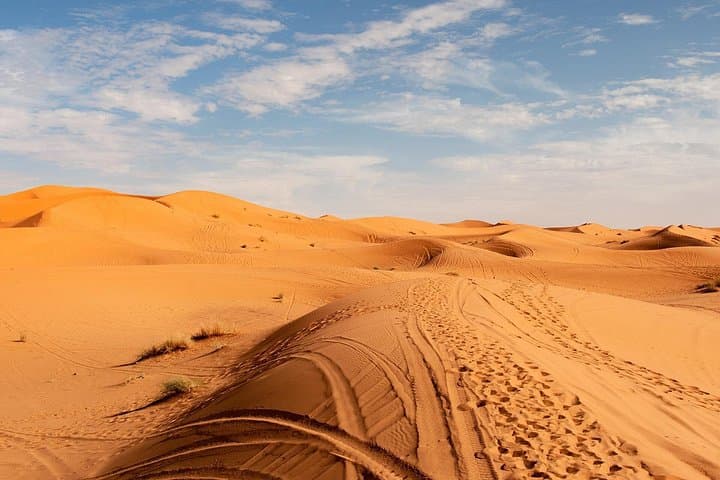

The dune sea of Erg Chebbi rises like a warm, moving landscape as your convoy slips out of the High Atlas at dawn. Wind-polished ridges bleed gold into shadow; a string of camels rocks forward while guides call softly, and the evening sky slides from burnished orange to a dome of stars.
The dune sea of Erg Chebbi rises like a warm, moving landscape as your convoy slips out of the High Atlas at dawn. Wind-polished ridges bleed gold into shadow; a string of camels rocks forward while guides call softly, and the evening sky slides from burnished orange to a dome of stars.
This three-day route threads Morocco’s varied geography and history: the Tichka Pass slices the Atlas with its slate and red sandstone, Ait Benhaddou stands as fortified mud-brick cinema set from old caravan routes, and the Todra Gorges reveal a river’s slow power carving limestone canyons. Berber communities and nomadic traditions still shape food, music and tent life; nights in a riad and then a Berber bivouac give both town-and-desert perspectives.
Expect long vehicle transfers punctuated by short, gentle hikes and a camel trek timed for sunset and sunrise over the dunes. Sleep in shared Berber tents on mattresses under clear desert skies; meals are communal—tagine, sweet mint tea and drum circles.
Practical guidance: bring layered clothing—desert days can be hot and nights cold—plus sun protection, a refillable water bottle and closed shoes for walking on coarse sand and rocky stops. If you have back or heart issues, the long drives and camel mounts can be uncomfortable; plan accordingly. Photographers should wake for the pre-dawn light: the dunes change slope and color minute by minute. Respect local customs, minimize single-use plastics and follow guide instructions on dune routes to protect fragile crusts. This trip balances cultural stops, geology and quiet desert time—ideal for travelers who want both motion and slow, luminous moments under the stars.