THE ADVENTURE COLLECTIVE® · Independent discovery and booking for outdoor travel

Ride across towering Erg Chebbi dunes, sleep under canvas in a private Berber camp, and end the night with campfire music. This overnight camel trek from Merzouga pairs geological spectacle with cultural hospitality—ideal for travelers seeking a short, immersive desert stay.
Ride across towering Erg Chebbi dunes, sleep under canvas in a private Berber camp, and end the night with campfire music. This overnight camel trek from Merzouga pairs geological spectacle with cultural hospitality—ideal for travelers seeking a short, immersive desert stay.
Dawn slides across the Erg Chebbi ridgeline and the dunes breathe warmth back into the sand—your camel trudges up a wind-sculpted ramp while the camp’s lamps wink out behind you. The desert here is not silent so much as attentive: wind gathers the dunes like ink on a page, and the camels keep the slow metronome of travel.
Verified experiences and guided adventures in the surrounding area.
Operated by Morocco Paradise · Merzouga, Errachidia Province
Dawn slides across the Erg Chebbi ridgeline and the dunes breathe warmth back into the sand—your camel trudges up a wind-sculpted ramp while the camp’s lamps wink out behind you. The desert here is not silent so much as attentive: wind gathers the dunes like ink on a page, and the camels keep the slow metronome of travel.
Erg Chebbi, near the village of Merzouga in southeastern Morocco, is a living edge of Saharan geology—tall linear dunes formed by millennia of wind on riverine deposits left by ancient lakes. The people you meet are largely Berber; many families have guided caravans across these sands for generations, and evening timekeeping is given to stories and Gnawa-influenced music rather than clocks.
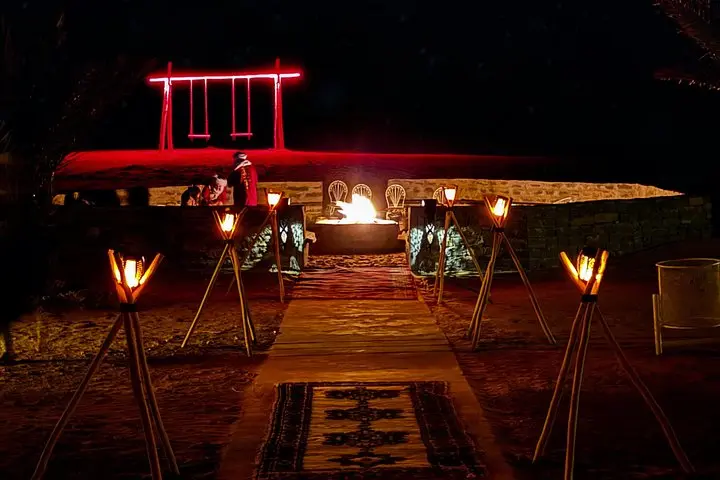
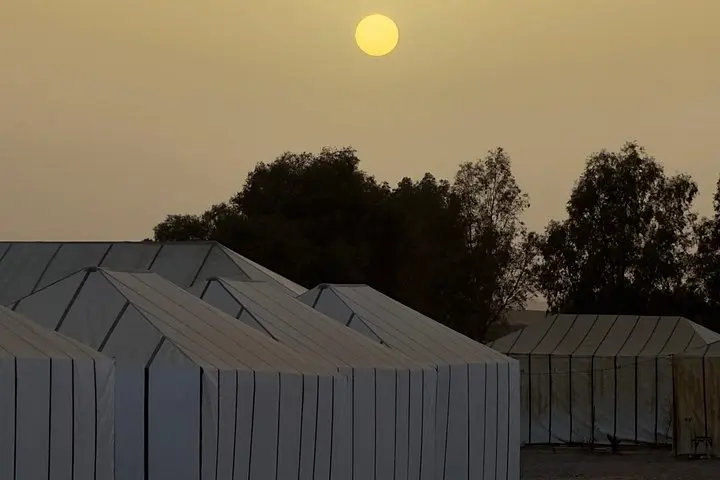
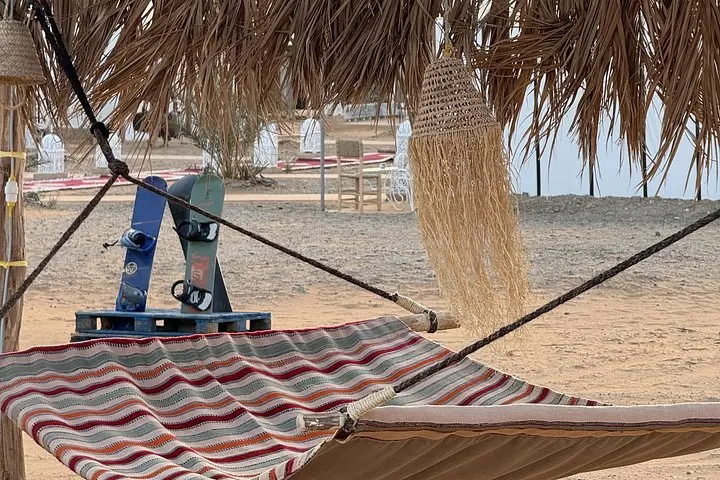
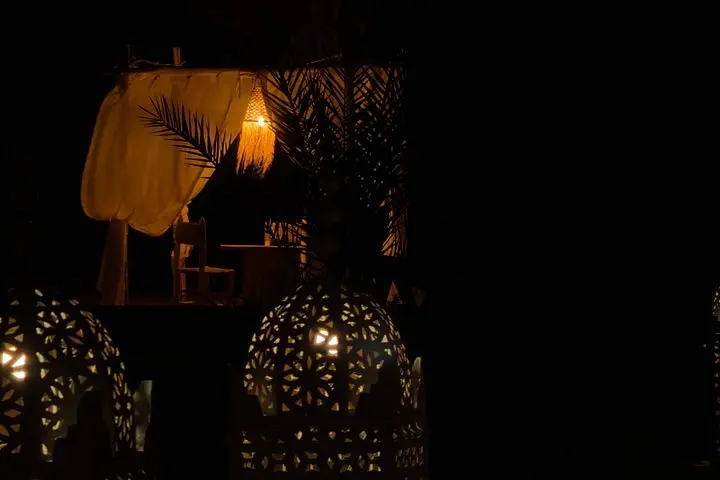
A typical overnight trek begins with a short meet in Merzouga, a comfortable camel ride out to a private tented camp, a simple dinner of local fare, and a campfire with live music. Tents often include private washrooms and basic mattress bedding; expect minimal electricity and strong night air.
Practical guidance: book to arrive before sunset to avoid night navigation; conserve water and protect skin from sun and sand; dress in layers—the desert swings from hot daytime to chilly night. Footwear should be sturdy for short dune climbs; motion sensitivity can make camel mounting awkward for some. Respect local customs: ask before photographing people and follow the guides on dune crossings to protect fragile crusts. The experience is low-impact but dependent on weather—high winds can change plans on short notice.
Typical camel rides from the meeting point to the camp are 30–60 minutes depending on your camp’s location on the dunes and the group’s pace.
Most private desert camps provide basic private washrooms and simple hot-water showers, but facilities are rustic compared with hotels—expect limited hot-water supply at peak times.
Camel riding is generally safe for a wide range of ages, but mounting can be jerky; disclose mobility issues and ages to the operator so they can provide assistance or alternative arrangements.
Yes—many camps provide vegan, vegetarian, gluten-free, and halal options if informed at booking; confirm allergies and restrictions in advance.
Morocco Paradise operates guided outdoor trips and adventures with an emphasis on safety, stewardship, and memorable experiences.
Dawn slides across the Erg Chebbi ridgeline and the dunes breathe warmth back into the sand—your camel trudges up a wind-sculpted ramp while the camp’s lamps wink out behind you. The desert here is not silent so much as attentive: wind gathers the dunes like ink on a page, and the camels keep the slow metronome of travel.
Dawn slides across the Erg Chebbi ridgeline and the dunes breathe warmth back into the sand—your camel trudges up a wind-sculpted ramp while the camp’s lamps wink out behind you. The desert here is not silent so much as attentive: wind gathers the dunes like ink on a page, and the camels keep the slow metronome of travel.
Erg Chebbi, near the village of Merzouga in southeastern Morocco, is a living edge of Saharan geology—tall linear dunes formed by millennia of wind on riverine deposits left by ancient lakes. The people you meet are largely Berber; many families have guided caravans across these sands for generations, and evening timekeeping is given to stories and Gnawa-influenced music rather than clocks.
A typical overnight trek begins with a short meet in Merzouga, a comfortable camel ride out to a private tented camp, a simple dinner of local fare, and a campfire with live music. Tents often include private washrooms and basic mattress bedding; expect minimal electricity and strong night air.
Practical guidance: book to arrive before sunset to avoid night navigation; conserve water and protect skin from sun and sand; dress in layers—the desert swings from hot daytime to chilly night. Footwear should be sturdy for short dune climbs; motion sensitivity can make camel mounting awkward for some. Respect local customs: ask before photographing people and follow the guides on dune crossings to protect fragile crusts. The experience is low-impact but dependent on weather—high winds can change plans on short notice.