THE ADVENTURE COLLECTIVE® · Independent discovery and booking for outdoor travel

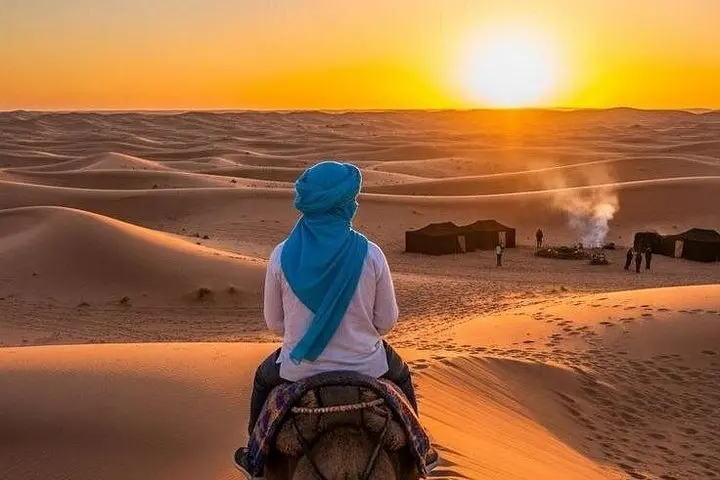
Cross the High Atlas, explore Aït Benhaddou and sleep under the stars in Erg Chebbi on this compact 3-day Sahara tour from Marrakech. Expect camel rides at sunset, a luxury bivouac night, and dramatic desert geology paired with Berber hospitality.
Cross the High Atlas, explore Aït Benhaddou and sleep under the stars in Erg Chebbi on this compact 3-day Sahara tour from Marrakech. Expect camel rides at sunset, a luxury bivouac night, and dramatic desert geology paired with Berber hospitality.
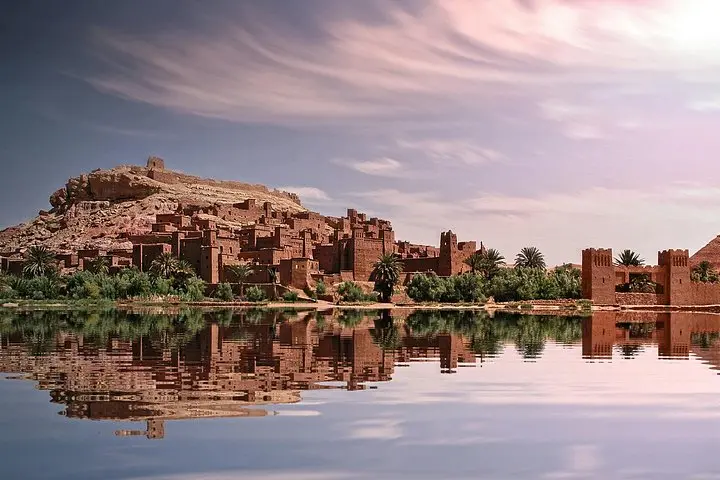
You arrive through the High Atlas at the Tizi n’Tichka pass, the road climbing and dropping like a breath being taken, and the craggy ranges opening into ochre valleys. By late afternoon the kasbahs of Aït Benhaddou stand like sun-warmed clay houses; by night the dunes of Erg Chebbi throw long, cool shadows and the stars feel close enough to touch.
Verified experiences and guided adventures in the surrounding area.
Operated by Pampa voyage Maroc · Merzouga, Drâa-Tafilalet
You arrive through the High Atlas at the Tizi n’Tichka pass, the road climbing and dropping like a breath being taken, and the craggy ranges opening into ochre valleys. By late afternoon the kasbahs of Aït Benhaddou stand like sun-warmed clay houses; by night the dunes of Erg Chebbi throw long, cool shadows and the stars feel close enough to touch.
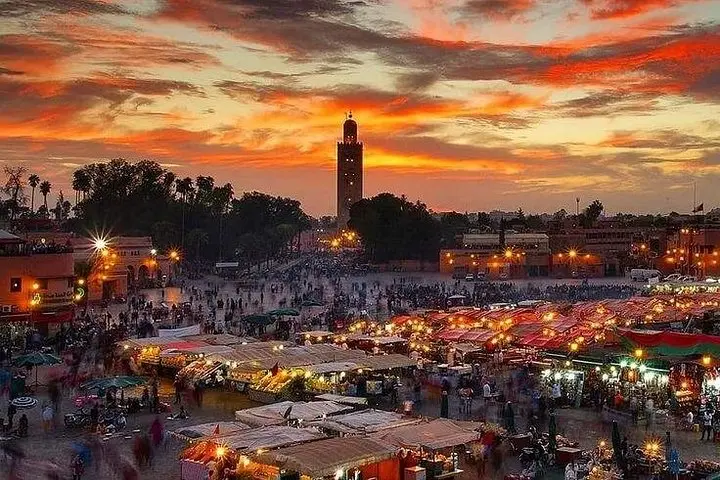
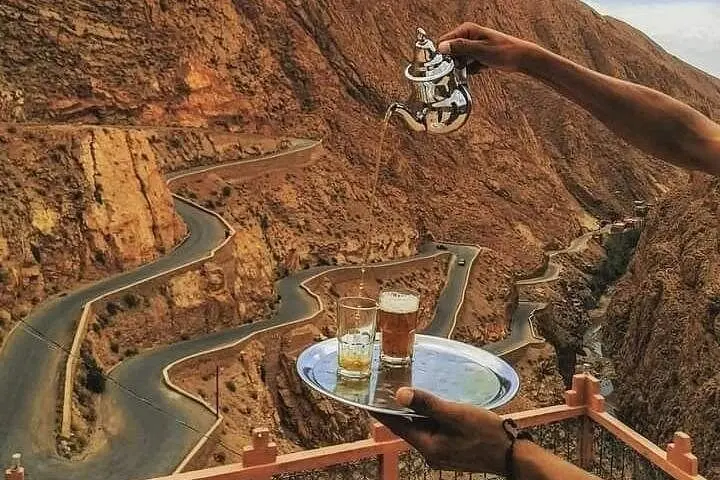
This three-day circuit links Morocco’s layered history and soft geology. The route runs from Marrakech over ancient trade corridors past fortified ksars and into the palm-lined oases of the Dades and Todra gorges. Erg Chebbi’s dunes are aeolian giants—wind-sculpted ridges of quartz-rich sand—while nearby towns like Rissani recall caravan routes that once threaded the Sahara. Cultural moments arrive in small things: a Berber tea poured with ceremony, a guesthouse meal of tagine, and a nighttime bivouac where local guides tell stories beneath an unfiltered sky.
Expect two camel rides—sunset and sunrise—short hikes on dune slopes, and an overnight in a luxury-style tent equipped with a shower and toilet. Terrain shifts from sealed mountain roads and rocky gorges to soft sand that tests balance and breath. Temperatures swing sharply; mornings and nights are cold, daytime can be hot.
Practical guidance: travel light but bring layered clothing, reliable sun protection, at least 2–3 liters of water per day, and footwear suited for sand and short rocky walks. Allow time after the return drive for recovery—three days in the desert is compact but immersive, giving a clear view of Morocco’s southern landscapes without extensive backcountry skills.
The tour is rated moderate—most activities are short camel rides and brief dune walks; guests should be comfortable with extended vehicle travel and some uneven footing.
Yes; the itinerary includes a bivouac night in a tent described as luxury with toilet and shower access at camp or nearby facilities depending on season and setup.
Not recommended for travelers with serious back or heart conditions; camel rides and getting on/off vehicles require mobility—infant seats are available on request.
Spring and fall offer the most comfortable daytime temperatures; winter brings cold nights and summer can be very hot during the day.
Pampa voyage Maroc operates guided outdoor trips and adventures with an emphasis on safety, stewardship, and memorable experiences.
You arrive through the High Atlas at the Tizi n’Tichka pass, the road climbing and dropping like a breath being taken, and the craggy ranges opening into ochre valleys. By late afternoon the kasbahs of Aït Benhaddou stand like sun-warmed clay houses; by night the dunes of Erg Chebbi throw long, cool shadows and the stars feel close enough to touch.
You arrive through the High Atlas at the Tizi n’Tichka pass, the road climbing and dropping like a breath being taken, and the craggy ranges opening into ochre valleys. By late afternoon the kasbahs of Aït Benhaddou stand like sun-warmed clay houses; by night the dunes of Erg Chebbi throw long, cool shadows and the stars feel close enough to touch.
This three-day circuit links Morocco’s layered history and soft geology. The route runs from Marrakech over ancient trade corridors past fortified ksars and into the palm-lined oases of the Dades and Todra gorges. Erg Chebbi’s dunes are aeolian giants—wind-sculpted ridges of quartz-rich sand—while nearby towns like Rissani recall caravan routes that once threaded the Sahara. Cultural moments arrive in small things: a Berber tea poured with ceremony, a guesthouse meal of tagine, and a nighttime bivouac where local guides tell stories beneath an unfiltered sky.
Expect two camel rides—sunset and sunrise—short hikes on dune slopes, and an overnight in a luxury-style tent equipped with a shower and toilet. Terrain shifts from sealed mountain roads and rocky gorges to soft sand that tests balance and breath. Temperatures swing sharply; mornings and nights are cold, daytime can be hot.
Practical guidance: travel light but bring layered clothing, reliable sun protection, at least 2–3 liters of water per day, and footwear suited for sand and short rocky walks. Allow time after the return drive for recovery—three days in the desert is compact but immersive, giving a clear view of Morocco’s southern landscapes without extensive backcountry skills.