THE ADVENTURE COLLECTIVE® · Independent discovery and booking for outdoor travel

Cross the High Atlas, sleep beneath Erg Chebbi’s stars, and finish in Fes on this compact three-day desert circuit from Marrakech. Expect mountain passes, narrow gorges, camel rides and an overnight in a traditional desert camp.
Cross the High Atlas, sleep beneath Erg Chebbi’s stars, and finish in Fes on this compact three-day desert circuit from Marrakech. Expect mountain passes, narrow gorges, camel rides and an overnight in a traditional desert camp.
The sun drops slow behind a wall of ochre dunes and the desert exhales — wind sculpts the ridges, and the Erg Chebbi sea seems to breathe beneath a sky so close the stars feel within reach.
Verified experiences and guided adventures in the surrounding area.
Operated by Morocco Destination Experts · Merzouga, Drâa-Tafilalet
The sun drops slow behind a wall of ochre dunes and the desert exhales — wind sculpts the ridges, and the Erg Chebbi sea seems to breathe beneath a sky so close the stars feel within reach.
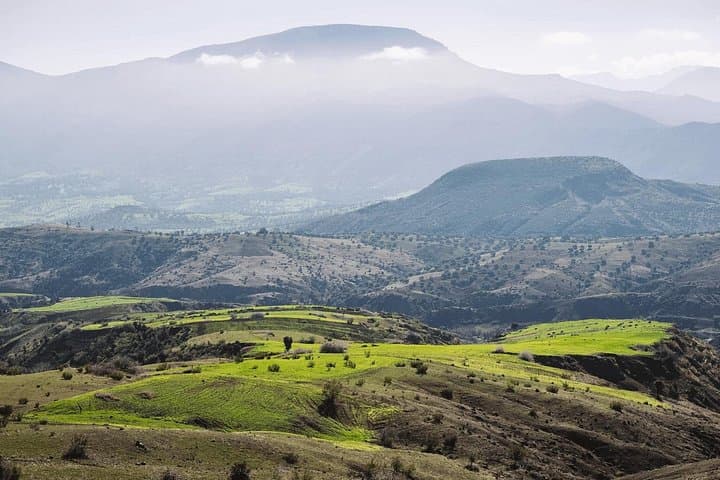
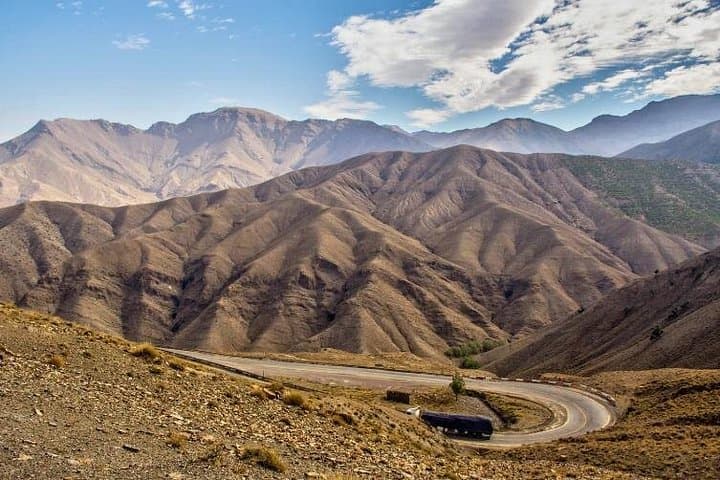
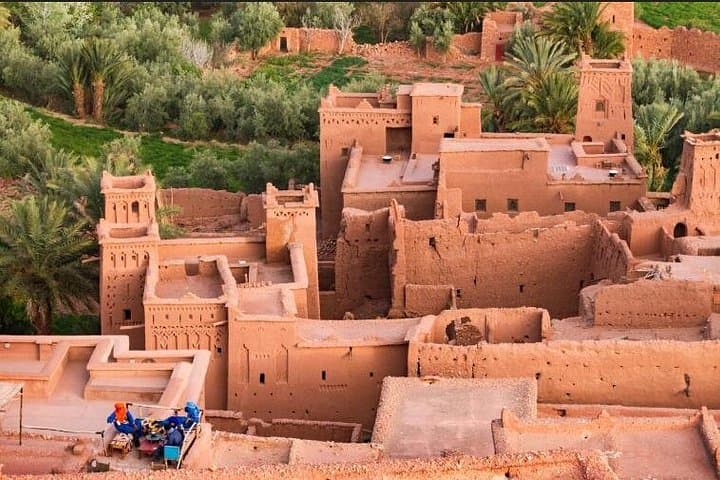
This three-day route threads Marrakech’s red city lanes, climbs the High Atlas through Tizi n’Tichka (2,260 m), and descends into pre-Saharan plains before the open sand of Merzouga. Geology here is obvious: folded volcanic ranges give way to alluvial valleys, then to wind-driven dunes that migrate with each season. Kasbahs such as Ait Ben Haddou speak to Morocco’s caravan era, once a network of trade linking sub‑Saharan routes to Marrakech; the Ziz Valley still carries that ribbon of life, a palm-lined corridor fed by an aging river.
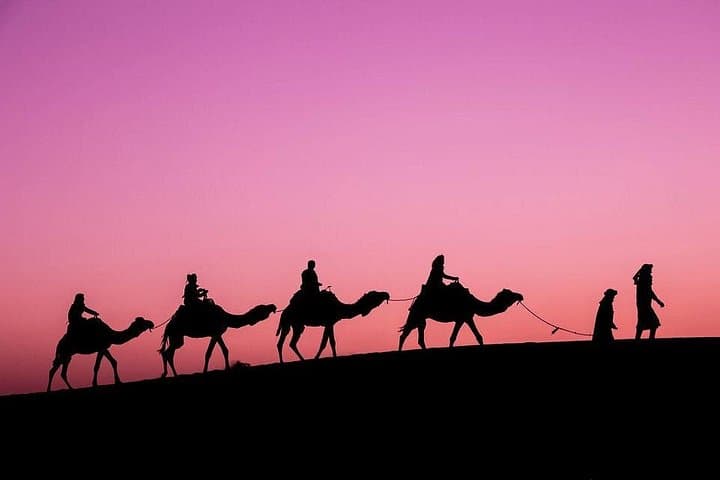
Culture is immediate — roadside villages, Berber guesthouses, and the evening call to simple communal meals under a tent. In the dunes you’ll mount a camel for a short ride and spend the night in a desert camp, where local guides play Gnawa rhythms and the temperature can flip from warm daylight to brisk night air.
Practical guidance: expect long coach drives broken by short hikes and photo stops (Todra and Dades Gorges). Pack layers for mountain-to-desert changes, sun protection for open sands, and comfortable walking shoes for rocky gorges. Hydrate on the road and bring cash for small purchases; camps and rural stops accept limited cards. If you want sunrise on the highest dune, ask to rise early — the light is worth the brisk climb.
Most camps provide sleeping bags and blankets; if you sleep cold bring a lightweight sleeping liner or check with the operator beforehand.
A short camel trek is included — typically a 45–90 minute ride to a dune camp timed for sunset; alternatives such as walking to the camp are usually available.
Pickup is generally included from central Marrakech hotels; confirm your pickup point during booking and allow flexibility for timing.
Spring and fall balance warm days and cool nights with calmer winds; summer is hot in the dunes, and winter can be cold in the High Atlas.
Morocco Destination Experts operates guided outdoor trips and adventures with an emphasis on safety, stewardship, and memorable experiences.
The sun drops slow behind a wall of ochre dunes and the desert exhales — wind sculpts the ridges, and the Erg Chebbi sea seems to breathe beneath a sky so close the stars feel within reach.
The sun drops slow behind a wall of ochre dunes and the desert exhales — wind sculpts the ridges, and the Erg Chebbi sea seems to breathe beneath a sky so close the stars feel within reach.
This three-day route threads Marrakech’s red city lanes, climbs the High Atlas through Tizi n’Tichka (2,260 m), and descends into pre-Saharan plains before the open sand of Merzouga. Geology here is obvious: folded volcanic ranges give way to alluvial valleys, then to wind-driven dunes that migrate with each season. Kasbahs such as Ait Ben Haddou speak to Morocco’s caravan era, once a network of trade linking sub‑Saharan routes to Marrakech; the Ziz Valley still carries that ribbon of life, a palm-lined corridor fed by an aging river.
Culture is immediate — roadside villages, Berber guesthouses, and the evening call to simple communal meals under a tent. In the dunes you’ll mount a camel for a short ride and spend the night in a desert camp, where local guides play Gnawa rhythms and the temperature can flip from warm daylight to brisk night air.
Practical guidance: expect long coach drives broken by short hikes and photo stops (Todra and Dades Gorges). Pack layers for mountain-to-desert changes, sun protection for open sands, and comfortable walking shoes for rocky gorges. Hydrate on the road and bring cash for small purchases; camps and rural stops accept limited cards. If you want sunrise on the highest dune, ask to rise early — the light is worth the brisk climb.