THE ADVENTURE COLLECTIVE® · Independent discovery and booking for outdoor travel

Cross the High Atlas, walk Ait Ben Haddou’s ancient lanes, trek Todra Gorge and ride camels into Erg Chebbi on this five-day loop from Marrakech. Expect long drives, dramatic geology, and a star-filled desert night in a traditional camp.
Cross the High Atlas, walk Ait Ben Haddou’s ancient lanes, trek Todra Gorge and ride camels into Erg Chebbi on this five-day loop from Marrakech. Expect long drives, dramatic geology, and a star-filled desert night in a traditional camp.
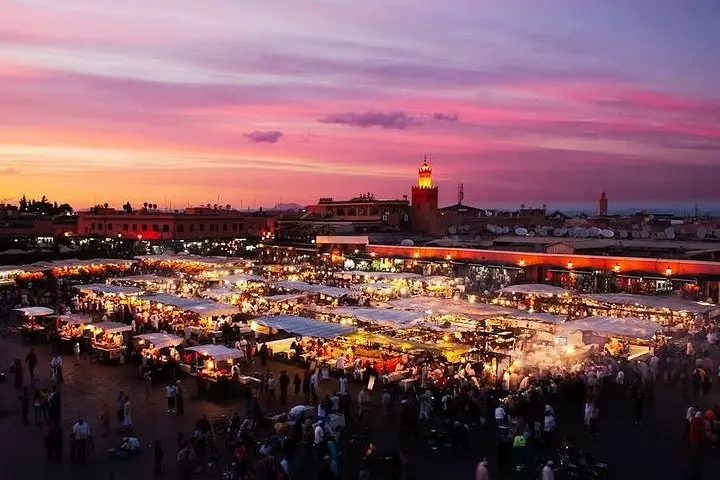
You leave Marrakech before dawn, the city’s ochre walls shrinking behind you as the road climbs toward Tizi n’Tichka. The High Atlas unfurls in stony ribs, wind pushing the van through hairpin turns until the landscape opens to kasbahs and river-carved valleys. By day two the layered walls of Dades and Todra appear—rock faces that dare you to trace their vertical scars with your gaze.
Verified experiences and guided adventures in the surrounding area.
Operated by Morocco Tours Services · Merzouga, Drâa-Tafilalet
You leave Marrakech before dawn, the city’s ochre walls shrinking behind you as the road climbs toward Tizi n’Tichka. The High Atlas unfurls in stony ribs, wind pushing the van through hairpin turns until the landscape opens to kasbahs and river-carved valleys. By day two the layered walls of Dades and Todra appear—rock faces that dare you to trace their vertical scars with your gaze.
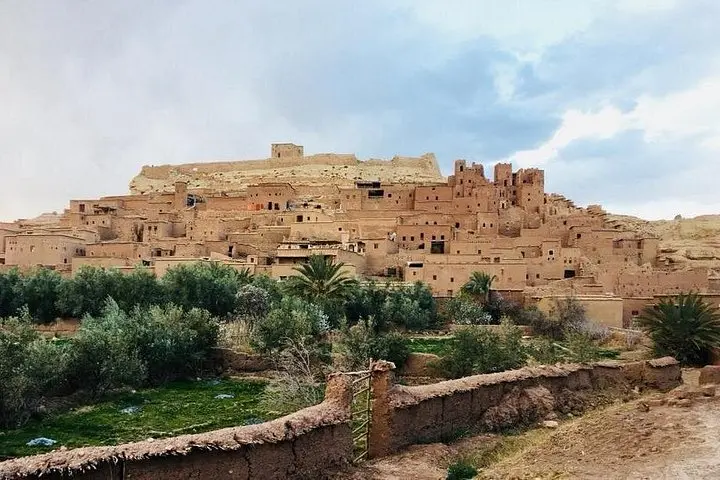
This five-day route threads cultural high points and geological extremes: the mud-brick ksar of Ait Ben Haddou (UNESCO-listed and a frequent film set), the palm-lined Draa Valley, and finally Erg Chebbi, the towering Merzouga dunes shaped by persistent Saharan winds. Todra’s limestone canyons rise to roughly 300 m and attract climbers; Erg Chebbi’s dunes reach about 150 m and shift hour by hour at sunrise and sunset.
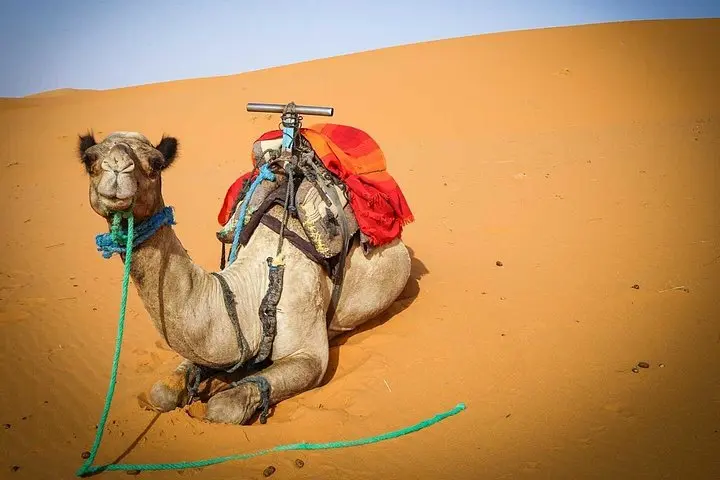
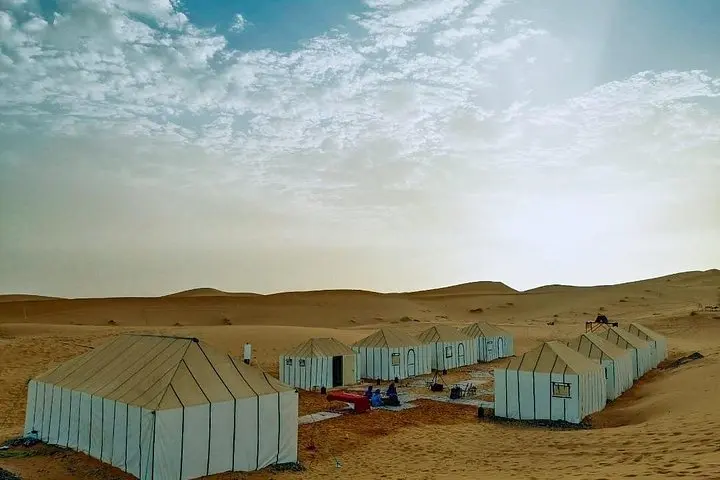
Expect a mix of driving (Marrakech–Merzouga is roughly 560–600 km, 8–10 hours of road across stages), short walks in gorges, and a 1–1.5 hour camel trek into the dunes. Nights alternate between riads, mountain hotels and a desert camp where Berber drums mark dinner and the sky becomes a living chart of stars.
Practical edge: pack layers for 25–30°C daytime heat and near-freezing desert nights, bring a broad-brim hat, at least 2–3 liters water per day, and sturdy shoes for rocky gorges. Photography is best at golden hour; allow buffer time for mountain roads. The tour balances easy walks with long drives—best for travelers comfortable sitting for multi-hour transfers but keen on hands-on cultural and landscape immersion.
The typical camel trek included is about 1 to 1.5 hours each way to the desert camp, timed for sunset or sunrise photo opportunities.
Yes—this itinerary provides nights in riads or hotels and one night in a desert camp as listed in the inclusions.
The tour is family-friendly but involves long drives and desert conditions; consider mobility and tolerance for road travel when booking.
Yes—the driver/guide is described as English-speaking, and major stops like Ait Ben Haddou and Merzouga are accustomed to international visitors.
Morocco Tours Services operates guided outdoor trips and adventures with an emphasis on safety, stewardship, and memorable experiences.
You leave Marrakech before dawn, the city’s ochre walls shrinking behind you as the road climbs toward Tizi n’Tichka. The High Atlas unfurls in stony ribs, wind pushing the van through hairpin turns until the landscape opens to kasbahs and river-carved valleys. By day two the layered walls of Dades and Todra appear—rock faces that dare you to trace their vertical scars with your gaze.
You leave Marrakech before dawn, the city’s ochre walls shrinking behind you as the road climbs toward Tizi n’Tichka. The High Atlas unfurls in stony ribs, wind pushing the van through hairpin turns until the landscape opens to kasbahs and river-carved valleys. By day two the layered walls of Dades and Todra appear—rock faces that dare you to trace their vertical scars with your gaze.
This five-day route threads cultural high points and geological extremes: the mud-brick ksar of Ait Ben Haddou (UNESCO-listed and a frequent film set), the palm-lined Draa Valley, and finally Erg Chebbi, the towering Merzouga dunes shaped by persistent Saharan winds. Todra’s limestone canyons rise to roughly 300 m and attract climbers; Erg Chebbi’s dunes reach about 150 m and shift hour by hour at sunrise and sunset.
Expect a mix of driving (Marrakech–Merzouga is roughly 560–600 km, 8–10 hours of road across stages), short walks in gorges, and a 1–1.5 hour camel trek into the dunes. Nights alternate between riads, mountain hotels and a desert camp where Berber drums mark dinner and the sky becomes a living chart of stars.
Practical edge: pack layers for 25–30°C daytime heat and near-freezing desert nights, bring a broad-brim hat, at least 2–3 liters water per day, and sturdy shoes for rocky gorges. Photography is best at golden hour; allow buffer time for mountain roads. The tour balances easy walks with long drives—best for travelers comfortable sitting for multi-hour transfers but keen on hands-on cultural and landscape immersion.