THE ADVENTURE COLLECTIVE® · Independent discovery and booking for outdoor travel

A 10-day route through India’s central heartland that pairs UNESCO-listed stupas and prehistoric rock art with jeep safaris in Satpura Tiger Reserve. Expect long drives, early-morning wildlife runs, and layered cultural encounters in Maheshwar, Mandu and Indore.
A 10-day route through India’s central heartland that pairs UNESCO-listed stupas and prehistoric rock art with jeep safaris in Satpura Tiger Reserve. Expect long drives, early-morning wildlife runs, and layered cultural encounters in Maheshwar, Mandu and Indore.
Dawn breaks over a folded landscape of plateaus and river bends as your convoy slips out of Bhopal toward ancient stupas and dense Sal forest. The air carries wood smoke and the distant call of peafowl; roadside villages blink awake and the city’s mosque domes recede into a mosaic of fields.
Verified experiences and guided adventures in the surrounding area.
Operated by Agora Voyages Pvt. Ltd. · Bhopal, Madhya Pradesh
Dawn breaks over a folded landscape of plateaus and river bends as your convoy slips out of Bhopal toward ancient stupas and dense Sal forest. The air carries wood smoke and the distant call of peafowl; roadside villages blink awake and the city’s mosque domes recede into a mosaic of fields.
Central India is a crossroads of history and geology. Sanchi’s hemispherical stupas, carved gateways and Ashokan pillars speak to early Buddhist art, while the Bhimbetka rock shelters preserve Paleolithic paintings under laterite overhangs—human presence layered like the region’s lateritic terraces. Satpura’s escarpments and the Pachmarhi plateau form a quieter, wetter counterpoint: sandstone outcrops, mixed deciduous forest and winding rivulets that shape seasonal wildlife corridors.
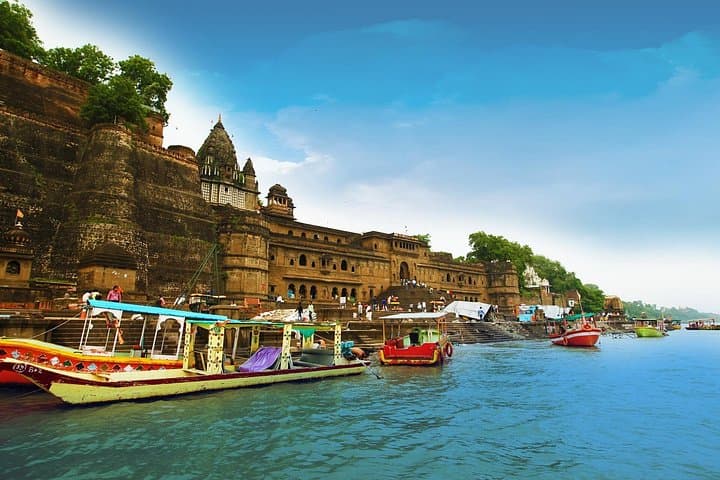
Culturally, towns such as Maheshwar and Mandu reveal Mughal, Maratha and regional Bundeli crafts—handloom weaving, temple rituals at riverside ghats and slow markets. Expect a blend of English-speaking guides in cities and local naturalists in parks; jeep safaris with forest department escorts bring close encounters with deer, langur and, occasionally, tiger.
Practical guidance: plan for long drives and early starts—safaris favor dawn and dusk when wildlife is most active. Carry layered clothing for cool mornings and hot afternoons, insect repellent for forested stops, and closed hiking shoes for uneven trails at archaeological sites. Book national park safaris in advance; jeep availability can be limited. Hydrate, respect local customs at ghats and monuments, and leave no trace—these landscapes respond to careful travel.
Satpura hosts deer species, sloth bear, leopard and tiger (sightings not guaranteed); birdlife and smaller mammals are commonly spotted on gypsy safaris.
The itinerary lists monument entrances and three jeep safaris with a forest naturalist as included—confirm specifics at booking and whether optional boat safaris cost extra.
This 10‑day route includes several long transfers (e.g., Satpura to Maheshwar ~380 km); expect multi-hour drives between major stops.
Yes—it's rated suitable for all fitness levels; however, early starts and transfers can be tiring, so plan rest time and discuss mobility needs at booking.
Agora Voyages Pvt. Ltd. operates guided outdoor trips and adventures with an emphasis on safety, stewardship, and memorable experiences.


Dawn breaks over a folded landscape of plateaus and river bends as your convoy slips out of Bhopal toward ancient stupas and dense Sal forest. The air carries wood smoke and the distant call of peafowl; roadside villages blink awake and the city’s mosque domes recede into a mosaic of fields.
Dawn breaks over a folded landscape of plateaus and river bends as your convoy slips out of Bhopal toward ancient stupas and dense Sal forest. The air carries wood smoke and the distant call of peafowl; roadside villages blink awake and the city’s mosque domes recede into a mosaic of fields.
Central India is a crossroads of history and geology. Sanchi’s hemispherical stupas, carved gateways and Ashokan pillars speak to early Buddhist art, while the Bhimbetka rock shelters preserve Paleolithic paintings under laterite overhangs—human presence layered like the region’s lateritic terraces. Satpura’s escarpments and the Pachmarhi plateau form a quieter, wetter counterpoint: sandstone outcrops, mixed deciduous forest and winding rivulets that shape seasonal wildlife corridors.
Culturally, towns such as Maheshwar and Mandu reveal Mughal, Maratha and regional Bundeli crafts—handloom weaving, temple rituals at riverside ghats and slow markets. Expect a blend of English-speaking guides in cities and local naturalists in parks; jeep safaris with forest department escorts bring close encounters with deer, langur and, occasionally, tiger.
Practical guidance: plan for long drives and early starts—safaris favor dawn and dusk when wildlife is most active. Carry layered clothing for cool mornings and hot afternoons, insect repellent for forested stops, and closed hiking shoes for uneven trails at archaeological sites. Book national park safaris in advance; jeep availability can be limited. Hydrate, respect local customs at ghats and monuments, and leave no trace—these landscapes respond to careful travel.