THE ADVENTURE COLLECTIVE® · Independent discovery and booking for outdoor travel

Explore Metairie Cemetery at your own pace with a GPS-triggered audio tour that guides you through Civil War memorials, Carnival royalty tombs, and architectural oddities. Download the VoiceMap audio and walk a 35-minute route that layers history, religion, and local culture.
Explore Metairie Cemetery at your own pace with a GPS-triggered audio tour that guides you through Civil War memorials, Carnival royalty tombs, and architectural oddities. Download the VoiceMap audio and walk a 35-minute route that layers history, religion, and local culture.
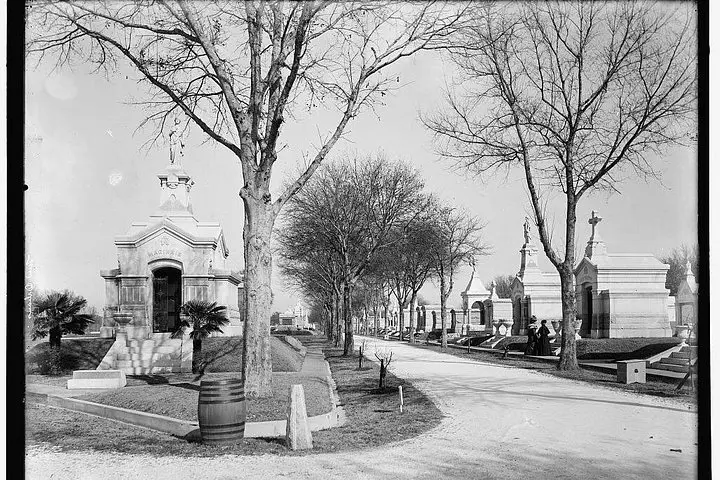
A cool morning in Metairie Cemetery starts with the sound of footsteps on crushed shell driveways and live oaks leaning over colonnades, as a recorded voice begins to place you at the edge of the old Metairie Race Course. The audio drops you into locations by GPS: turn here, pause there, a bell of history ringing between marble angels and iron gates.
Verified experiences and guided adventures in the surrounding area.
Operated by VoiceMap Audio Tours · New Orleans, Louisiana
A cool morning in Metairie Cemetery starts with the sound of footsteps on crushed shell driveways and live oaks leaning over colonnades, as a recorded voice begins to place you at the edge of the old Metairie Race Course. The audio drops you into locations by GPS: turn here, pause there, a bell of history ringing between marble angels and iron gates.
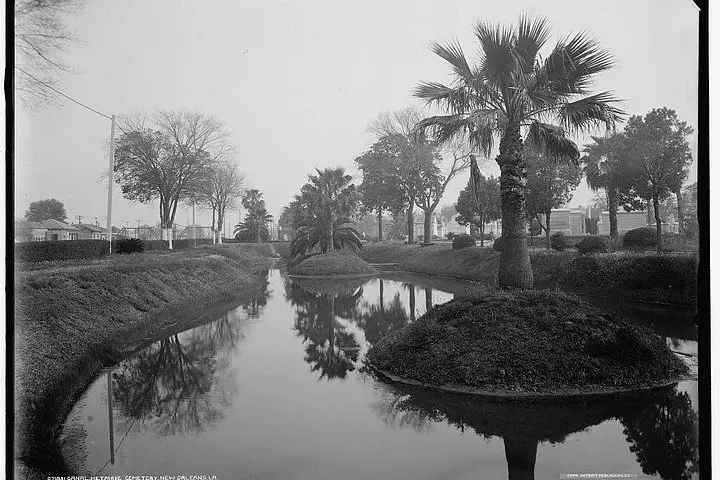
The cemetery occupies land once used for 19th-century racing and was later transformed into the above-ground burial fields familiar to Greater New Orleans. Its mausolea and society tombs reflect Victorian, Egyptian Revival, and Classical motifs tied to the city’s Catholic traditions and Carnival culture—more than 50 former “kings and queens” of Mardi Gras are memorialized here. The ground itself is low-lying alluvial soil typical of the New Orleans basin; raised crypts are both architectural choice and practical response to water tables.
Cultural notes arrive in the audio: military memorials, family crypts, and the idiosyncratic iconography of saints and ships. The experience is more documentary than ghost story—an urbane walk through civic memory.
Practical guidance: download the VoiceMap app and redeem the code before you arrive; the route is about 35 minutes of walking on mostly flat, paved or gravel paths. Bring headphones, comfortable shoes, and water. Respect boundaries—do not climb on monuments—and use shaded stops to sequence the audio at your pace. Early morning or late afternoon gives the best light and cooler temperatures for a thoughtful, unhurried tour.
The guided audio route is about 35 minutes long and can be paused or replayed at any point.
No—download the tour in the VoiceMap app beforehand and it will work offline via GPS.
Yes, the cemetery has paths suitable for wheelchairs and strollers; the tour is described as accessible.
Yes—the VoiceMap code from your booking can be used to download the tour on multiple devices.
VoiceMap Audio Tours operates guided outdoor trips and adventures with an emphasis on safety, stewardship, and memorable experiences.
A cool morning in Metairie Cemetery starts with the sound of footsteps on crushed shell driveways and live oaks leaning over colonnades, as a recorded voice begins to place you at the edge of the old Metairie Race Course. The audio drops you into locations by GPS: turn here, pause there, a bell of history ringing between marble angels and iron gates.
A cool morning in Metairie Cemetery starts with the sound of footsteps on crushed shell driveways and live oaks leaning over colonnades, as a recorded voice begins to place you at the edge of the old Metairie Race Course. The audio drops you into locations by GPS: turn here, pause there, a bell of history ringing between marble angels and iron gates.
The cemetery occupies land once used for 19th-century racing and was later transformed into the above-ground burial fields familiar to Greater New Orleans. Its mausolea and society tombs reflect Victorian, Egyptian Revival, and Classical motifs tied to the city’s Catholic traditions and Carnival culture—more than 50 former “kings and queens” of Mardi Gras are memorialized here. The ground itself is low-lying alluvial soil typical of the New Orleans basin; raised crypts are both architectural choice and practical response to water tables.
Cultural notes arrive in the audio: military memorials, family crypts, and the idiosyncratic iconography of saints and ships. The experience is more documentary than ghost story—an urbane walk through civic memory.
Practical guidance: download the VoiceMap app and redeem the code before you arrive; the route is about 35 minutes of walking on mostly flat, paved or gravel paths. Bring headphones, comfortable shoes, and water. Respect boundaries—do not climb on monuments—and use shaded stops to sequence the audio at your pace. Early morning or late afternoon gives the best light and cooler temperatures for a thoughtful, unhurried tour.