THE ADVENTURE COLLECTIVE® · Independent discovery and booking for outdoor travel

Walk two miles through Metairie Cemetery’s extraordinary funerary art, from sphinx-guarded pyramids to weeping angels. This guided tour blends local scandal, architectural detail, and practical tips for an insightful two-hour outing.
Walk two miles through Metairie Cemetery’s extraordinary funerary art, from sphinx-guarded pyramids to weeping angels. This guided tour blends local scandal, architectural detail, and practical tips for an insightful two-hour outing.
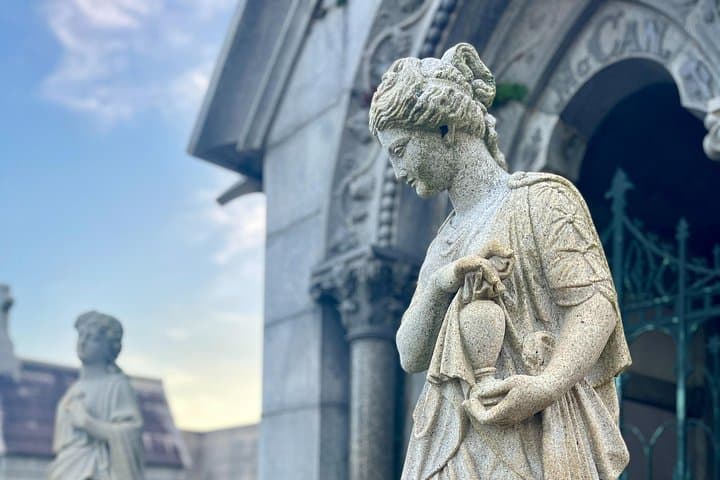
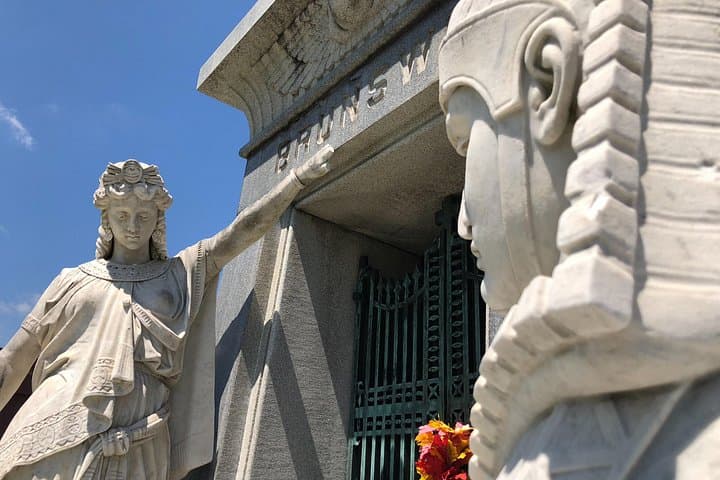
Morning light filters through a grove of live oaks and Spanish moss as you step through one of Metairie Cemetery’s iron gates. The path threads past marble pyramids, a sphinx that seems to watch the road, and mausoleums carved like miniature temples — each stone a headline, rumor, or private grief made permanent.
Verified experiences and guided adventures in the surrounding area.
Operated by Red Sash Tours · New Orleans, Louisiana
Morning light filters through a grove of live oaks and Spanish moss as you step through one of Metairie Cemetery’s iron gates. The path threads past marble pyramids, a sphinx that seems to watch the road, and mausoleums carved like miniature temples — each stone a headline, rumor, or private grief made permanent.
Originally a horse racetrack turned burial ground, Metairie Cemetery occupies roughly 127 acres and is listed on the National Register of Historic Places. Its funerary architecture borrows freely from Greek, Egyptian, and Islamic forms; the layout reflects New Orleans’ layered history of wealth, vice, and religion. Local color seeps in: the fried-chicken magnate, a Storyville madam, and modern authors share plots as if the city’s stories continue to collide here.
Geology is subtle but present — raised tombs and vaults built to cope with low, swampy ground, white marble that gleams after rain, and mature oaks that funnel wind and birdsong into narrow alleys. Culture here is civic theater: funerary art as social statement, inscriptions as gossip, and memorials that double as public sculpture.
Expect a purposeful two-mile walk over paved lanes and occasional steps; guides weave biography with architectural insight and local tips on food and music. Practical notes: wear supportive shoes, bring water and sun protection, and be prepared to move respectfully around graves. Photography is common but follow the guide’s directions and cemetery rules.
This tour trades adrenaline for atmosphere: it’s a close-up of New Orleans’ human landscape — ornate, contradictory, and quietly alive under a canopy of trees.
The tour runs about two hours and covers roughly two miles of paved cemetery lanes.
Many paths are paved and stroller-friendly; however, some areas have steps or uneven surfaces — contact the operator for specific accessibility needs.
Service animals are permitted; other pets are not recommended out of respect for the site and other visitors.
Tours may be cancelled in severe weather; light rain typically proceeds, but check cancellation policy for refunds if the operator cancels.
Red Sash Tours operates guided outdoor trips and adventures with an emphasis on safety, stewardship, and memorable experiences.


Morning light filters through a grove of live oaks and Spanish moss as you step through one of Metairie Cemetery’s iron gates. The path threads past marble pyramids, a sphinx that seems to watch the road, and mausoleums carved like miniature temples — each stone a headline, rumor, or private grief made permanent.
Morning light filters through a grove of live oaks and Spanish moss as you step through one of Metairie Cemetery’s iron gates. The path threads past marble pyramids, a sphinx that seems to watch the road, and mausoleums carved like miniature temples — each stone a headline, rumor, or private grief made permanent.
Originally a horse racetrack turned burial ground, Metairie Cemetery occupies roughly 127 acres and is listed on the National Register of Historic Places. Its funerary architecture borrows freely from Greek, Egyptian, and Islamic forms; the layout reflects New Orleans’ layered history of wealth, vice, and religion. Local color seeps in: the fried-chicken magnate, a Storyville madam, and modern authors share plots as if the city’s stories continue to collide here.
Geology is subtle but present — raised tombs and vaults built to cope with low, swampy ground, white marble that gleams after rain, and mature oaks that funnel wind and birdsong into narrow alleys. Culture here is civic theater: funerary art as social statement, inscriptions as gossip, and memorials that double as public sculpture.
Expect a purposeful two-mile walk over paved lanes and occasional steps; guides weave biography with architectural insight and local tips on food and music. Practical notes: wear supportive shoes, bring water and sun protection, and be prepared to move respectfully around graves. Photography is common but follow the guide’s directions and cemetery rules.
This tour trades adrenaline for atmosphere: it’s a close-up of New Orleans’ human landscape — ornate, contradictory, and quietly alive under a canopy of trees.