THE ADVENTURE COLLECTIVE® · Independent discovery and booking for outdoor travel

Leave Athens for a full-day private drive into central Greece to explore Meteora’s clifftop monasteries. This relaxed, guided day balances scenic stops, short hikes and free time to experience Byzantine art and dramatic geology.
Leave Athens for a full-day private drive into central Greece to explore Meteora’s clifftop monasteries. This relaxed, guided day balances scenic stops, short hikes and free time to experience Byzantine art and dramatic geology.
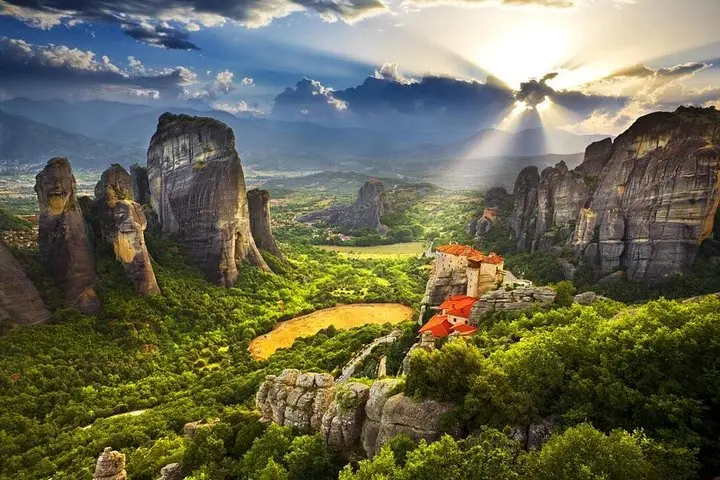
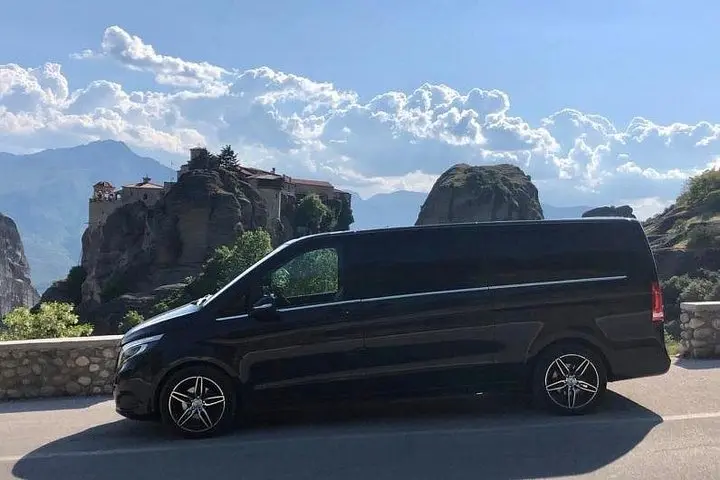
Morning light spills across the Thessalian plain as a private car leaves Athens, and the city’s noise recedes into the rearview. By mid-morning the road climbs toward a skyline of stone towers—Meteora’s immense sandstone pillars appear like an archipelago of rock, daring visitors to come closer.
Verified experiences and guided adventures in the surrounding area.
Operated by Santorini i-Land Tours · Kalambaka, Thessaly
Morning light spills across the Thessalian plain as a private car leaves Athens, and the city’s noise recedes into the rearview. By mid-morning the road climbs toward a skyline of stone towers—Meteora’s immense sandstone pillars appear like an archipelago of rock, daring visitors to come closer.
Geology here is blunt and readable: rivers and glaciers sculpted these 60–80 metre-high columns over millions of years, leaving sheer faces that medieval monks chose for solitude and safety. Beginning in the 14th century, ascetic communities built monasteries on the summits, hauling timber, icons and people up by rope and ladder until more permanent stairs and bridges replaced the ropes.
Kalambaka at the base is a compact, lived-in town where Byzantine churches share alleys with tavernas; local cooks keep simple, hearty recipes that reflect mountain-grown produce. The monasteries preserve frescoes and liturgical objects that reveal Byzantine devotion and local craft traditions.
Practical guidance is straightforward: expect a long day—roughly 12–13 hours door-to-door. Footpaths to viewpoints and monastery staircases are short but steep; wear grippy shoes and modest clothing to respect monastic rules (skirts and shawls are often available). Monastery admissions are usually paid on-site in cash and some sites close on specific weekdays, so check which monasteries you want to enter. Bring water, sun protection and a small daypack; a private driver lets the landscape narrate itself, with stops for photography, coffee in village squares, and the slow pleasure of watching clouds slide around stone pinnacles.
No—entrance fees are paid on-site at individual monasteries, usually in cash; some accept cards but it’s best to have euros available.
No—the trip involves short walks and stair climbs to viewpoints and monastery entrances, but no long hikes; average mobility is sufficient.
Pickup and drop-off are offered from Athens hotels; you’ll be asked to confirm your accommodation details before the tour.
Not always—some monasteries close on specific weekdays or for religious holidays, and women and men must follow strict dress codes to enter.
Santorini i-Land Tours operates guided outdoor trips and adventures with an emphasis on safety, stewardship, and memorable experiences.

Morning light spills across the Thessalian plain as a private car leaves Athens, and the city’s noise recedes into the rearview. By mid-morning the road climbs toward a skyline of stone towers—Meteora’s immense sandstone pillars appear like an archipelago of rock, daring visitors to come closer.
Morning light spills across the Thessalian plain as a private car leaves Athens, and the city’s noise recedes into the rearview. By mid-morning the road climbs toward a skyline of stone towers—Meteora’s immense sandstone pillars appear like an archipelago of rock, daring visitors to come closer.
Geology here is blunt and readable: rivers and glaciers sculpted these 60–80 metre-high columns over millions of years, leaving sheer faces that medieval monks chose for solitude and safety. Beginning in the 14th century, ascetic communities built monasteries on the summits, hauling timber, icons and people up by rope and ladder until more permanent stairs and bridges replaced the ropes.
Kalambaka at the base is a compact, lived-in town where Byzantine churches share alleys with tavernas; local cooks keep simple, hearty recipes that reflect mountain-grown produce. The monasteries preserve frescoes and liturgical objects that reveal Byzantine devotion and local craft traditions.
Practical guidance is straightforward: expect a long day—roughly 12–13 hours door-to-door. Footpaths to viewpoints and monastery staircases are short but steep; wear grippy shoes and modest clothing to respect monastic rules (skirts and shawls are often available). Monastery admissions are usually paid on-site in cash and some sites close on specific weekdays, so check which monasteries you want to enter. Bring water, sun protection and a small daypack; a private driver lets the landscape narrate itself, with stops for photography, coffee in village squares, and the slow pleasure of watching clouds slide around stone pinnacles.