THE ADVENTURE COLLECTIVE® · Independent discovery and booking for outdoor travel

A single-day coach journey from Athens brings you to Meteora’s vertiginous sandstone pillars and cliff-top monasteries. Expect long travel time, strict dress codes for monastery entry, and dramatic photo opportunities above Kalambaka.
A single-day coach journey from Athens brings you to Meteora’s vertiginous sandstone pillars and cliff-top monasteries. Expect long travel time, strict dress codes for monastery entry, and dramatic photo opportunities above Kalambaka.
On a predawn highway out of Athens, a luxury coach carves its way north while the plain opens into long fields and low hills. By midmorning the bus eases into parking beneath Meteora’s stone pillars—sandstone towers shaped by rivers and wind into sheer cliffs that rise roughly 300–400 meters above the valley.
Verified experiences and guided adventures in the surrounding area.
Operated by Ammon Express · Kalambaka, Thessaly
On a predawn highway out of Athens, a luxury coach carves its way north while the plain opens into long fields and low hills. By midmorning the bus eases into parking beneath Meteora’s stone pillars—sandstone towers shaped by rivers and wind into sheer cliffs that rise roughly 300–400 meters above the valley.
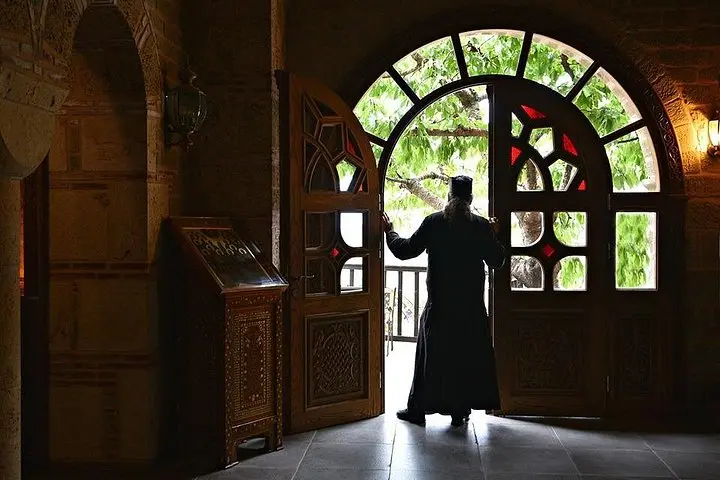
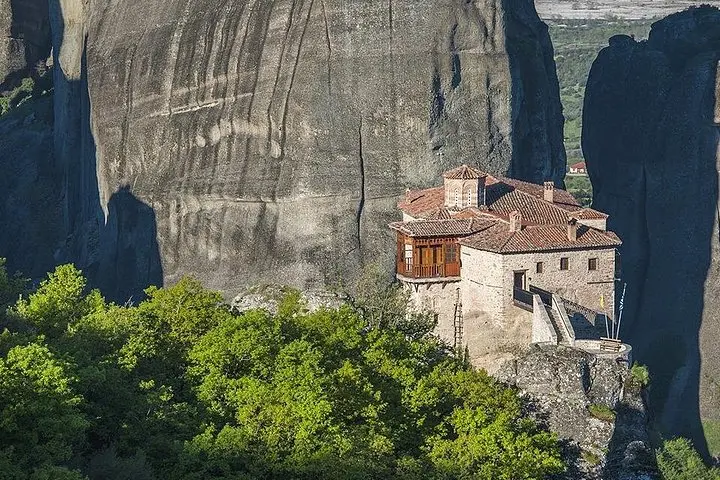
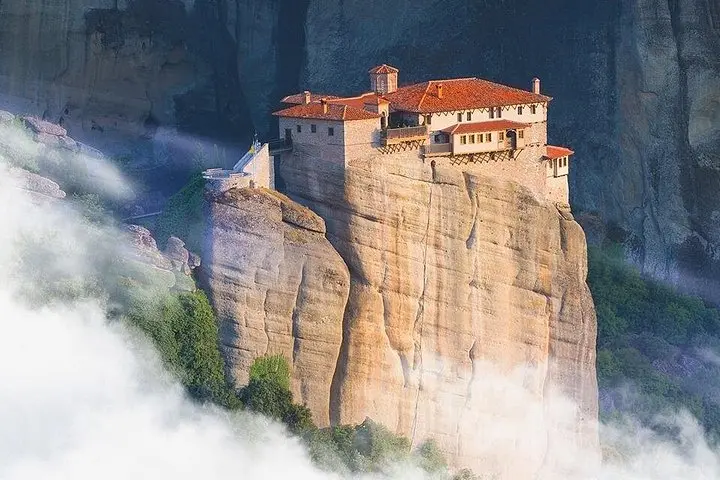
The monasteries clinging to those cliffs date to the late Byzantine era, when monks hauled supplies by rope and net to reach solitude. Six monasteries survive today; most guided day trips visit three, timed to operating hours. Inside are frescoed chapels, carved icons and wooden balconies that put the plain far below, a humbling perspective on devotion and endurance.
Geology and history come together here: ancient marine sediments compressed and uplifted, then eroded into vertical forms that dared people to live on them. Kastraki and Kalampaka at the rock feet offer tavernas and stonework crafts, and a traditional Greek lunch in Kastraki gives a practical pause between viewpoints.
Practical guidance: expect about five hours of coach travel each way from Athens and a long day (12–15 hours). Carry modest clothing for monastery entry (women need skirts; no shorts for men), €5 cash per monastery, sturdy shoes for uneven stairs, water and windproof layers. Be ready to climb carved staircases and follow posted routes; stay on trails to protect fragile soils and vegetation. Aim for late-afternoon light for photography and fewer crowds. Guides with archaeological training add context, linking the stones to the people who shaped them.
The coach ride is roughly 5 hours each way, making this a full, long day; plan for 12–15 hours total including visits and stops.
No, the typical fee (~€5 per monastery) is paid on-site in cash and is not included in the tour price.
Dress is strict: men cannot wear shorts and women must wear skirts or long dresses; sleeveless tops are usually not permitted for women.
Access requires climbing multiple staircases and uneven paths, so it is not ideal for travelers with significant mobility limitations.
Ammon Express operates guided outdoor trips and adventures with an emphasis on safety, stewardship, and memorable experiences.
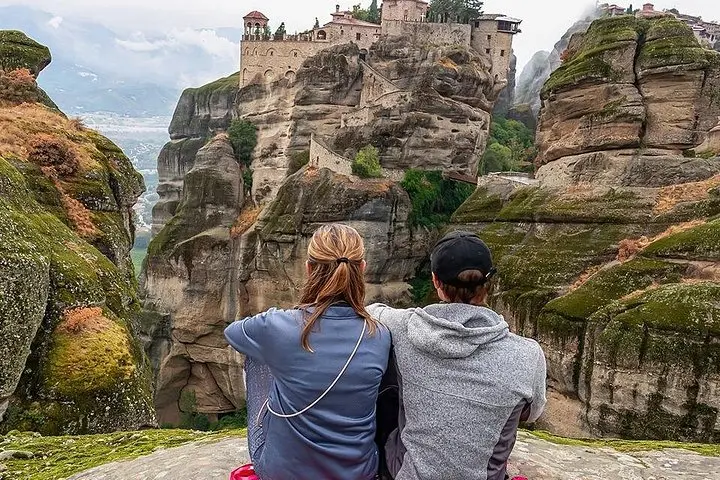
On a predawn highway out of Athens, a luxury coach carves its way north while the plain opens into long fields and low hills. By midmorning the bus eases into parking beneath Meteora’s stone pillars—sandstone towers shaped by rivers and wind into sheer cliffs that rise roughly 300–400 meters above the valley.
On a predawn highway out of Athens, a luxury coach carves its way north while the plain opens into long fields and low hills. By midmorning the bus eases into parking beneath Meteora’s stone pillars—sandstone towers shaped by rivers and wind into sheer cliffs that rise roughly 300–400 meters above the valley.
The monasteries clinging to those cliffs date to the late Byzantine era, when monks hauled supplies by rope and net to reach solitude. Six monasteries survive today; most guided day trips visit three, timed to operating hours. Inside are frescoed chapels, carved icons and wooden balconies that put the plain far below, a humbling perspective on devotion and endurance.
Geology and history come together here: ancient marine sediments compressed and uplifted, then eroded into vertical forms that dared people to live on them. Kastraki and Kalampaka at the rock feet offer tavernas and stonework crafts, and a traditional Greek lunch in Kastraki gives a practical pause between viewpoints.
Practical guidance: expect about five hours of coach travel each way from Athens and a long day (12–15 hours). Carry modest clothing for monastery entry (women need skirts; no shorts for men), €5 cash per monastery, sturdy shoes for uneven stairs, water and windproof layers. Be ready to climb carved staircases and follow posted routes; stay on trails to protect fragile soils and vegetation. Aim for late-afternoon light for photography and fewer crowds. Guides with archaeological training add context, linking the stones to the people who shaped them.