THE ADVENTURE COLLECTIVE® · Independent discovery and booking for outdoor travel

A compact, transport-inclusive tour that takes you into three of Meteora’s cliffside monasteries with local insight and minimal logistics. Ideal for travelers who want the monuments, views and history without driving or parking hassles.
A compact, transport-inclusive tour that takes you into three of Meteora’s cliffside monasteries with local insight and minimal logistics. Ideal for travelers who want the monuments, views and history without driving or parking hassles.
You arrive on a low road and the rocks rise like old towers, sunlight carving ledges and stairways into stone. The bus drops you at viewpoints where wind pushes the clouds past pinnacles; monks’ chants are an idea you can almost hear through the stone silence. This half-day tour moves deliberately — three monasteries visited inside with other foundations passed at distance — giving time to feel the scale and solitude that drew hermits here in the 14th century.
Verified experiences and guided adventures in the surrounding area.
Operated by Visit Meteora · Kalambaka, Thessaly
You arrive on a low road and the rocks rise like old towers, sunlight carving ledges and stairways into stone. The bus drops you at viewpoints where wind pushes the clouds past pinnacles; monks’ chants are an idea you can almost hear through the stone silence. This half-day tour moves deliberately — three monasteries visited inside with other foundations passed at distance — giving time to feel the scale and solitude that drew hermits here in the 14th century.
Meteora’s sandstone pillars formed from river sediments uplifted and eroded over millions of years, creating isolated summits where Orthodox monastic communities established themselves between the 14th and 16th centuries. The Great Meteoron, Varlaam and Roussanou each tell a different chapter: architectural improvisation to reach cliffs, frescoes preserving Byzantine iconography, and small museums housing manuscripts and liturgical objects.
Practically, this tour from Kalambaka or Kastraki includes hotel pickup, bottled water, English commentary and an audio guide in several languages. Expect short walks, flights of stone steps at some sites, and strict dress codes (men: trousers and sleeves; women: long skirts). Bring modest clothing or use the provided coverings, carry cash for monastery entrance fees, and wear sturdy shoes — paths can be uneven and narrow. Morning light offers the best photos and cooler temperatures; afternoons are busier. If you want more hiking time, consider staying in Kastraki and returning on a slower schedule. The tour balances cultural immersion with accessible logistics, letting the rocks and monasteries speak for themselves while you move between them with ease.
This half-day tour includes interior visits to three monasteries and views of the remaining complexes from outside.
Entrance fees are not always included; bring cash as some monasteries only accept cash payments.
Yes—hotel pickup and drop-off in Kalambaka or Kastraki are included in the tour price.
No—monasteries require modest clothing; if you arrive incorrectly dressed, robes and skirts are usually available to borrow.
Visit Meteora operates guided outdoor trips and adventures with an emphasis on safety, stewardship, and memorable experiences.
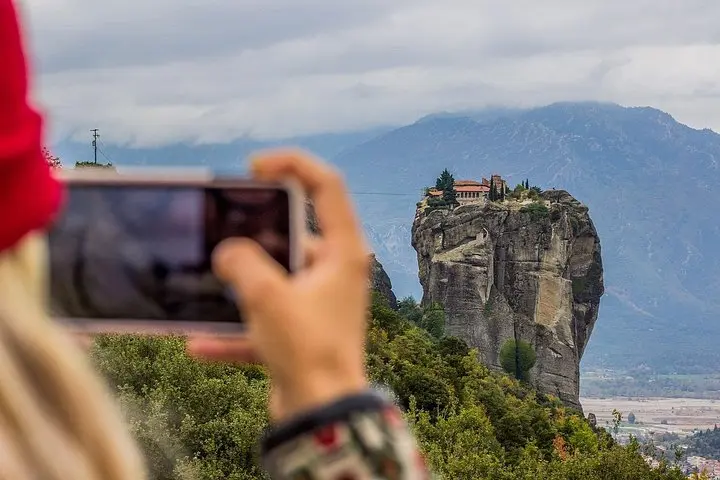
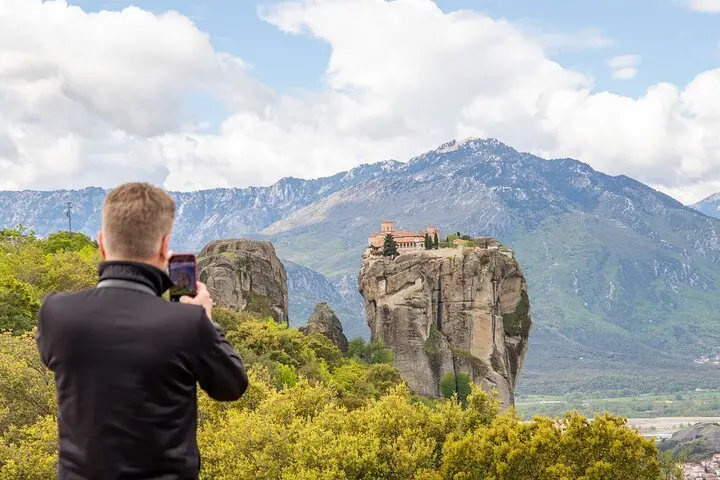
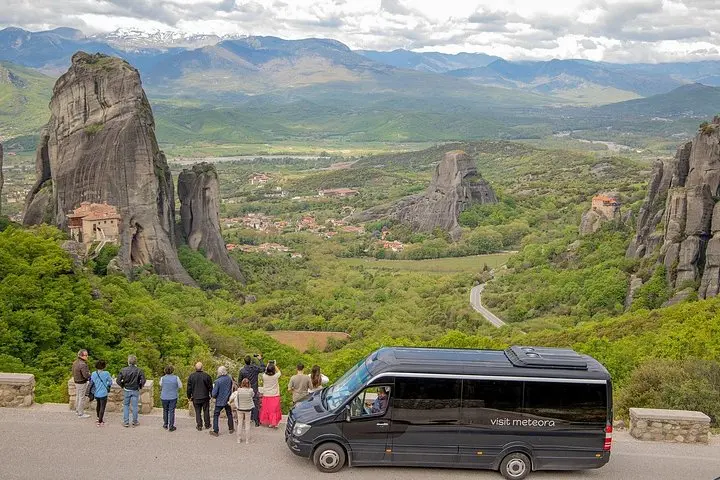
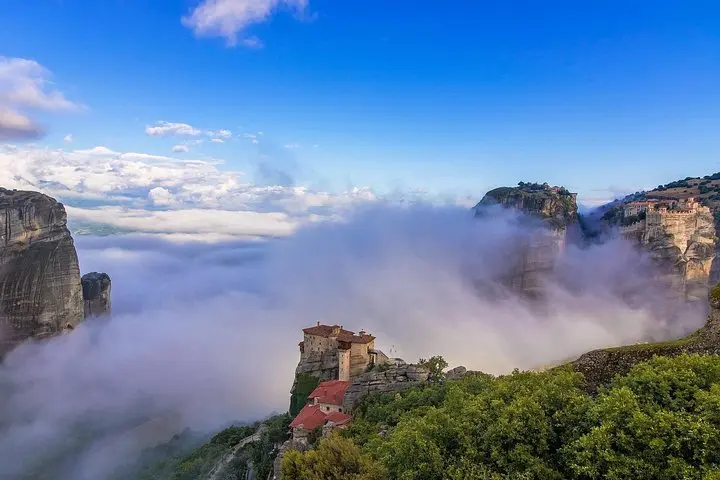
You arrive on a low road and the rocks rise like old towers, sunlight carving ledges and stairways into stone. The bus drops you at viewpoints where wind pushes the clouds past pinnacles; monks’ chants are an idea you can almost hear through the stone silence. This half-day tour moves deliberately — three monasteries visited inside with other foundations passed at distance — giving time to feel the scale and solitude that drew hermits here in the 14th century.
You arrive on a low road and the rocks rise like old towers, sunlight carving ledges and stairways into stone. The bus drops you at viewpoints where wind pushes the clouds past pinnacles; monks’ chants are an idea you can almost hear through the stone silence. This half-day tour moves deliberately — three monasteries visited inside with other foundations passed at distance — giving time to feel the scale and solitude that drew hermits here in the 14th century.
Meteora’s sandstone pillars formed from river sediments uplifted and eroded over millions of years, creating isolated summits where Orthodox monastic communities established themselves between the 14th and 16th centuries. The Great Meteoron, Varlaam and Roussanou each tell a different chapter: architectural improvisation to reach cliffs, frescoes preserving Byzantine iconography, and small museums housing manuscripts and liturgical objects.
Practically, this tour from Kalambaka or Kastraki includes hotel pickup, bottled water, English commentary and an audio guide in several languages. Expect short walks, flights of stone steps at some sites, and strict dress codes (men: trousers and sleeves; women: long skirts). Bring modest clothing or use the provided coverings, carry cash for monastery entrance fees, and wear sturdy shoes — paths can be uneven and narrow. Morning light offers the best photos and cooler temperatures; afternoons are busier. If you want more hiking time, consider staying in Kastraki and returning on a slower schedule. The tour balances cultural immersion with accessible logistics, letting the rocks and monasteries speak for themselves while you move between them with ease.