THE ADVENTURE COLLECTIVE® · Independent discovery and booking for outdoor travel

Explore Meteora’s sky-high monasteries on a full-day guided tour from Thessaloniki. Walk steep stone steps, see centuries-old frescoes, and take in panoramic views over Kalambaka.
Explore Meteora’s sky-high monasteries on a full-day guided tour from Thessaloniki. Walk steep stone steps, see centuries-old frescoes, and take in panoramic views over Kalambaka.
You step off the coach and the rock pillars rise like ancient columns, their faces scored by wind and rain; the air smells of pine and dust. Meteora’s cliffs hold monasteries that seem to have grown out of stone, perched where monks sought solitude and a vantage on the plains below.
Verified experiences and guided adventures in the surrounding area.
Operated by Holidaytours by Filos Travel · Kalambaka, Thessaly
You step off the coach and the rock pillars rise like ancient columns, their faces scored by wind and rain; the air smells of pine and dust. Meteora’s cliffs hold monasteries that seem to have grown out of stone, perched where monks sought solitude and a vantage on the plains below.
Geology here is plain and dramatic: conglomerate sandstone laid down some 60 million years ago and carved into towers by erosion. History follows the contours — hermitages and monastic communities consolidated in the 12th century, their frescoes and icons surviving Ottoman rule and modern tourism. Kalambaka and neighboring Kastraki still whisper local life: small tavernas, stone courtyards, and shepherds’ paths.
This full-day, guided loop visits two well-preserved monasteries, offering interior frescoes, refectory details, and sweeping viewpoints. Expect staircases, uneven stone paths, and short uphill walks between viewpoints. Photography is welcome outside; modest dress and quiet respect are required inside sacred spaces.
Practical edge: arrive hydrated, wear sturdy walking shoes, and leave bulky bags on the coach — monastery access often involves narrow steps and small entries. Midday is busiest; early or late in the day the light favors photography and the crowds thin.
Whether you’re after Byzantine art, geology, or simply a high place to feel the wind, Meteora delivers a clear, tactile encounter with landscape and history — an accessible, unforgettable day on the Greek spine.
The full-day tour runs about 11–12 hours with early-morning pickups in Thessaloniki as listed on your booking confirmation.
Most bookings include transportation and guiding but not entrance fees; expect small on-site charges at some monasteries.
The tour is family-friendly but involves stairs and uneven paths; travelers with limited mobility may find some monastery accesses challenging.
Lunch is not typically included; the itinerary includes a stop in Kalambaka where you can buy a meal at local tavernas.
Holidaytours by Filos Travel operates guided outdoor trips and adventures with an emphasis on safety, stewardship, and memorable experiences.
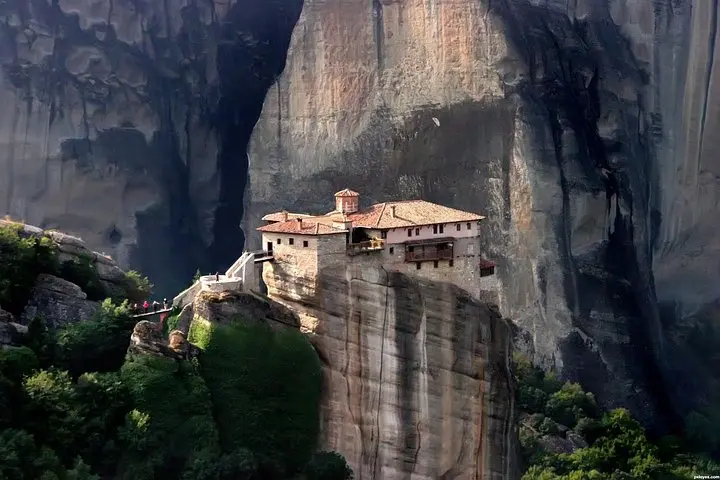
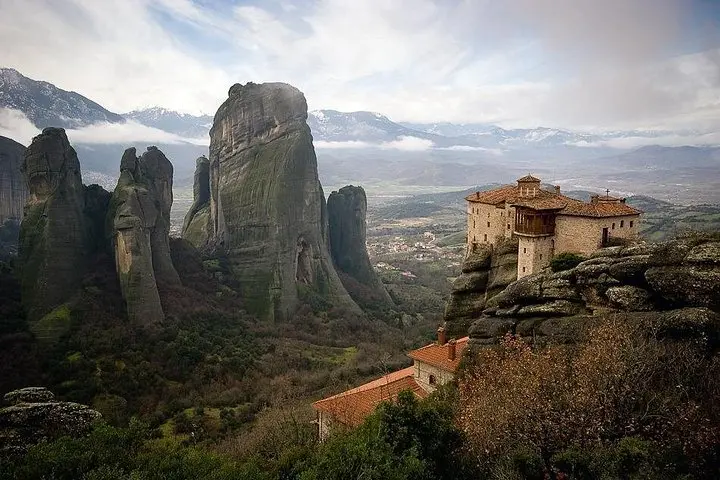
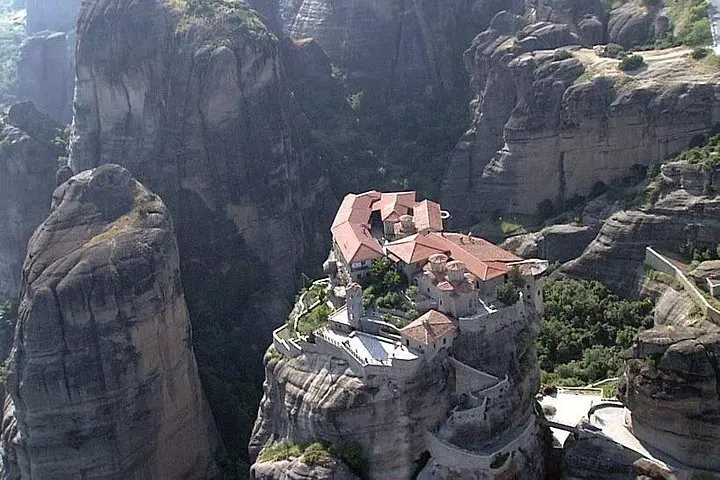
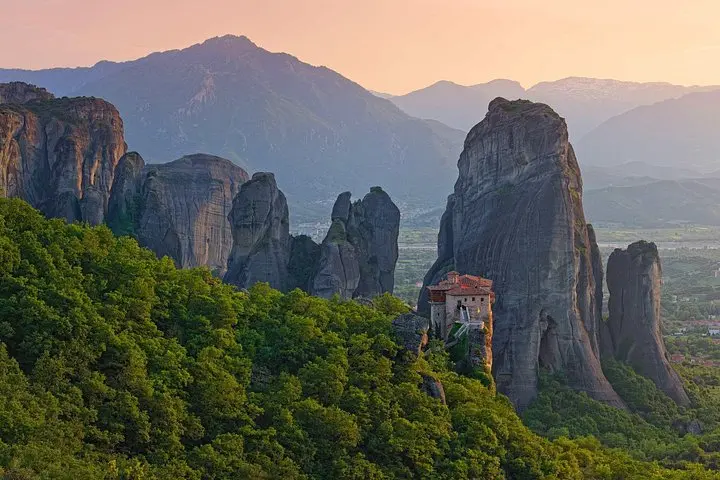
You step off the coach and the rock pillars rise like ancient columns, their faces scored by wind and rain; the air smells of pine and dust. Meteora’s cliffs hold monasteries that seem to have grown out of stone, perched where monks sought solitude and a vantage on the plains below.
You step off the coach and the rock pillars rise like ancient columns, their faces scored by wind and rain; the air smells of pine and dust. Meteora’s cliffs hold monasteries that seem to have grown out of stone, perched where monks sought solitude and a vantage on the plains below.
Geology here is plain and dramatic: conglomerate sandstone laid down some 60 million years ago and carved into towers by erosion. History follows the contours — hermitages and monastic communities consolidated in the 12th century, their frescoes and icons surviving Ottoman rule and modern tourism. Kalambaka and neighboring Kastraki still whisper local life: small tavernas, stone courtyards, and shepherds’ paths.
This full-day, guided loop visits two well-preserved monasteries, offering interior frescoes, refectory details, and sweeping viewpoints. Expect staircases, uneven stone paths, and short uphill walks between viewpoints. Photography is welcome outside; modest dress and quiet respect are required inside sacred spaces.
Practical edge: arrive hydrated, wear sturdy walking shoes, and leave bulky bags on the coach — monastery access often involves narrow steps and small entries. Midday is busiest; early or late in the day the light favors photography and the crowds thin.
Whether you’re after Byzantine art, geology, or simply a high place to feel the wind, Meteora delivers a clear, tactile encounter with landscape and history — an accessible, unforgettable day on the Greek spine.