THE ADVENTURE COLLECTIVE® · Independent discovery and booking for outdoor travel

See Meteora’s soaring sandstone pillars and two historic monasteries on an 11-hour guided day trip from Thessaloniki. This full-day tour combines panoramic viewpoints, monastery visits, and free time in Kalambaka for a practical, photo-ready experience.
See Meteora’s soaring sandstone pillars and two historic monasteries on an 11-hour guided day trip from Thessaloniki. This full-day tour combines panoramic viewpoints, monastery visits, and free time in Kalambaka for a practical, photo-ready experience.
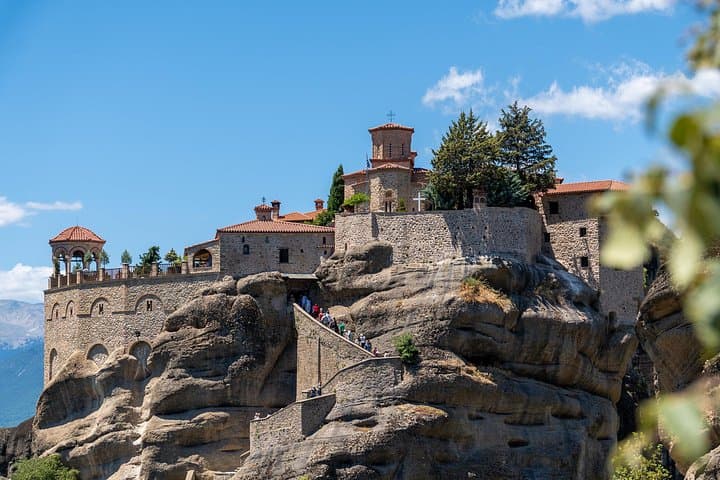
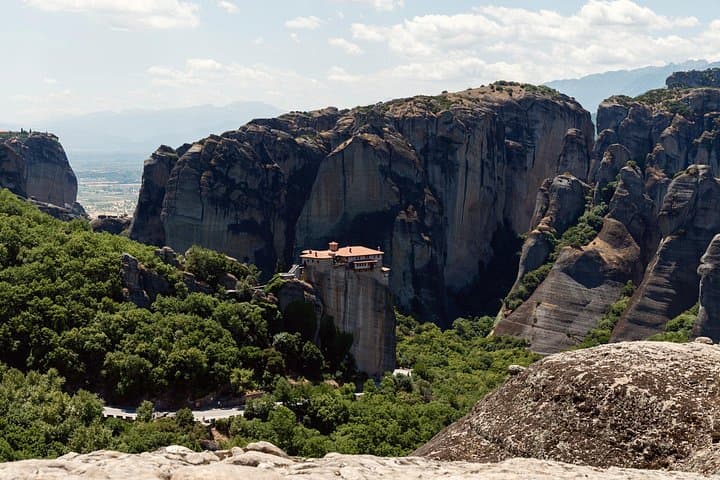
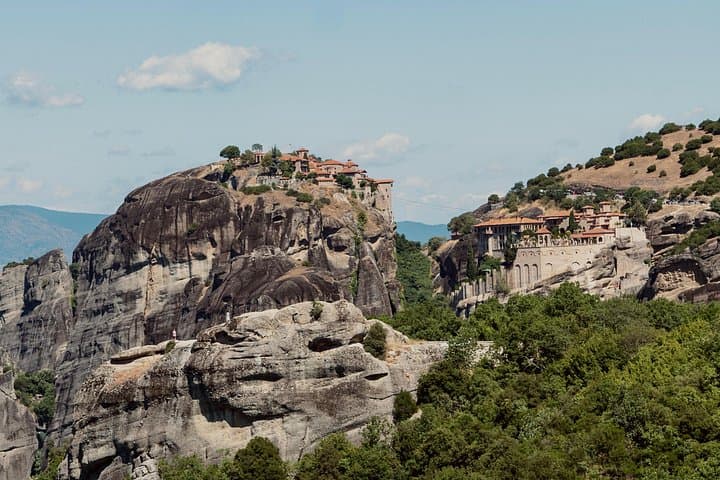
You arrive as the road opens onto the Thessalian plain and the rocks appear like islands rising from wheat fields—massive pillars of sandstone that seem to refuse gravity. By mid-morning the coach pulls into the Meteora plateau and the air changes: wind skims the cliffs, bells mark cloistered hours, and the path narrows toward centuries-old stone stairways.
Verified experiences and guided adventures in the surrounding area.
Operated by Daily Tours by Iole Travel · Kalambaka, Thessaly
You arrive as the road opens onto the Thessalian plain and the rocks appear like islands rising from wheat fields—massive pillars of sandstone that seem to refuse gravity. By mid-morning the coach pulls into the Meteora plateau and the air changes: wind skims the cliffs, bells mark cloistered hours, and the path narrows toward centuries-old stone stairways.
Meteora’s cliffs formed over 60 million years of sediment and erosion; monks began carving a monastic life here in the 11th–14th centuries, hauling supplies up by rope and ladder. The monasteries—Byzantine in character—hold frescoed churches, small museums, and narrow courtyards that look out over the valley. Kalambaka and nearby Kastraki still live in the shadow of these rocks, offering tavernas and crafts that reflect a rural Thessaly shaped by agriculture and Orthodox tradition.
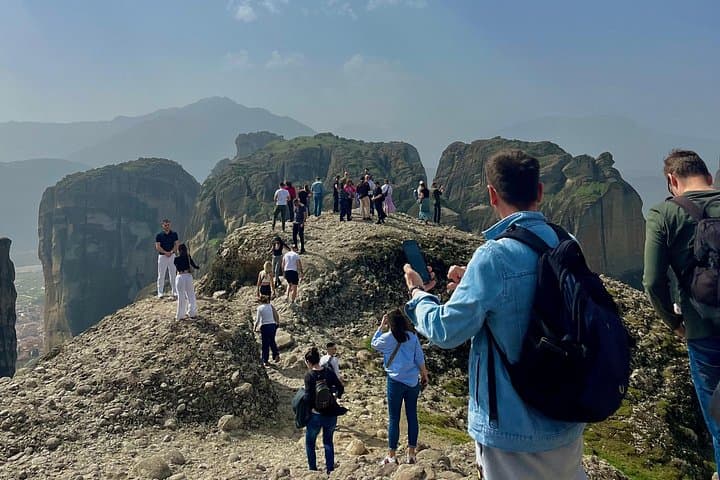
Practically, the tour moves briskly: expect two monastery visits (selected from Great Meteoron, Varlaam, Roussanou, or St. Stefanos), a panoramic photo stop, and roughly an hour in Kalambaka for lunch. Paths include uneven stone steps and short paved roads—nothing technical, but some climbs and ledges. Monasteries enforce modest dress and may have restricted entry times; bring cash for small fees or souvenirs.
Timing matters—arrive prepared with layers for wind, sturdy footwear for steps, and a charged camera. If you’re sensitive to crowds, aim for shoulder seasons. This is a day built for wide views and quiet moments inside ancient chapels; move deliberately and you’ll walk away with both photographs and a stronger sense of place.
Expect about 5–6 hours of round-trip driving within an 11-hour tour; the coach departs early and returns in the evening.
Entry to two monasteries is included in the itinerary selection, but some monasteries may request a small donation or have variable opening hours.
Not ideal—access involves numerous stone steps and uneven surfaces; contact the operator to discuss specific accessibility needs.
No—there is free time in Kalambaka to choose a taverna; bring cash for small local eateries and souvenirs.
Daily Tours by Iole Travel operates guided outdoor trips and adventures with an emphasis on safety, stewardship, and memorable experiences.
You arrive as the road opens onto the Thessalian plain and the rocks appear like islands rising from wheat fields—massive pillars of sandstone that seem to refuse gravity. By mid-morning the coach pulls into the Meteora plateau and the air changes: wind skims the cliffs, bells mark cloistered hours, and the path narrows toward centuries-old stone stairways.
You arrive as the road opens onto the Thessalian plain and the rocks appear like islands rising from wheat fields—massive pillars of sandstone that seem to refuse gravity. By mid-morning the coach pulls into the Meteora plateau and the air changes: wind skims the cliffs, bells mark cloistered hours, and the path narrows toward centuries-old stone stairways.
Meteora’s cliffs formed over 60 million years of sediment and erosion; monks began carving a monastic life here in the 11th–14th centuries, hauling supplies up by rope and ladder. The monasteries—Byzantine in character—hold frescoed churches, small museums, and narrow courtyards that look out over the valley. Kalambaka and nearby Kastraki still live in the shadow of these rocks, offering tavernas and crafts that reflect a rural Thessaly shaped by agriculture and Orthodox tradition.
Practically, the tour moves briskly: expect two monastery visits (selected from Great Meteoron, Varlaam, Roussanou, or St. Stefanos), a panoramic photo stop, and roughly an hour in Kalambaka for lunch. Paths include uneven stone steps and short paved roads—nothing technical, but some climbs and ledges. Monasteries enforce modest dress and may have restricted entry times; bring cash for small fees or souvenirs.
Timing matters—arrive prepared with layers for wind, sturdy footwear for steps, and a charged camera. If you’re sensitive to crowds, aim for shoulder seasons. This is a day built for wide views and quiet moments inside ancient chapels; move deliberately and you’ll walk away with both photographs and a stronger sense of place.