THE ADVENTURE COLLECTIVE® · Independent discovery and booking for outdoor travel

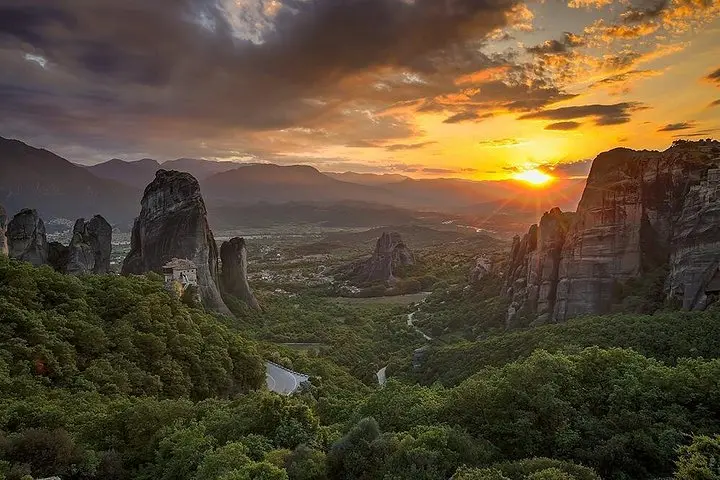
Spend a long, light-filled day photographing Meteora’s cliff-top monasteries with a pro guide. Learn composition and exposure while you move between dramatic viewpoints and capture sunset over ancient sandstone pillars.
Spend a long, light-filled day photographing Meteora’s cliff-top monasteries with a pro guide. Learn composition and exposure while you move between dramatic viewpoints and capture sunset over ancient sandstone pillars.
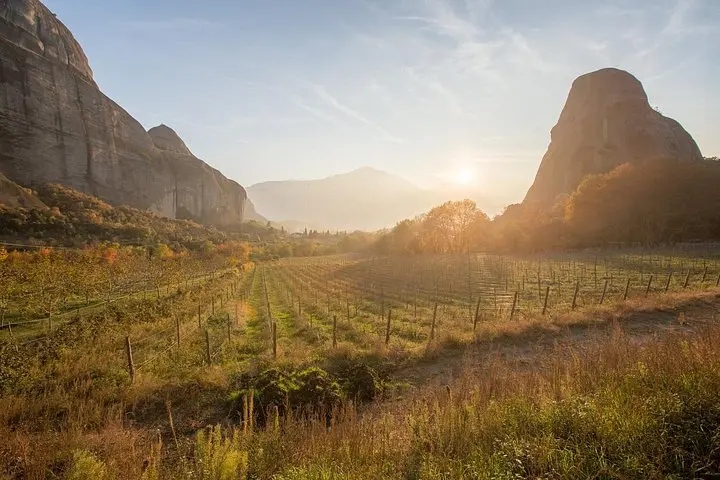
You step off the slow-moving train into a wind that seems to push you toward the cliffs—Meteora’s sandstone pillars standing like blunt, weathered columns above a patchwork of olive groves. Light falls across monk-built terraces and stone-roofed monasteries; a professional photographer at your side points out the angle that separates a snapshot from an image with depth.
Verified experiences and guided adventures in the surrounding area.
Operated by Athens Photo Tour · Kalabaka, Thessaly
You step off the slow-moving train into a wind that seems to push you toward the cliffs—Meteora’s sandstone pillars standing like blunt, weathered columns above a patchwork of olive groves. Light falls across monk-built terraces and stone-roofed monasteries; a professional photographer at your side points out the angle that separates a snapshot from an image with depth.
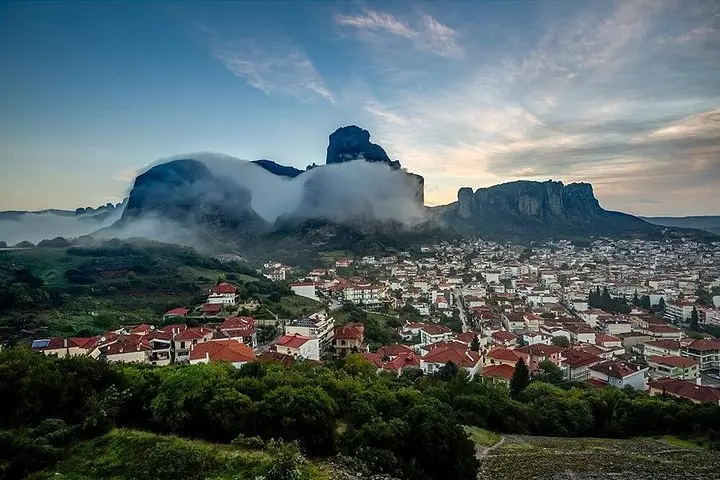
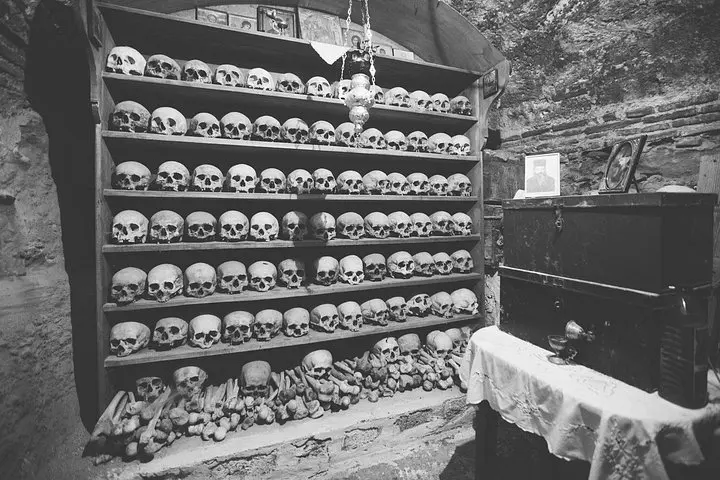
Meteora’s rocks were formed 60 million years ago from riverbed sediments uplifted and sculpted by rain and frost. By the 14th century, hermit monks chose these high, hard pinnacles for solitude, carving stairways and small chapels into impossible ledges. The area around Kalabaka and nearby Kastraki combines Byzantine faith, Ottoman-era history, and rural Greek life—tea houses, sheep-dotted ridgelines, and trail markers worn by centuries of footsteps.
Expect uneven stone paths and short stair climbs between viewpoints and monasteries; distances are modest but the day is long—the full itinerary moves from train to van to multiple outlooks and a sunset shoot. Cultural rules matter: shoulders and knees must be covered to enter monastic precincts. The photographer guide will share composition tips, exposure settings for golden-hour light, and how to work with fast-moving clouds that often race across the valley.
Practical notes: bring a small tripod (rentals may be available), spare batteries, and comfortable shoes for slick flagstones. Time your arrival to allow daylight scouting before sunset—the rocks change character quickly. Hydrate on the train, carry cash for monastery donations, and plan for a 12–14 hour day that rewards patience with frames few landscapes offer.
Yes—most monasteries enforce a strict dress code (no shorts or sleeveless tops) and may request a small donation; bring a scarf or lightweight cover-up.
Train tickets to and from Meteora are included in the tour; travel time is roughly 4–5 hours each way depending on schedule and connections.
Yes—the guide teaches practical techniques suited to a range of skill levels, though basic camera familiarity helps you apply tips faster.
Minimum age is 6; uneven surfaces and stairs make the tour less suitable for travelers with significant walking disabilities.
Athens Photo Tour operates guided outdoor trips and adventures with an emphasis on safety, stewardship, and memorable experiences.
You step off the slow-moving train into a wind that seems to push you toward the cliffs—Meteora’s sandstone pillars standing like blunt, weathered columns above a patchwork of olive groves. Light falls across monk-built terraces and stone-roofed monasteries; a professional photographer at your side points out the angle that separates a snapshot from an image with depth.
You step off the slow-moving train into a wind that seems to push you toward the cliffs—Meteora’s sandstone pillars standing like blunt, weathered columns above a patchwork of olive groves. Light falls across monk-built terraces and stone-roofed monasteries; a professional photographer at your side points out the angle that separates a snapshot from an image with depth.
Meteora’s rocks were formed 60 million years ago from riverbed sediments uplifted and sculpted by rain and frost. By the 14th century, hermit monks chose these high, hard pinnacles for solitude, carving stairways and small chapels into impossible ledges. The area around Kalabaka and nearby Kastraki combines Byzantine faith, Ottoman-era history, and rural Greek life—tea houses, sheep-dotted ridgelines, and trail markers worn by centuries of footsteps.
Expect uneven stone paths and short stair climbs between viewpoints and monasteries; distances are modest but the day is long—the full itinerary moves from train to van to multiple outlooks and a sunset shoot. Cultural rules matter: shoulders and knees must be covered to enter monastic precincts. The photographer guide will share composition tips, exposure settings for golden-hour light, and how to work with fast-moving clouds that often race across the valley.
Practical notes: bring a small tripod (rentals may be available), spare batteries, and comfortable shoes for slick flagstones. Time your arrival to allow daylight scouting before sunset—the rocks change character quickly. Hydrate on the train, carry cash for monastery donations, and plan for a 12–14 hour day that rewards patience with frames few landscapes offer.