THE ADVENTURE COLLECTIVE® · Independent discovery and booking for outdoor travel

Stand beneath towering sandstone pillars and trace the narrow stairways where monks once hauled materials by rope. This private day trip from Thessaloniki visits Meteora’s monasteries and viewpoints, combining dramatic geology with living Byzantine culture.
Stand beneath towering sandstone pillars and trace the narrow stairways where monks once hauled materials by rope. This private day trip from Thessaloniki visits Meteora’s monasteries and viewpoints, combining dramatic geology with living Byzantine culture.
You crest a low ridge and the world changes: blunt sandstone towers thrust from the Thessalian plain, their vertical faces catching the light like weathered columns. A wind scours the gaps and seems to dare you closer; gulls and raptors wheel around sheer walls as monk-made paths cut across steep spurs.
Verified experiences and guided adventures in the surrounding area.
Operated by Hello Thessaloniki · Kalambaka, Thessaly
You crest a low ridge and the world changes: blunt sandstone towers thrust from the Thessalian plain, their vertical faces catching the light like weathered columns. A wind scours the gaps and seems to dare you closer; gulls and raptors wheel around sheer walls as monk-made paths cut across steep spurs.
Meteora — literally “suspended in space” — is both a geological oddity and a cultural fortress. These pillars are cemented sandstone and conglomerate left by prehistoric rivers and then sculpted by millennia of weathering and faulting. From the 14th century hermit monks scaled these rocks, hauling planks and stones in nets and baskets to build remote Orthodox monasteries; today those same monasteries hold icons, frescoes and a living monastic tradition recognized by UNESCO.
The villages of Kastraki and Kalambaka sit like human foothills at the pillars’ base; narrow lanes lead to viewpoints where sunrise and late afternoon paint the faces in gold. Walk the carved steps between Great Meteoron and Varlaam, or sit at a roadside kafeneio and watch shepherds move their flocks below.
Practically: expect a long day (roughly 10 hours from Thessaloniki), lots of stone steps and uneven trails, and short walks between viewpoints and monasteries. Dress respectfully for monastery entry (shoulders and knees covered), bring a refillable water bottle, cash for small entrance fees and a camera with spare battery. If you suffer from vertigo or limited mobility, notify your guide in advance; otherwise, moderate fitness and sturdy shoes make this one of Greece’s most memorable day trips.
The tour runs about 10 hours round-trip, including driving time, stops at viewpoints and visits inside several monasteries.
Yes—both men and women must cover knees and shoulders; women may be asked to wear a skirt or wrap if needed.
Small entrance fees are typically not included; bring modest cash for each monastery you plan to enter.
The trip can be adapted for children, but many monasteries and viewpoints require stair climbs; discuss mobility needs with the operator before booking.
Hello Thessaloniki operates guided outdoor trips and adventures with an emphasis on safety, stewardship, and memorable experiences.
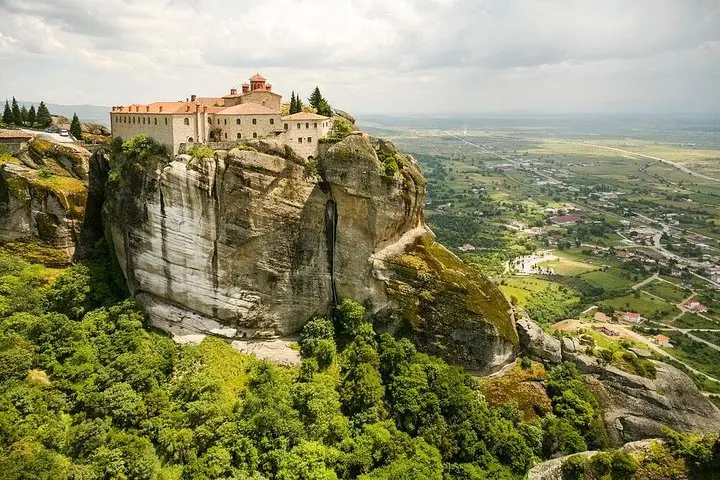
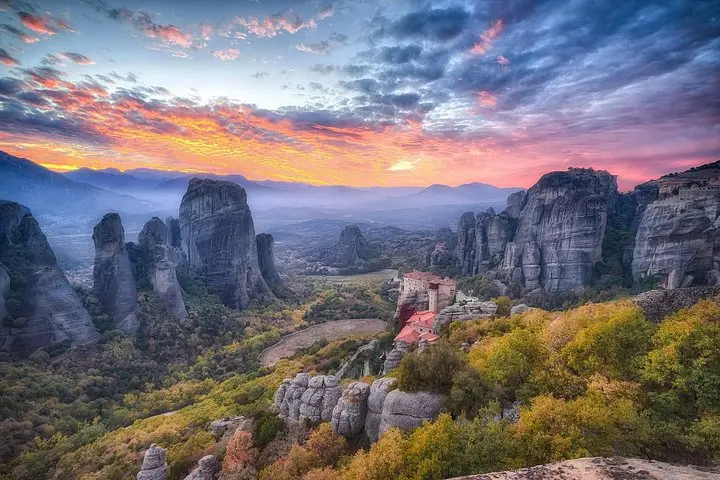
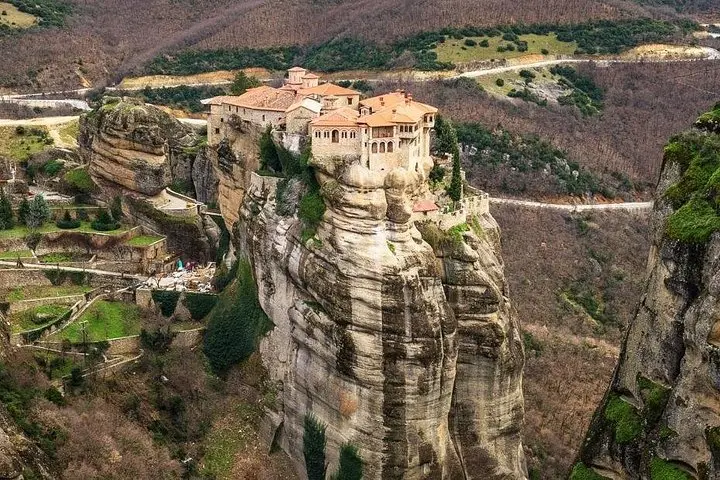
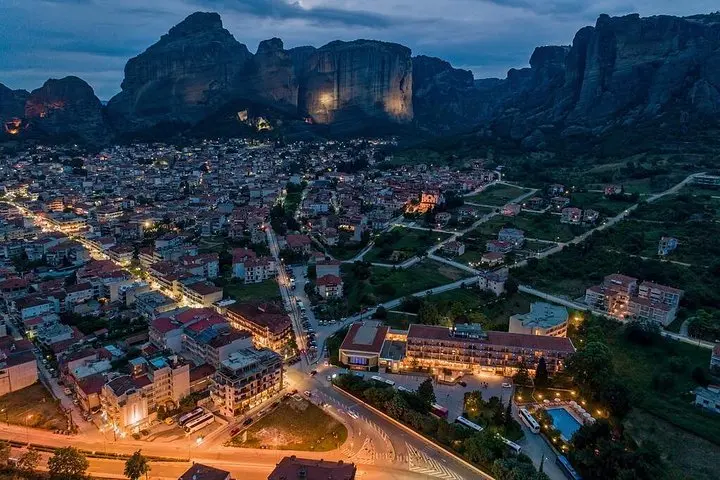
You crest a low ridge and the world changes: blunt sandstone towers thrust from the Thessalian plain, their vertical faces catching the light like weathered columns. A wind scours the gaps and seems to dare you closer; gulls and raptors wheel around sheer walls as monk-made paths cut across steep spurs.
You crest a low ridge and the world changes: blunt sandstone towers thrust from the Thessalian plain, their vertical faces catching the light like weathered columns. A wind scours the gaps and seems to dare you closer; gulls and raptors wheel around sheer walls as monk-made paths cut across steep spurs.
Meteora — literally “suspended in space” — is both a geological oddity and a cultural fortress. These pillars are cemented sandstone and conglomerate left by prehistoric rivers and then sculpted by millennia of weathering and faulting. From the 14th century hermit monks scaled these rocks, hauling planks and stones in nets and baskets to build remote Orthodox monasteries; today those same monasteries hold icons, frescoes and a living monastic tradition recognized by UNESCO.
The villages of Kastraki and Kalambaka sit like human foothills at the pillars’ base; narrow lanes lead to viewpoints where sunrise and late afternoon paint the faces in gold. Walk the carved steps between Great Meteoron and Varlaam, or sit at a roadside kafeneio and watch shepherds move their flocks below.
Practically: expect a long day (roughly 10 hours from Thessaloniki), lots of stone steps and uneven trails, and short walks between viewpoints and monasteries. Dress respectfully for monastery entry (shoulders and knees covered), bring a refillable water bottle, cash for small entrance fees and a camera with spare battery. If you suffer from vertigo or limited mobility, notify your guide in advance; otherwise, moderate fitness and sturdy shoes make this one of Greece’s most memorable day trips.