THE ADVENTURE COLLECTIVE® · Independent discovery and booking for outdoor travel

A full-day private transfer from Corfu to Meteora takes you to three cliff-top monasteries — Varlaam, Rousson and the Great Meteoron — combining dramatic geology and Byzantine history. Expect a long travel day, uneven paths, and unforgettable views above the Thessalian plain.
A full-day private transfer from Corfu to Meteora takes you to three cliff-top monasteries — Varlaam, Rousson and the Great Meteoron — combining dramatic geology and Byzantine history. Expect a long travel day, uneven paths, and unforgettable views above the Thessalian plain.
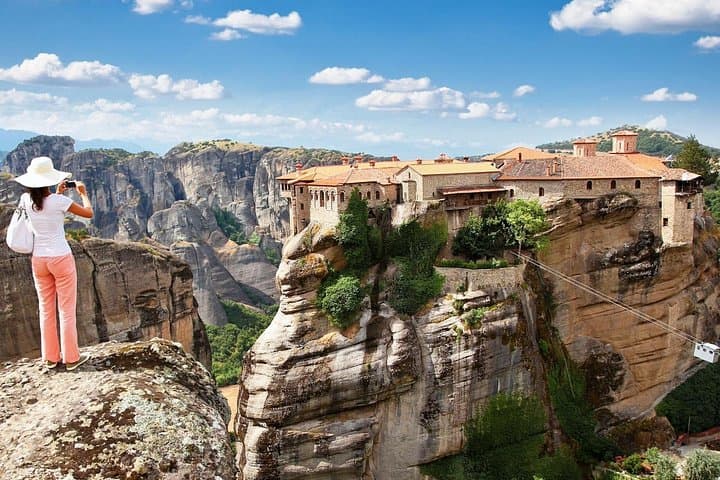
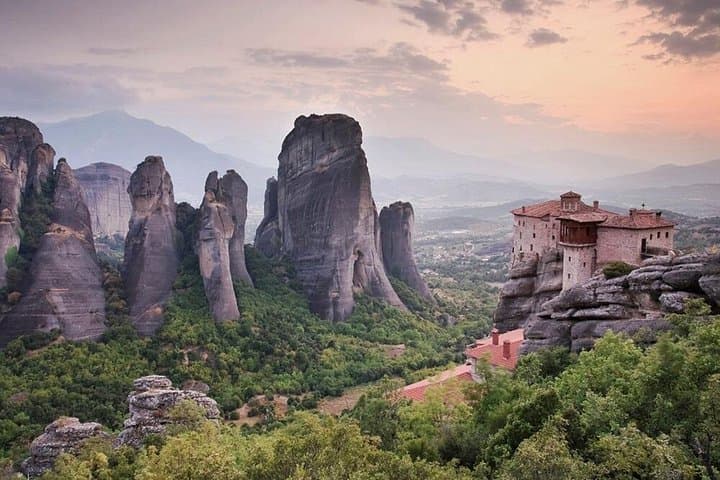
You step off the ferry with salt still on your jacket and the mainland air pulling you inland — a slow, steady road climb brings the cliffs of Meteora into view, towers of sandstone rising like islands from wheat fields.
Verified experiences and guided adventures in the surrounding area.
Operated by DESTINYcfu · Kalabaka, Thessaly
You step off the ferry with salt still on your jacket and the mainland air pulling you inland — a slow, steady road climb brings the cliffs of Meteora into view, towers of sandstone rising like islands from wheat fields.
These rock pinnacles, carved by millennia of river and wind, host monasteries clinging to ledges since the 13th century. On a private tour from Corfu you'll visit three of the most visited sites: Varlaam’s broad terraces, the compact Rousson (Rousanou) spire, and the Great Meteoron (Big Meteor), each with chapels, frescoes and rope-ladder histories that tell of hermits and ascetic communities who sought solitude above the plain.
Geology here is bluntly readable: soft sandstone layers fractured and lifted by tectonics, then sculpted by erosion into the steep towers you walk beneath. Culturally, Meteora is a living Orthodox center — monks and nuns still maintain monastic routines, and signs of Byzantine art survive in dim, incense-tinged interiors.
Practically, expect a long day: a ferry transfer to the mainland followed by several hours of driving and walking; stairs and uneven stone paths are standard. Carry good walking shoes, 1.5–2 liters of water, sun protection and modest clothing for monastery entry. Lunch is typically independent; small cafes in Kalabaka and Kastraki serve hearty local fare.
Book with flexible timing to catch softer morning light or late afternoon calm; weather can close access in storms, and some sites charge small entrance fees. The result is an immersive, physical day where wind and stone insist you pay attention.
The tour includes a ferry to the mainland and several hours’ driving; plan for a full 10-hour day from pickup to return, depending on ferry schedules.
Admission is typically not included in this private tour — bring small change for entry donations and museum tickets.
Children can do the tour but stair climbs may be strenuous; travelers with limited mobility should note uneven paths and many steps at the sites.
Yes — the itinerary allows for a lunch stop in Kalabaka or Kastraki; meals are usually independent, with tavernas offering local dishes.
DESTINYcfu operates guided outdoor trips and adventures with an emphasis on safety, stewardship, and memorable experiences.
You step off the ferry with salt still on your jacket and the mainland air pulling you inland — a slow, steady road climb brings the cliffs of Meteora into view, towers of sandstone rising like islands from wheat fields.
You step off the ferry with salt still on your jacket and the mainland air pulling you inland — a slow, steady road climb brings the cliffs of Meteora into view, towers of sandstone rising like islands from wheat fields.
These rock pinnacles, carved by millennia of river and wind, host monasteries clinging to ledges since the 13th century. On a private tour from Corfu you'll visit three of the most visited sites: Varlaam’s broad terraces, the compact Rousson (Rousanou) spire, and the Great Meteoron (Big Meteor), each with chapels, frescoes and rope-ladder histories that tell of hermits and ascetic communities who sought solitude above the plain.
Geology here is bluntly readable: soft sandstone layers fractured and lifted by tectonics, then sculpted by erosion into the steep towers you walk beneath. Culturally, Meteora is a living Orthodox center — monks and nuns still maintain monastic routines, and signs of Byzantine art survive in dim, incense-tinged interiors.
Practically, expect a long day: a ferry transfer to the mainland followed by several hours of driving and walking; stairs and uneven stone paths are standard. Carry good walking shoes, 1.5–2 liters of water, sun protection and modest clothing for monastery entry. Lunch is typically independent; small cafes in Kalabaka and Kastraki serve hearty local fare.
Book with flexible timing to catch softer morning light or late afternoon calm; weather can close access in storms, and some sites charge small entrance fees. The result is an immersive, physical day where wind and stone insist you pay attention.