THE ADVENTURE COLLECTIVE® · Independent discovery and booking for outdoor travel

A private four-hour introduction to Meteora’s cliff monasteries, rock pillars, and local culture with hotel pickup in Kalambaka. Perfect for first-time visitors seeking a flexible itinerary, guided viewpoints, and short walks between extraordinary sandstone formations.
A private four-hour introduction to Meteora’s cliff monasteries, rock pillars, and local culture with hotel pickup in Kalambaka. Perfect for first-time visitors seeking a flexible itinerary, guided viewpoints, and short walks between extraordinary sandstone formations.
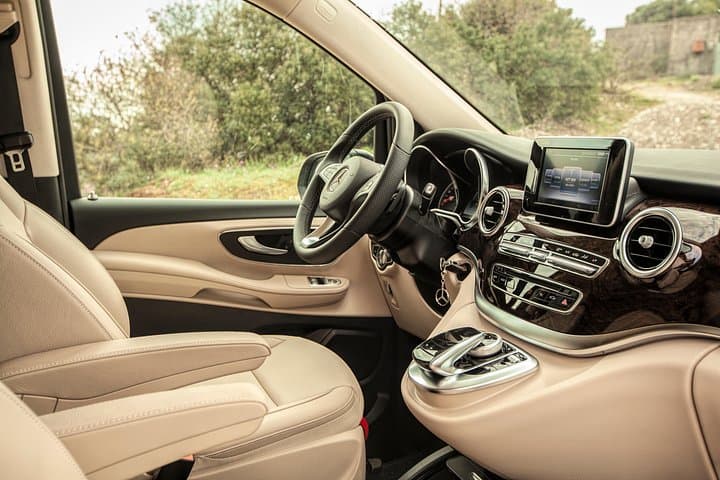
You step out of the private vehicle where cliffs rise like stacked towers, the afternoon light washing the sandstone columns gold. Wind slides through the narrow passes; the rocks seem to watch as you walk toward centuries-old steps carved into sheer faces. Your guide sets the pace, pointing out hidden ledges and the narrow footpaths monks used to move between hermitages.
Verified experiences and guided adventures in the surrounding area.
Operated by Visit Meteora · Kalambaka, Thessaly
You step out of the private vehicle where cliffs rise like stacked towers, the afternoon light washing the sandstone columns gold. Wind slides through the narrow passes; the rocks seem to watch as you walk toward centuries-old steps carved into sheer faces. Your guide sets the pace, pointing out hidden ledges and the narrow footpaths monks used to move between hermitages.
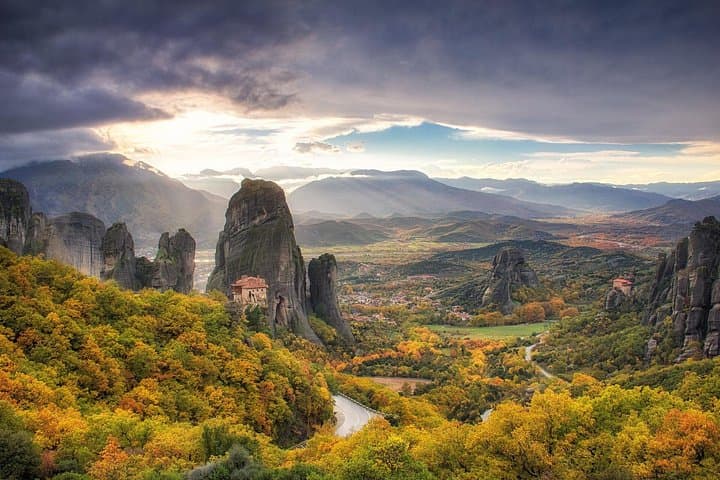
Meteora’s landscape is geological history made visible: Miocene river sediments turned to hard sandstone and conglomerate, then uplifted and eroded into pillars over millions of years. The monasteries, established by ascetics from the 11th century onward, cling to these pillars—practical retreats and cultural keepsakes. Kalambaka and the small village of Kastraki supply the local flavor: tavernas pouring dark coffee and plates of lamb, and stone homes with views of the rocks.
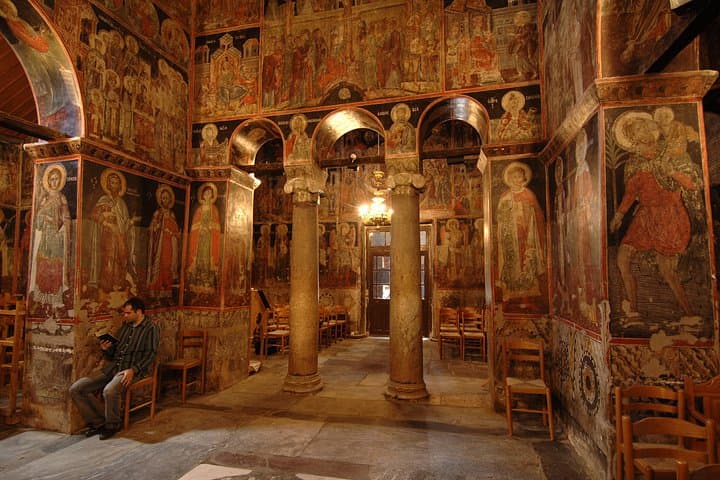
A typical private four-hour tour visits two active monasteries, with time to take photos from viewpoints and walk short, sometimes steep staircases. Expect uneven stone steps, narrow lanes, and strict dress codes at religious sites—knees and shoulders covered. The route is flexible: morning tours favor cooler light and fewer people; afternoons offer warmer tones but more visitors.
Practical notes: wear sturdy shoes with grip, bring a refillable water bottle, and leave large backpacks at the vehicle. Cameras are welcomed but be mindful of quiet zones. If you want fewer crowds, request an early start; if mobility is limited, ask the operator about reduced-step access. This is an experience that mixes geology, faith, and dramatic walking—compact, accessible, and deeply visual.
No—admission fees to individual monasteries are not included in the tour price and are paid on site (cash usually accepted).
This private four-hour tour typically includes visits to two monasteries, with stops at several viewpoints; the exact itinerary is flexible.
Yes—knees and shoulders must be covered for both men and women. If you arrive improperly dressed, entry can be refused.
Parts of Meteora require climbing stone steps and navigating narrow paths; discuss mobility needs when booking to adjust the itinerary or focus on accessible viewpoints.
Visit Meteora operates guided outdoor trips and adventures with an emphasis on safety, stewardship, and memorable experiences.
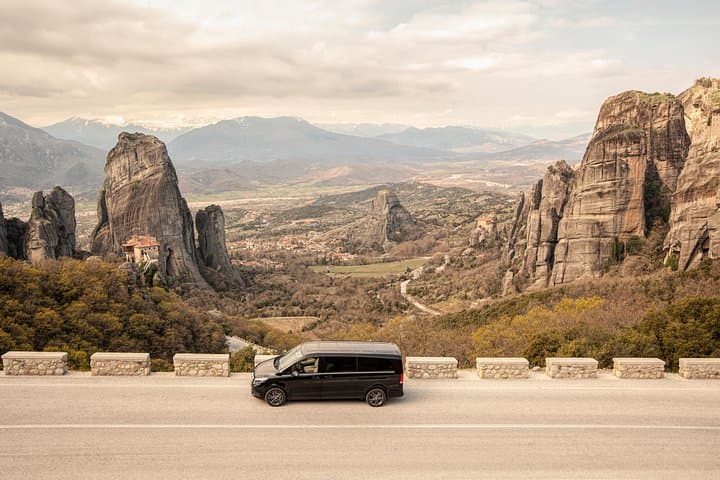
You step out of the private vehicle where cliffs rise like stacked towers, the afternoon light washing the sandstone columns gold. Wind slides through the narrow passes; the rocks seem to watch as you walk toward centuries-old steps carved into sheer faces. Your guide sets the pace, pointing out hidden ledges and the narrow footpaths monks used to move between hermitages.
You step out of the private vehicle where cliffs rise like stacked towers, the afternoon light washing the sandstone columns gold. Wind slides through the narrow passes; the rocks seem to watch as you walk toward centuries-old steps carved into sheer faces. Your guide sets the pace, pointing out hidden ledges and the narrow footpaths monks used to move between hermitages.
Meteora’s landscape is geological history made visible: Miocene river sediments turned to hard sandstone and conglomerate, then uplifted and eroded into pillars over millions of years. The monasteries, established by ascetics from the 11th century onward, cling to these pillars—practical retreats and cultural keepsakes. Kalambaka and the small village of Kastraki supply the local flavor: tavernas pouring dark coffee and plates of lamb, and stone homes with views of the rocks.
A typical private four-hour tour visits two active monasteries, with time to take photos from viewpoints and walk short, sometimes steep staircases. Expect uneven stone steps, narrow lanes, and strict dress codes at religious sites—knees and shoulders covered. The route is flexible: morning tours favor cooler light and fewer people; afternoons offer warmer tones but more visitors.
Practical notes: wear sturdy shoes with grip, bring a refillable water bottle, and leave large backpacks at the vehicle. Cameras are welcomed but be mindful of quiet zones. If you want fewer crowds, request an early start; if mobility is limited, ask the operator about reduced-step access. This is an experience that mixes geology, faith, and dramatic walking—compact, accessible, and deeply visual.